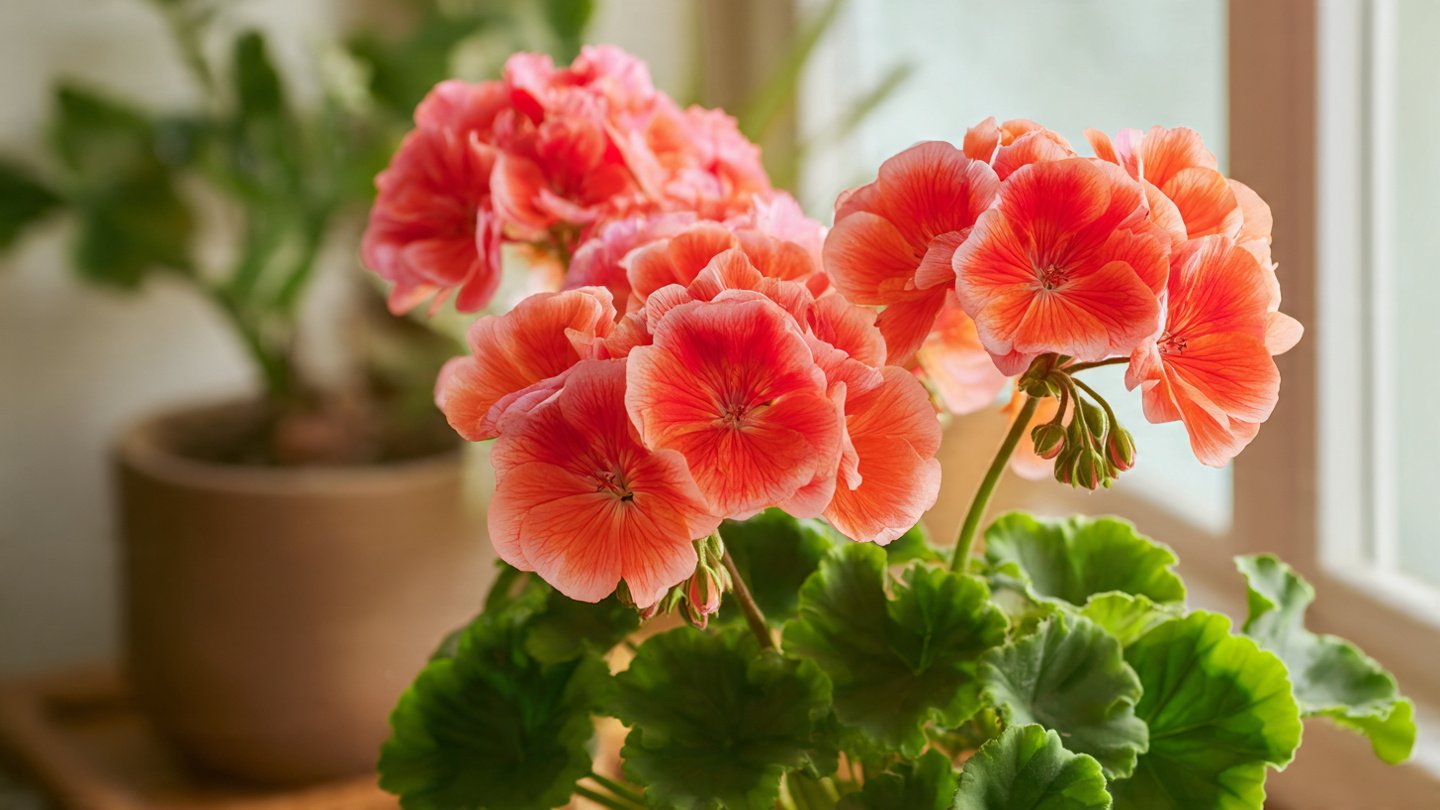
Geraniums are cherished for their vibrant blooms and resilience, making them a popular choice for gardeners of all skill levels. Their versatility allows them to thrive indoors, bringing beauty into homes even in the coldest months. This guide will provide detailed information on growing geraniums indoors effortlessly, covering everything from selecting the right variety to proper care techniques.
Understanding Geraniums
Types of Geraniums
Latest Posts
- A Comprehensive Guide to Successfully Growing Grape Vines in Your Backyard for Beginners and Experts Alike
- Best Tips for Successful Mango Growth in Containers
- Discover the Simple Steps for Successfully Growing Coriander in a Pot
- Discovering the Ultimate Guide to Growing African Violets from Leaf Cuttings
- Simple Techniques for Successfully Growing Seedless Grapes in Home Gardens
- Ultimate Guide to Growing Balsam Plants Naturally for Vibrant Blooms
- Discover the Secrets to Growing Lush Leek Leaves with Simple Hacks for Beginners
- How to Successfully Cultivate Sweet Cherries in the Unique Climate of Canada
- The Ultimate Guide to Successfully Growing Beautiful Succulent Garden Plants at Home
- A Comprehensive Guide to Growing Dhania from Seeds for Beginners
Geraniums are part of the genus Pelargonium, which includes a variety of species. Some popular types include:
-
Zonal Geraniums: These are characterized by their distinct leaf markings and robust growth. They are often grown for their many colorful flowers.
-
Ivy-Leaved Geraniums: These have trailing habits, making them ideal for hanging baskets.
-
Scented Geraniums: Known for their aromatic leaves, these geraniums offer a variety of fragrances, including rose, lemon, and mint.
-
Regal Geraniums: These feature large, frilled flowers and a more compact growth habit.
Why Grow Geraniums Indoors?
Geraniums are not just visually appealing; they also have several benefits:
-
Air Purification: Some studies suggest that geraniums can improve indoor air quality.
-
Mood Booster: The bright flowers can enhance your mood and make your living space more inviting.

-
Low Maintenance: Geraniums do not require extensive care, making them suitable for busy individuals.
Getting Started: Materials Needed
To grow geraniums indoors, you will need:
-
Containers: Choose pots with drainage holes to prevent water accumulation.
-
Potting Mix: A well-draining potting mix is essential. A mix designed for flowering plants is ideal.
-
Watering Can: A watering can with a narrow spout helps avoid overwatering.
-
Fertilizer: Use a balanced fertilizer to encourage growth and flowering.
-
Grow Lights (Optional): If your indoor space lacks sunlight, consider investing in grow lights.
Selecting the Right Location
Choosing the right location for your geraniums is crucial for their growth:
-
Light Requirements: Geraniums require 6-8 hours of direct sunlight daily. A south-facing window is ideal, but you can also use grow lights if natural light is insufficient.
-
Temperature: Geraniums thrive in temperatures between 65°F (18°C) and 75°F (24°C). Avoid placing them near drafty windows or heaters.
-
Humidity: Geraniums prefer a humidity level of around 40-60%. If the air in your home is dry, consider using a humidity tray or a room humidifier.

Planting Geraniums
1. Propagation
You can propagate geraniums through seeds or cuttings:
-
Seeds: Start seeds indoors 10-12 weeks before the last frost. Sow seeds in a seed-starting mix and keep them moist until they germinate.
-
Cuttings: Take cuttings from healthy geranium plants in spring or summer. Place 3-4 inch cuttings in a potting mix and keep them moist until roots develop.
2. Transplanting
If you are starting with small nursery plants:
- Choose containers that are a few inches larger in diameter than the original pots.
- Gently remove the plant, loosening the roots if they’re bound. Place it in the new pot and fill in with potting mix.
3. Watering
After planting, water your geraniums thoroughly to help settle the soil.
Care Tips for Indoor Geraniums
Light
Ensure your geraniums receive adequate light. Rotate the pots every few weeks to encourage even growth.
Watering
Geraniums prefer to dry out slightly between waterings. Stick your finger into the soil; if it feels dry an inch down, it’s time to water. Overwatering can lead to root rot.
Fertilizing
Feed your geraniums with a balanced, water-soluble fertilizer every 4-6 weeks during the growing season (spring and summer). Reduce feeding in fall and winter when the plants enter dormancy.
Pruning
Prune geraniums to encourage bushier growth and to remove spent flowers. This process, known as deadheading, will promote further blooming.
Pests and Diseases
Keep an eye out for common pests such as aphids, spider mites, and whiteflies. Treat infestations promptly using insecticidal soap or neem oil.
Potting Up
If your geraniums begin to outgrow their pots, repot them in a larger container to allow continued growth.
Seasonal Care
Spring
Spring is the perfect time to rejuvenate your geraniums. You can start fertilizing and re-centering their pots.
Summer
During summer, monitor for water needs frequently as they might dry out faster.
Fall
As temperatures drop, gradually reduce watering and stop fertilizing. This helps prepare them for dormancy.
Winter
Geraniums can go through a rest period during the winter months. While they continue to grow, they won’t need as much water or nutrients.
Troubleshooting Common Issues
-
Leaves Turning Yellow: This can indicate overwatering or poor drainage. Confirm that you’re not watering too frequently.
-
Leggy Growth: If geraniums grow tall with sparse leaves, they may not be receiving enough light. Move them to a brighter location.
-
Pests: Regularly check for pests. If found, remove infested leaves and apply insecticidal soap.
-
Lack of Blooms: This may occur if the plants are not receiving adequate light or nutrients. Ensure you are fertilizing regularly.
FAQs About Growing Geraniums Indoors
1. Can geraniums survive indoors all year long?
Yes, geraniums can thrive indoors year-round if they receive adequate light, water, and care.
2. How often should I water my indoor geraniums?

Water your geraniums when the top inch of soil feels dry, usually every 1-2 weeks, depending on your home’s humidity and light conditions.
3. Do geraniums need to be pinched back?
Yes, pinching back can help promote fuller growth and more flowers.
4. How long do geraniums bloom?
Geraniums typically bloom from spring through fall, but with proper care, you may extend their bloom time.
5. Are geraniums toxic to pets?
Geraniums are generally non-toxic to pets, but it’s always wise to prevent them from ingesting any houseplants.
6. Can I grow geraniums from seeds indoors?
Absolutely! Start seeds indoors about 10-12 weeks before the last frost for the best results.
7. Should I use tap water or distilled water for my geraniums?
Using distilled or rainwater is preferable, but if tap water is your only option, let it sit out for 24 hours to allow chlorine to dissipate.
Conclusion
Growing geraniums indoors can bring a burst of color and joy to your living space without demanding excessive time or effort. By following the guidelines set forth in this guide—choosing the right type of geranium, providing adequate light and water, and addressing any issues promptly—you can enjoy the beauty of these beloved flowers year-round. Embrace the joy of indoor gardening, and let your geraniums flourish!