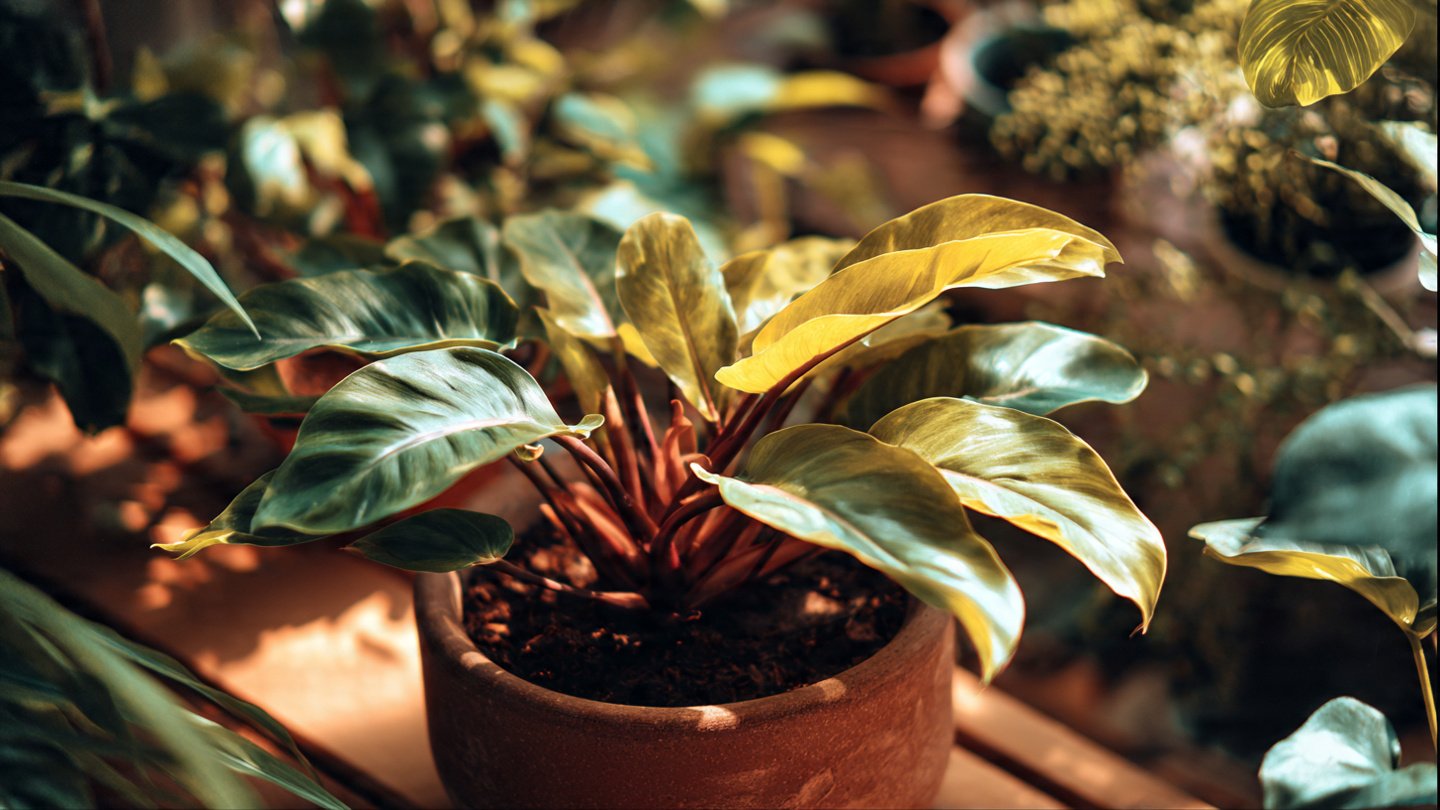
Philodendrons are among the most popular houseplants and garden specimens, renowned for their lush foliage and vibrant aesthetics. With over 400 species, these tropical plants offer versatility and are relatively easy to care for. This guide will explore everything you need to know to grow philodendrons successfully, whether you are a seasoned gardener or a novice looking to beautify your space.
Understanding Philodendron
Philodendrons belong to the Araceae family and are native to Central and South America. These plants are known for their striking leaves, which vary greatly from species to species. Some have large, heart-shaped leaves, while others have elongated, lobed foliage. The choice of philodendron can set the tone for any garden or indoor space, adding elegance and vigor.
Latest Posts
- A Comprehensive Guide to Successfully Growing Grape Vines in Your Backyard for Beginners and Experts Alike
- Best Tips for Successful Mango Growth in Containers
- Discover the Simple Steps for Successfully Growing Coriander in a Pot
- Discovering the Ultimate Guide to Growing African Violets from Leaf Cuttings
- Simple Techniques for Successfully Growing Seedless Grapes in Home Gardens
- Ultimate Guide to Growing Balsam Plants Naturally for Vibrant Blooms
- Discover the Secrets to Growing Lush Leek Leaves with Simple Hacks for Beginners
- How to Successfully Cultivate Sweet Cherries in the Unique Climate of Canada
- The Ultimate Guide to Successfully Growing Beautiful Succulent Garden Plants at Home
- A Comprehensive Guide to Growing Dhania from Seeds for Beginners
Types of Philodendron
-
Philodendron bipinnatifidum (Lacy Tree Philodendron): This variety boasts broad leaves that are deeply lobed. It can grow quite tall, making it ideal for larger spaces.
-
Philodendron hederaceum (Heartleaf Philodendron): Known for its trailing vines, this type is perfect for hanging baskets or as a tabletop plant.
-
Philodendron selloum (Giant Philodendron): Recognizable by its massive leaf size, it’s perfect for creating a tropical vibe.
-
Philodendron gloriosum: This ground-dwelling plant has stunning, velvety leaves with a unique vein pattern, adding texture to any garden.
-
Philodendron ‘Prince of Orange’: A hybrid variety, it showcases orange-tinted leaves when new, transitioning to a deeper green as they mature.
Why Grow Philodendrons?
-
Low Maintenance: Philodendrons are forgiving and can thrive in various environments with minimal care.
-
Air Purification: Known for their ability to filter toxins from the air, these plants can contribute to a healthier indoor environment.
-
Aesthetic Appeal: With their vibrant colors and unique leaf shapes, philodendrons can enhance the beauty of any space, from contemporary interiors to lush gardens.

Getting Started with Philodendron
Choosing the Right Environment
-
Light Requirements:
- Indirect Sunlight: Most philodendrons prefer bright, indirect light. Direct sunlight can scorch their leaves.
- Low Light Tolerance: They can also tolerate poor light conditions, making them ideal for indoor settings.
-
Temperature and Humidity:
- Ideal Temperature: Philodendrons thrive in temperatures between 65°F to 80°F (18°C to 27°C).
- Humidity: They enjoy higher humidity levels. If you live in a dry climate, consider using a humidifier or pebble tray with water.
Soil and Potting
- Soil Type: Use a well-draining potting mix that retains some moisture. A combination of peat, perlite, and orchid bark can create an ideal environment.
- Pot Size: Choose a pot that provides enough room for growth but isn’t too large. A pot that is one size up from the previous one is generally ideal.
Planting Philodendron
- Step 1: Prepare your pot with drainage holes to prevent waterlogging.
- Step 2: Fill the pot with your chosen potting mix, leaving enough space at the top.
- Step 3: Remove the philodendron from its nursery pot gently. Take care not to damage the roots.
- Step 4: Place the plant in the new pot and fill in around the roots with more potting mix. Water thoroughly to help settle the soil.
Care and Maintenance
Watering
Philodendrons prefer a balanced watering schedule. Here’s how to do it:
- Frequency: Water when the top inch of the soil feels dry. Depending on your environment, this may mean watering once a week in the summer and less frequently in winter.
- Signs of Overwatering: Yellowing leaves and mushy roots are indicators of overwatering, while drooping leaves suggest underwatering.
Fertilization
- Type of Fertilizer: Use a balanced liquid fertilizer every 4-6 weeks during the growing season (spring and summer).
- Application: Dilute the fertilizer to half strength to prevent root burn.
Pruning
Pruning is essential to maintain the shape and health of your philodendron:
- When to Prune: Late spring and early summer is the best time for pruning.
- How to Prune: Remove any dead or yellowing leaves, and trim back excessively long vines to encourage bushier growth.
Repotting
- Frequency: Philodendrons will need repotting every couple of years or when they outgrow their current container.
- Signs of Repotting: Roots growing out of the drainage holes or water pooling on the soil’s surface are indicators that it’s time to repot.
Propagation Techniques
Philodendrons are easy to propagate, making them perfect for expanding your collection or sharing with friends.
Stem Cuttings
- Choose a Healthy Stem: Select a healthy stem with a few leaves.
- Cut the Stem: Use clean, sharp scissors to make a cut just below a node.
- Rooting: Place the cutting in water or directly into soil. If using water, change the water weekly, and transplant into soil once roots are a few inches long.
Division
- Remove from Pot: Gently take the plant out of its pot.
- Divide Roots: Carefully separate the roots into two or more sections, ensuring each section has at least a few leaves and roots.
- Replant: Plant each section in its own pot.
Dealing with Pests and Diseases
While philodendrons are generally resilient, they can be susceptible to pests and diseases:
-
Common Pests:
- Spider mites: Look for webbing and small dots on leaves. Treat with insecticidal soap.
- Aphids: Check for clusters on new growth. A strong spray of water can dislodge them.
- Mealybugs: These white fluff balls can be treated with rubbing alcohol.
-
Diseases:
- Root rot can develop from overwatering, causing yellowing leaves and wilting. Ensure proper drainage and allow the soil to dry out between waterings.
Creating a Stunning Garden Aesthetic
Philodendrons can transform your garden into a tropical paradise with their diverse forms and textures. Here are some tips to use philodendrons effectively in your garden design:
1. Focal Points
Use larger varieties like Philodendron selloum as focal points in your garden. Their impressive size and lush foliage can draw the eye and serve as striking centerpieces.
2. Layering
In borders or beds, plant philodendrons alongside smaller, flowering plants to create depth and interest. Consider using contrast with the vibrant colors of flowers against the rich green of philodendron leaves.
3. Vertical Space
Utilize trailing philodendrons like the heartleaf variety in hanging baskets or on trellises. This adds vertical interest and can soften hard landscaping.
4. Grouping
Group different species together to create a lush, tropical look. Mix and match leaf shapes and colors for a dynamic display.
5. Indoor Spaces
Don’t overlook the interior! Larger species can be used in spaces with sufficient light, while smaller trailing varieties can accent bookshelves or window sills.
Frequently Asked Questions (FAQs)
Q1: How often should I water my philodendron?
A: Water your philodendron when the top inch of soil feels dry, usually once a week in warmer months.
Q2: Why are my philodendron leaves turning yellow?

A: Yellowing leaves can indicate overwatering or underwatering. Check the soil moisture and adjust your watering schedule accordingly.
Q3: Can philodendrons grow in low light?
A: Yes, most philodendrons can tolerate low light, but they will grow best with bright, indirect sunlight.
Q4: How can I increase humidity for my philodendron?
A: You can increase humidity by using a humidifier, grouping plants together, or placing a pebble tray with water under your plant pots.
Q5: Can I grow philodendron outdoors?
A: Yes, philodendrons can be grown outdoors in USDA zones 9 to 11, where the climate is consistently warm. They prefer partial shade.
Q6: How long do philodendron plants live?
A: With proper care, philodendrons can live for many years, often exceeding 10 years or more.
Q7: What pests should I watch out for?
A: Common pests include spider mites, aphids, and mealybugs. Regularly inspect your plants and treat infestations promptly.
Conclusion
Growing philodendrons can transform any space into a lush haven of beauty and tranquility. With their diverse forms, stunning foliage, and ease of care, these plants can elevate both indoor and outdoor environments. Whether you choose to create a tropical garden or a cozy indoor nook, philodendrons are sure to impress. By following the guidelines in this ultimate guide, you’ll cultivate thriving plants that enhance your garden aesthetics for years to come.