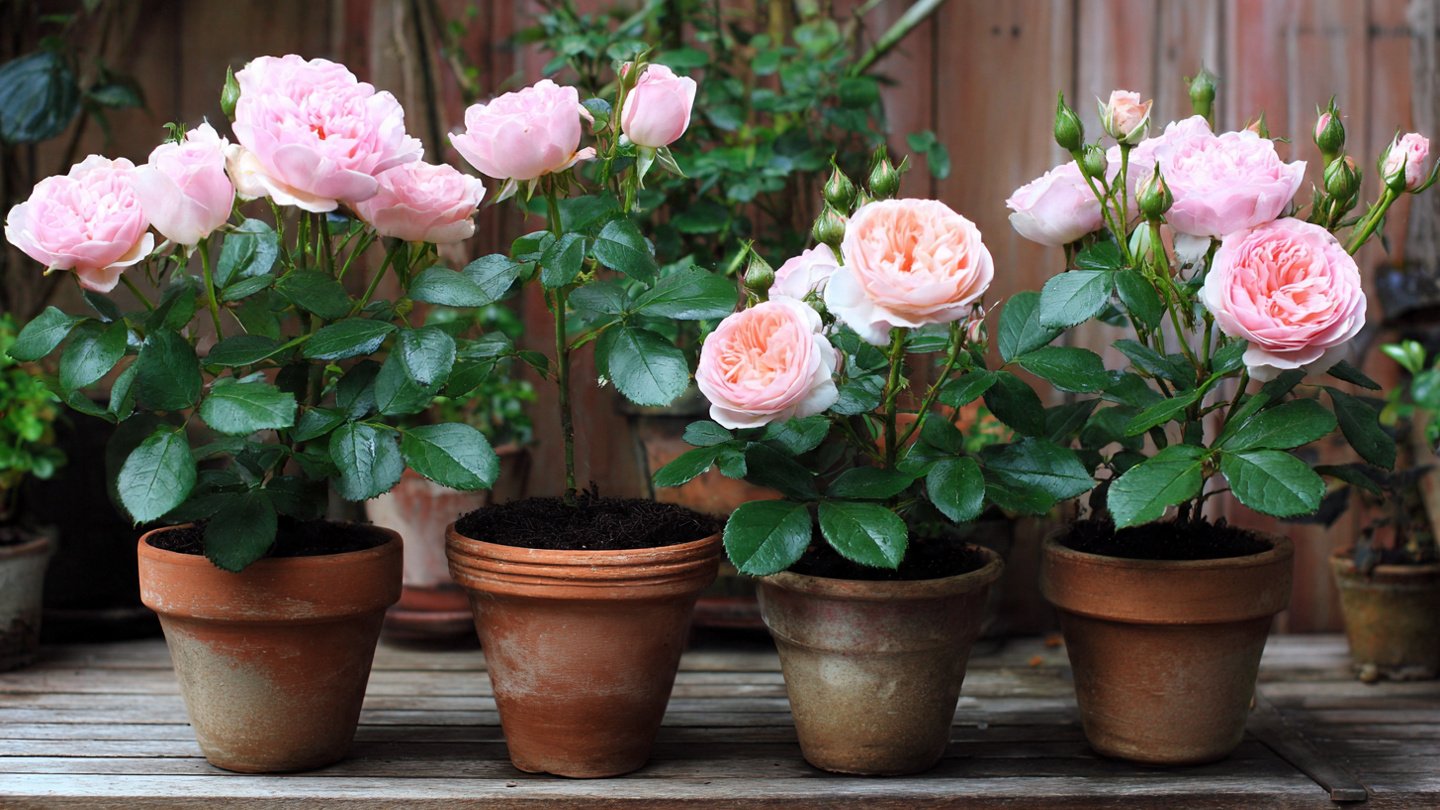
Button roses, often cherished for their compact growth and vibrant blooms, are a delightful choice for both novice and seasoned gardeners. These charming flowers can efficiently transition from garden beds to containers, making them an ideal plant for patio and balcony spaces. This guide will provide you with a comprehensive step-by-step process for successfully growing button roses in pots, taking into account soil, light, watering, and more.
Step 1: Selecting the Right Pot
Materials Needed
Latest Posts
- A Comprehensive Guide to Successfully Growing Grape Vines in Your Backyard for Beginners and Experts Alike
- Best Tips for Successful Mango Growth in Containers
- Discover the Simple Steps for Successfully Growing Coriander in a Pot
- Discovering the Ultimate Guide to Growing African Violets from Leaf Cuttings
- Simple Techniques for Successfully Growing Seedless Grapes in Home Gardens
- Ultimate Guide to Growing Balsam Plants Naturally for Vibrant Blooms
- Discover the Secrets to Growing Lush Leek Leaves with Simple Hacks for Beginners
- How to Successfully Cultivate Sweet Cherries in the Unique Climate of Canada
- The Ultimate Guide to Successfully Growing Beautiful Succulent Garden Plants at Home
- A Comprehensive Guide to Growing Dhania from Seeds for Beginners
- Planter or container (preferably clay or ceramic)
- Drainage holes
- Pot feet (optional)
Choosing the Right Size
Select a pot that’s at least 12 inches in diameter for one button rose. Adequate space is necessary for root development and healthy growth.
Ensuring Proper Drainage
Ensure the pot has enough drainage holes at the bottom. This prevents waterlogging, which can lead to root rot, a common issue with potted plants.
Step 2: Choosing the Right Soil
Soil Type
Use a high-quality potting mix specifically designed for roses or flowering plants. This mix typically retains moisture while allowing excess water to drain away.

Amendments
Consider adding compost or organic fertilizer to enrich the soil and enhance nutrient content. A mix of 3 parts potting soil with 1 part compost is ideal for button roses.
Step 3: Selecting Your Button Rose Variety
Popular Varieties
Look for mini or compact varieties such as ‘Charming Edith,’ ‘Flower Girl,’ or ‘Fuchsia Splash.’ These types are particularly suited for pot cultivation due to their manageable size.
Where to Buy
Purchase roses from a reputable nursery or garden center. Ensure they are healthy, disease-free, and suited to your local climate conditions.
Step 4: Planting Your Button Roses
Timing
The best time to plant button roses is in spring after the last frost or in early fall.
Planting Process
- Prepare the Pot: Fill the pot with your soil mixture, leaving about an inch of space at the top.
- Prepare the Rose: Lightly remove the rose from its nursery pot, being cautious not to damage the roots.
- Plant: Place the rose in the center of your pot. The top of the root ball should be level with the soil line in the pot. Fill in the gaps with potting mix and gently press down.
- Water: Water thoroughly after planting, ensuring the soil is evenly moist but not soggy.

Step 5: Location and Light Requirements
Sunlight
Button roses thrive in full sun. Place your pot in a location where it receives at least 6 to 8 hours of sunlight each day.
Temperature Considerations
Ideal temperatures for button roses range between 60°F to 75°F (15°C to 24°C). Protect your plant in extreme weather conditions, especially in frosty spells.
Step 6: Watering Your Button Roses
Watering Routine
- Initial Watering: After planting, water your button roses deeply to help establish roots.
- Regular Maintenance: Water when the top inch of soil feels dry to the touch. Typically, roses need watering about 1-2 times per week during the growing season.
Avoiding Over-Watering
Ensure that the pot drains well, as button roses are sensitive to over-watering. Yellowing leaves may indicate overwatering, whereas wilting could suggest under-watering.
Step 7: Fertilizing
Type of Fertilizer
Use a balanced, slow-release fertilizer that’s formulated for roses. Alternatively, you can use organic options like fish emulsion or compost tea.

Application Frequency
Fertilize every 4-6 weeks during the growing season (spring and summer) but discontinue fertilizing in late fall, allowing the plant to prepare for dormancy.
Step 8: Pruning and Deadheading
Pruning
Pruning is essential to encourage strong growth and high flower production. Cut back any dead or damaged stems, and trim back the plant to retain its shape.
Deadheading
Remove spent flowers to encourage new blooms. Snip the flower just above the first set of leaves to promote bushy growth.
Step 9: Pest and Disease Management
Common Pests
- Aphids: These small pests can often be controlled with insecticidal soap or neem oil.
- Spider Mites: Check for webbing between leaves and treat with similar methods.
- Black Spot Disease: This fungal disease appears as dark spots on leaves. Remove affected leaves and apply fungicides as needed.
Preventative Measures
Regularly inspect your plants and maintain proper air circulation around them. Ensure they are not crowded, as this can invite pests and diseases.

Step 10: Preparing for Winter
When to Prepare
In cooler climate zones, begin preparations for winter as temperatures start to drop.
Steps
- Watering: Water the plant well before winter to ensure the roots are hydrated.
- Insulating: If your area experiences frost, consider wrapping the pot in burlap or moving it to a more sheltered location.
- Trimming: In late fall, trim back your button roses to about one-third of their size.
FAQ Section
1. How often should I water my button roses?
Water when the top inch of soil is dry, typically once or twice a week, depending on climate conditions.
2. How much sunlight do button roses need?
Button roses thrive in full sun, requiring at least 6 to 8 hours of sunlight each day.
3. Can I grow button roses indoors?
While it’s possible, button roses prefer outdoor conditions. If kept indoors, ensure they receive adequate light and air circulation.

4. What should I do if my button roses are not blooming?
Check for issues like lack of sunlight, inadequate watering, or nutrient deficiency. Adjust care accordingly.
5. How do I prevent pests on my button roses?
Maintain regular inspections, ensure proper care, and consider using organic pest control methods like neem oil or insecticidal soap.
6. Do button roses need to be fertilized?
Yes, they benefit from regular fertilization during the growing season, generally every 4-6 weeks.
7. When should I prune my button roses?
Prune in late winter or early spring before new growth begins, focusing on removing dead or damaged stems.
8. Can button roses survive winter?
In cooler climates, potted button roses should be protected from frost, and it’s advisable to bring them inside or insulate their pots.
Growing button roses in pots can be an incredibly rewarding experience. With proper care, you’ll enjoy an abundance of beautiful blooms. Follow this guide, and your button roses will thrive, adding color and charm to your home. Happy gardening!