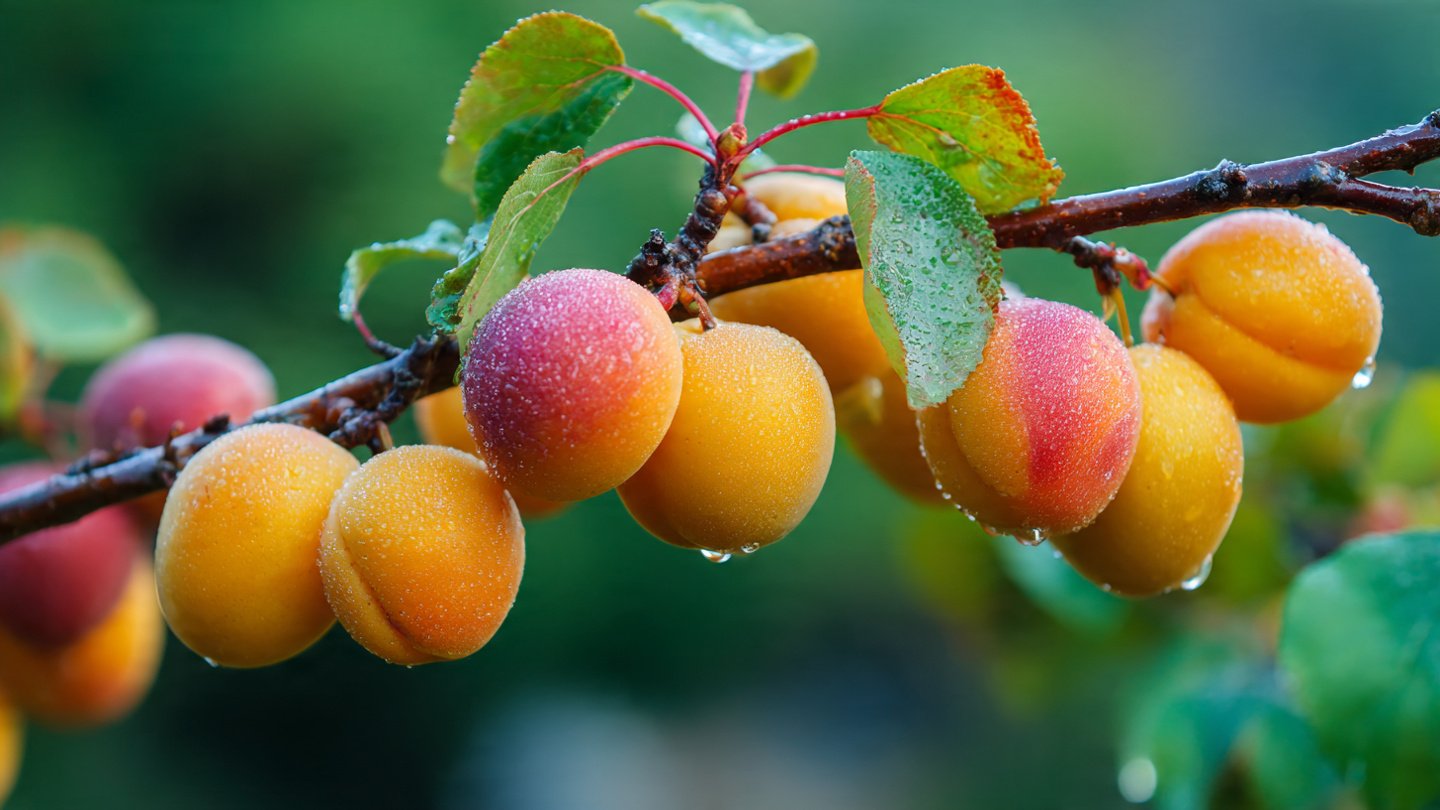
Growing apricot trees in your backyard can be a rewarding and delightful experience. With the right knowledge, you can nurture these beautiful trees from seed to harvest, enjoying the sweet, juicy fruits they provide. This comprehensive guide will cover everything you need to know about growing apricot trees, including planting, care, pest management, and harvesting.
1. Understanding Apricot Trees
1.1. Types of Apricot Trees
Latest Posts
- A Comprehensive Guide to Successfully Growing Grape Vines in Your Backyard for Beginners and Experts Alike
- Best Tips for Successful Mango Growth in Containers
- Discover the Simple Steps for Successfully Growing Coriander in a Pot
- Discovering the Ultimate Guide to Growing African Violets from Leaf Cuttings
- Simple Techniques for Successfully Growing Seedless Grapes in Home Gardens
- Ultimate Guide to Growing Balsam Plants Naturally for Vibrant Blooms
- Discover the Secrets to Growing Lush Leek Leaves with Simple Hacks for Beginners
- How to Successfully Cultivate Sweet Cherries in the Unique Climate of Canada
- The Ultimate Guide to Successfully Growing Beautiful Succulent Garden Plants at Home
- A Comprehensive Guide to Growing Dhania from Seeds for Beginners
There are several varieties of apricot trees, each with unique characteristics. Some popular types include:
- Blenheim: Known for its excellent flavor, this variety thrives in warm climates.
- Tilton: A hardy variety great for colder areas, producing delicious fruits.
- Royal: A self-fruitful variety with a rich flavor.
1.2. Climatic Requirements
Apricot trees prefer a Mediterranean climate. They require:
- Full Sunlight: At least six hours of direct sunlight daily.
- Well-Drained Soil: They thrive in sandy loam or clay soils with good drainage.
- Cold Chilling Hours: Exposure to cold temperatures (around 32°F to 45°F) during winter is essential for blooming.
2. Growing Apricot Trees from Seed

2.1. Collecting Seeds
You can grow apricot trees from seeds, but it’s important to note that the seeds of some apricot varieties may not produce fruit identical to the parent tree. Follow these steps to successfully collect seeds:
- Select Ripe Apricots: Choose fully ripe apricots from healthy trees.
- Remove the Pit: Cut the fruit in half and extract the pit.
- Clean the Seeds: Rinse the pits to remove any remaining fruit flesh.
2.2. Stratifying Seeds
Apricot seeds require stratification (a cold treatment) to germinate. This process mimics winter conditions:
- Soak the Seeds: Soak seeds in water for 24 hours.
- Cold Stratification: Place the seeds in a damp paper towel, store them in a plastic bag, and refrigerate for about 6 to 8 weeks.
2.3. Planting Seeds
Once stratified, it’s time to plant the seeds:
- Choose the Right Time: Plant seeds in late winter or early spring.
- Prepare the Soil: Ensure the soil is well-drained and enriched with organic matter.
- Planting Depth: Plant seeds 2 inches deep, spacing them about 10 feet apart.
- Watering: Water thoroughly after planting.
3. Caring for Apricot Trees
3.1. Watering
- Frequency: Water young trees frequently. Once established, apricot trees need deep watering every two to four weeks.
- Soil Moisture: Ensure the top soil layer is dry before watering.
3.2. Fertilizing
Fertilizing helps provide essential nutrients:
- Initial Fertilization: Use a balanced fertilizer (10-10-10) in early spring.
- Organic Options: Consider well-rotted compost or manure.
3.3. Pruning
Pruning is crucial for maintaining tree health and productivity:
- When to Prune: Late winter or early spring before new growth begins.
- How to Prune: Remove dead, damaged, or crossing branches. Shape the tree to allow sunlight penetration.

3.4. Mulching
Apply a layer of mulch around the base of the tree to retain moisture and suppress weeds. Organic mulches like wood chips are ideal.
4. Pest Management
4.1. Common Pests
Apricot trees can attract various pests:
- Aphids: These small insects suck sap and can be controlled with insecticidal soap.
- Spider Mites: Spray with a strong jet of water to mitigate their effects.
- Fruit Flies: Use traps or remove overripe fruits promptly.
4.2. Diseases
Be aware of common diseases that can affect apricot trees:
- Brown Rot: This fungal disease can be prevented by ensuring good air circulation and maintaining proper humidity levels.
- Bacterial Canker: Treat with copper fungicide if discovered early.
5. Harvesting Apricots
5.1. Signs of Ripeness

Knowing when to harvest is key:
- Color Change: Apricots turn from green to yellow or orange when ripe.
- Flesh Feel: They should yield slightly when gently squeezed.
- Fragrance: Ripe apricots have a sweet aroma.
5.2. Harvesting Techniques
- Gentle Handling: Carefully twist or cut the fruit from the branch to avoid bruising.
- Timing: Harvest in the morning or late afternoon when temperatures are cooler.
6. FAQs About Growing Apricot Trees
Q1: How long does it take for apricot seeds to germinate?
It typically takes about 2 to 3 weeks for apricot seeds to germinate after planting, depending on the conditions.
Q2: Can I grow apricots in a container?
Yes! Dwarf varieties of apricot trees are suitable for container gardening. Ensure the container is large enough and has good drainage.
Q3: How do I protect my apricot trees from frost?
Cover young trees with burlap or frost cloth during frost events. Consider using heat lamps or developing windbreaks to protect them from cold winds.

Q4: What is the best time to plant apricot trees?
The best time to plant apricot trees is in early spring after the last frost or late winter for seed planting.
Q5: How often should I prune apricot trees?
Prune apricot trees annually during the dormant season to maintain shape and remove any dead or diseased wood.
Q6: Can I grow apricot trees in a colder climate?
Yes, but choose cold-hardy varieties like Tilton. Ensure they receive adequate chilling hours during winter.
Q7: How do I know if my apricot tree is self-pollinating?
Some apricot varieties are self-pollinating, while others require cross-pollination. Check the specific variety you’re planting for pollination requirements.
Conclusion
Growing apricot trees in your backyard can be an enjoyable and fruitful endeavor. With careful planning and attention to detail, you can cultivate healthy trees that yield delicious fruits for years to come. Be sure to provide the right environment, consistent care, and protection from pests and diseases. Before long, you will be harvesting your sweet apricots and enjoying them fresh or in your favorite recipes. Happy planting!