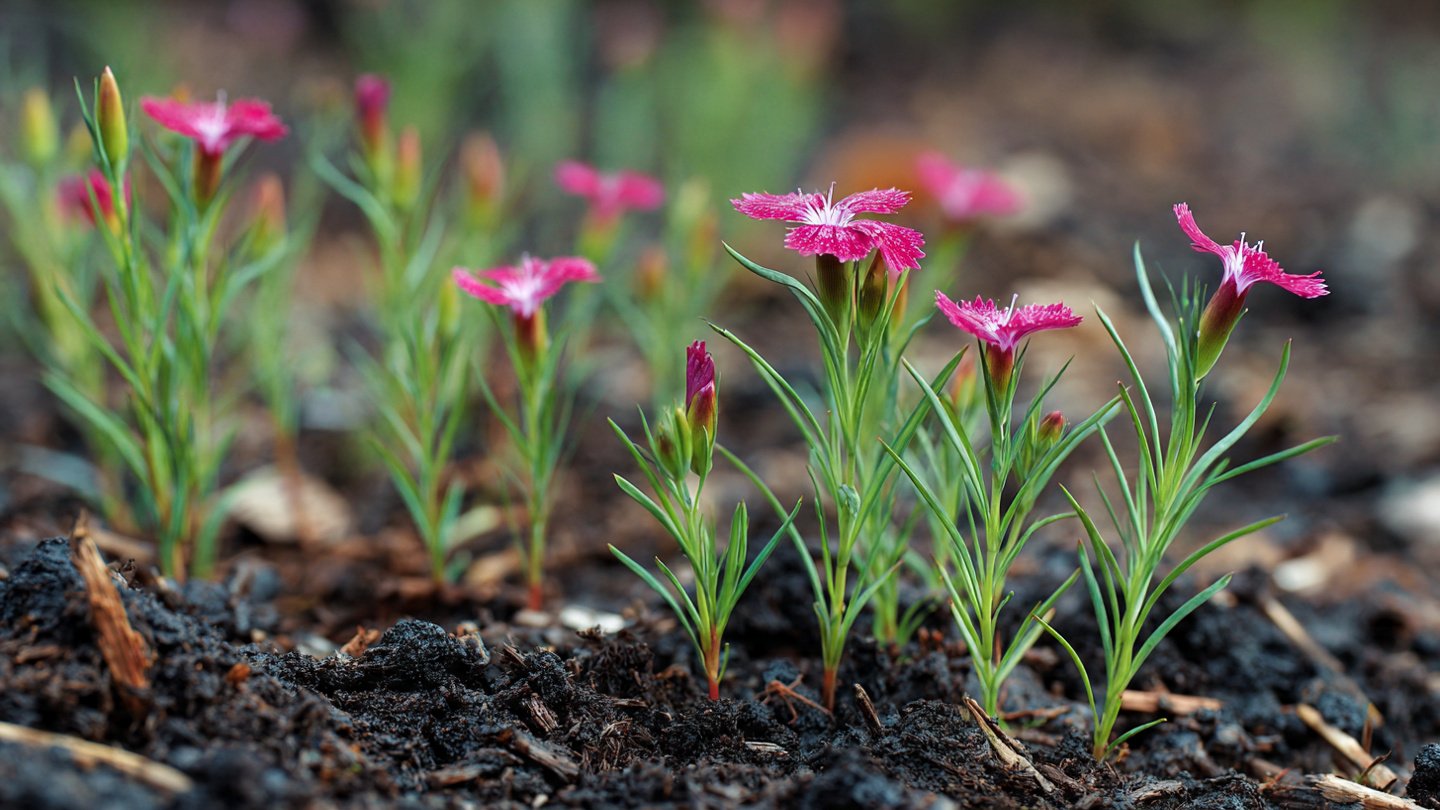
Dianthus, often referred to as “pinks” due to the serrated edges of their petals, are a charming addition to any garden. These perennial and annual plants are celebrated for their delightful fragrance and colorful blooms, making them popular choices among gardeners. Growing Dianthus from seeds is a rewarding endeavor that can enhance your garden’s beauty dramatically. This comprehensive guide will walk you through the steps to successfully cultivate Dianthus from seeds, including tips, care advice, and a FAQs section to address common queries.
Understanding Dianthus
Dianthus belongs to the Caryophyllaceae family and consists of around 300 species. They are native to Europe and Asia, and their adaptability allows them to thrive in a variety of climates. The flowers are available in an array of colors, from classic pinks and whites to vibrant reds and purples. Some popular varieties include:
Latest Posts
- A Comprehensive Guide to Successfully Growing Grape Vines in Your Backyard for Beginners and Experts Alike
- Best Tips for Successful Mango Growth in Containers
- Discover the Simple Steps for Successfully Growing Coriander in a Pot
- Discovering the Ultimate Guide to Growing African Violets from Leaf Cuttings
- Simple Techniques for Successfully Growing Seedless Grapes in Home Gardens
- Ultimate Guide to Growing Balsam Plants Naturally for Vibrant Blooms
- Discover the Secrets to Growing Lush Leek Leaves with Simple Hacks for Beginners
- How to Successfully Cultivate Sweet Cherries in the Unique Climate of Canada
- The Ultimate Guide to Successfully Growing Beautiful Succulent Garden Plants at Home
- A Comprehensive Guide to Growing Dhania from Seeds for Beginners
- Dianthus chinensis (China Pink): Known for its bright colors and sweet fragrance.
- Dianthus barbatus (Sweet William): Larger flowers that bloom in clusters.
- Dianthus gratianopolitanus (Cheddar Pink): A ground cover variety that’s perfect for rock gardens.
Choosing Seeds
When selecting Dianthus seeds, consider the following factors:
- Variety: Select a variety suited to your climate and garden design.
- Disease Resistance: Look for seeds labeled as disease-resistant to ensure a healthier garden.
- Seed Quality: Purchase seeds from reputable suppliers to guarantee viability and ease of growth.
Preparing for Planting

Timing
The ideal time to sow Dianthus seeds depends on whether you’re starting indoors or outdoors:
- Indoors: Start seeds 6-8 weeks before the last frost date in your area.
- Outdoors: Direct sow after the last frost when soil temperatures reach 65°F to 70°F (18°C to 21°C).
Soil Requirements
Dianthus thrives in well-draining soil that is slightly alkaline to neutral (pH 6.0 to 7.0). The following steps can help you ensure optimal soil conditions:
- Amend the Soil: Mix in compost or well-rotted manure to enrich the soil.
- Drainage: Ensure good drainage by adding sand or perlite if your soil is heavy.
Containers
If starting seeds indoors, you’ll need seedling trays or small pots. Ensure they have drainage holes to prevent waterlogging.
Sowing the Seeds
Indoor Sowing
- Fill Containers: Fill your seed trays or pots with moistened seed-starting mix.
- Sow Seeds: Sprinkle the seeds on top of the soil, spacing them about an inch apart. Lightly press them into the soil without covering them completely, as they require light to germinate.
- Watering: Use a spray bottle to gently mist the soil, keeping it consistently moist but not soggy.
- Cover: Place plastic wrap or a humidity dome over the containers to retain moisture until germination.

Outdoor Sowing
- Prepare the Bed: Create a level seed bed with fine soil.
- Sow Seeds: Scatter the seeds evenly over the soil and lightly rake them in. Resist the urge to bury them deeply; a light dusting of soil is sufficient.
- Water: Gently water the area to moisten the soil without disturbing the seeds.
Germination and Seedling Care
Germination Period
Dianthus seeds typically germinate within 7 to 14 days, depending on the temperature and moisture levels. Warm, consistent temperatures promote faster germination.
Seedling Care
- Light: If started indoors, provide bright, indirect light using grow lights or a sunny window. Seedlings require about 12-16 hours of light daily.
- Temperature: Maintain a temperature of 65°F to 70°F (18°C to 21°C) for optimum growth.
- Watering: Keep the soil consistently moist, but ensure it never becomes waterlogged. Overwatering can lead to damping-off disease, which is a common seedling killer.

Transplanting
When to Transplant
Once seedlings develop two sets of true leaves and are about 2-3 inches tall, they are ready to be hardened off and transplanted:
- Hardening Off: Gradually acclimate seedlings to outdoor conditions by placing them outside for a few hours each day over a week.
- Transplanting: Choose a cloudy day to transplant them into the garden or larger pots to reduce transplant shock. Space transplants about 12-18 inches apart, depending on the variety.
Caring for Dianthus
Watering
Dianthus plants prefer to dry out slightly between waterings, so ensure they are not overwatered. Water deeply but infrequently to encourage deep root growth.
Fertilizing
Using a balanced, slow-release fertilizer in spring will support healthy growth and blooming. Avoid over-fertilization, as excessive nitrogen can produce lush foliage at the expense of flower production.
Pruning and Deadheading
Regularly deadhead spent blooms to encourage more flowering and maintain plant vigor. Prune back leggy growth in early spring to promote bushier growth.
Pest and Disease Management

Dianthus plants are relatively resilient but can face some challenges:
- Pests: Watch for aphids, thrips, and spider mites. Treat infestations with insecticidal soap or neem oil.
- Diseases: Prevent diseases by ensuring good air circulation and avoiding overhead watering. Watch for signs of powdery mildew and root rot.
Harvesting Seeds
If you wish to collect seeds for future planting, allow the flowers to fade and form seed pods. Once the pods turn brown and dry, collect them and store them in a cool, dry place.
FAQs
1. How long does it take for Dianthus seeds to germinate?
Dianthus seeds typically germinate in 7 to 14 days under optimal conditions.
2. Can Dianthus be grown in pots?
Yes, Dianthus can be successfully grown in pots as long as the container has proper drainage and is filled with quality potting soil.
3. What is the best time to plant Dianthus seeds outdoors?
Dianthus seeds can be sown outdoors after the last frost dates when the soil temperature reaches between 65°F to 70°F (18°C to 21°C).

4. Do Dianthus plants need full sun?
Dianthus prefers full sun but can tolerate partial shade. Ideally, they should receive at least 6 hours of sunlight each day.
5. Are Dianthus deer-resistant?
Yes, many gardeners find that Dianthus is relatively deer-resistant due to their aromatic foliage. However, no plant is entirely deer-proof.
6. How often should I water my Dianthus plants?
Water your Dianthus plants when the top inch of soil feels dry. They prefer to dry out slightly between waterings to prevent root rot.
7. Can I save Dianthus seeds for the next planting season?
Yes, you can collect seeds from mature flower pods and store them in a cool, dry place for next season’s planting.
8. How can I encourage more blooming in Dianthus?
Regular deadheading of spent flowers and ensuring adequate nutrition through fertilization can promote extended blooming.
Conclusion
Growing Dianthus from seeds is a fulfilling gardening project that rewards you with stunning flowers and delightful fragrances. With their ease of care and versatility, Dianthus can brighten up any garden, patio, or balcony. By following the guidelines outlined in this article, along with practicing patience and attention to detail, you’ll enjoy a flourishing Dianthus garden that brings joy and beauty for seasons to come. Happy gardening!