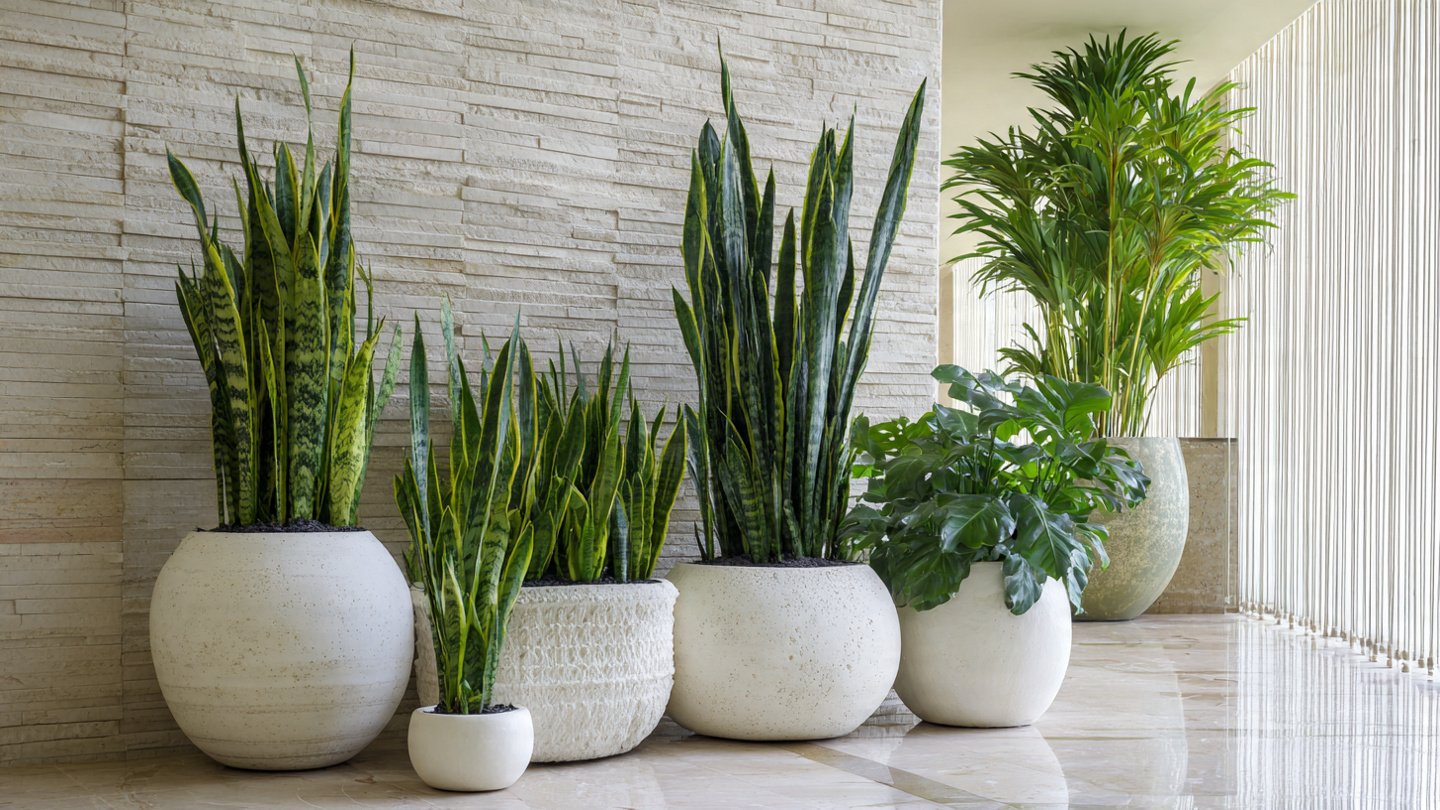
Snake plants, also known as Sansevieria or mother-in-law’s tongue, are among the most popular houseplants and landscape choices due to their striking appearance and low maintenance. This hardy plant not only purifies the indoor air but also adds an elegant touch to any decor, making it a great choice for both residential and commercial spaces. This article will cover how to grow snake plants, their care guidelines, and stunning landscape decor ideas, followed by a FAQ section to answer common queries.
Understanding Snake Plants
Characteristics of Snake Plants
Latest Posts
- A Comprehensive Guide to Successfully Growing Grape Vines in Your Backyard for Beginners and Experts Alike
- Best Tips for Successful Mango Growth in Containers
- Discover the Simple Steps for Successfully Growing Coriander in a Pot
- Discovering the Ultimate Guide to Growing African Violets from Leaf Cuttings
- Simple Techniques for Successfully Growing Seedless Grapes in Home Gardens
- Ultimate Guide to Growing Balsam Plants Naturally for Vibrant Blooms
- Discover the Secrets to Growing Lush Leek Leaves with Simple Hacks for Beginners
- How to Successfully Cultivate Sweet Cherries in the Unique Climate of Canada
- The Ultimate Guide to Successfully Growing Beautiful Succulent Garden Plants at Home
- A Comprehensive Guide to Growing Dhania from Seeds for Beginners
The snake plant features long, upright leaves that can grow between 1 to 8 feet tall, depending on the variety. Its leaves are typically green with varying patterns of yellow or silver stripes, adding visual interest to your decor. Snake plants are succulent, which means they store water in their leaves, enabling them to withstand drought conditions.
Varieties of Snake Plants
- Sansevieria trifasciata: The most common variety, known for its tall, upright leaves with dark green and lighter banding.
- Sansevieria cylindrica: Features round, cylindrical leaves that can grow up to 3 feet tall.
- Sansevieria laurentii: Recognized by its variegated edges, it brings a striking contrast to any arrangement.
- Sansevieria moonshine: With silvery-green leaves, this variety adds a modern touch to landscapes.
Growing Snake Plants
1. Location Selection
Snake plants thrive in a range of lighting conditions, making them highly versatile. Here are some ideal locations:
- Indoor Spaces: Place them near windows that receive indirect sunlight or in darker corners since they can survive low-light conditions.
- Outdoor Spaces: If planting outdoors, ensure they are sheltered from direct afternoon sun, especially in hotter climates.

2. Soil Requirements
A well-draining soil mix is crucial for snake plants to prevent root rot. Here are considerations for soil:
- Cactus Mix: A commercial cactus mix works well due to its excellent drainage properties.
- DIY Mix: Combine equal parts of potting soil, sand, and perlite for a custom soil blend.
3. Planting
Pot Selection: Use pots with drainage holes to help wick away excess water.
How to Plant:
- Fill the pot with soil mixture, leaving enough space for the roots.
- Gently place the snake plant in the pot, ensuring the roots are spread out.
- Cover the roots with soil, pressing it down lightly.
- Water thoroughly but allow the soil to dry out before the next watering.

4. Watering
Snake plants are drought-tolerant and prefer to be on the drier side.
- Watering Schedule: Water every 2-3 weeks. Adjust based on humidity levels and season; less often in winter.
- Signs of Overwatering: Yellowing leaves and mushy roots indicate excess moisture.
5. Fertilizing
While snake plants do not require much fertilizer, adding nutrients can promote healthier growth.
- Type: Use a balanced, water-soluble fertilizer diluted to half strength during the growing season (spring and summer).
- Frequency: Fertilize every 4-6 weeks, stopping in the winter months.
6. Temperature and Humidity
Snake plants prefer temperatures between 60°F to 80°F (15°C to 27°C). They can tolerate lower temperatures but need to be brought indoors when conditions drop below 50°F (10°C). Humidity levels are flexible as they adapt well to both dry and humid environments.
7. Pruning and Maintenance
To keep your snake plant healthy:

- Removing Dead Leaves: Cut any dead or damaged leaves at the base using clean scissors.
- Repotting: Every 2-3 years, repot to refresh the soil and provide additional space for growth.
Stunning Landscape Decor Ideas
1. Outdoor Garden Borders
Planting snake plants in rows can create an eye-catching border in a garden. Their vertical growth adds height and structure, complementing flowers and shrubs.
2. Indoor Accent Pieces
Use snake plants in decorative pots as standalone pieces in entryways, living rooms, or offices. Their architectural shape lends a modern appeal.
3. Vertical Gardens
Incorporate snake plants in a vertical garden setup. This not only saves space but creates a lush green wall that serves as a unique focal point.
4. Container Arrangements
Combine snake plants with other succulents or flowering plants in containers. Their sculptural form contrasts beautifully with the softer textures of blooming plants.
5. Zen Gardens
Create a minimalist zen garden by using snake plants among rocks and gravel. This creates a calming atmosphere, perfect for relaxation.

6. Mixed Planter Displays
Mix snake plants with spider plants, pothos, or other houseplants in a large planter for a vibrant, lush look. Their varying heights and textures create a dynamic arrangement.
7. Outdoor Patios
In outdoor gatherings, use snake plants alongside seating areas. They offer a fresh, inviting ambiance while enhancing the natural atmosphere.
Conclusion
Growing snake plants is not only easy but rewarding. With their stunning appearance and low maintenance, they serve as an excellent choice for various landscape decor ideas. Whether indoors or outdoors, snake plants can adapt to different environments while enhancing your decor with their unique appeal.
FAQs
1. Are snake plants toxic to pets?
Yes, snake plants are mildly toxic to pets if ingested. It’s best to keep them out of reach if you have cats or dogs.
2. How often should I water my snake plant?
Water your snake plant every 2-3 weeks, allowing the soil to dry completely between waterings.

3. Can snake plants grow in low light?
Yes, snake plants can thrive in low-light conditions, making them ideal for indoor spaces.
4. What is the best way to propagate snake plants?
You can propagate snake plants through leaf cuttings or division. For leaf cuttings, cut a healthy leaf into sections and allow them to callous before planting in soil.
5. How do I know if my snake plant needs more light?
If your snake plant’s leaves become long and leggy, it might indicate a lack of light and may need to be moved to a brighter location.
6. Can I keep snake plants outdoors all year round?
In many regions, snake plants can tolerate outdoor conditions but should be brought indoors if temperatures dip below 50°F (10°C).
7. What are common pests that affect snake plants?
Spider mites and mealybugs are common pests. Regularly inspect leaves and treat infestations with insecticidal soap if necessary.
By understanding how to cultivate and care for snake plants, you can create beautiful, lush landscapes that enhance your indoor and outdoor spaces with minimal effort. Whether used in isolation or combined with other plants, snake plants are sure to impress with their architectural beauty and resilience.