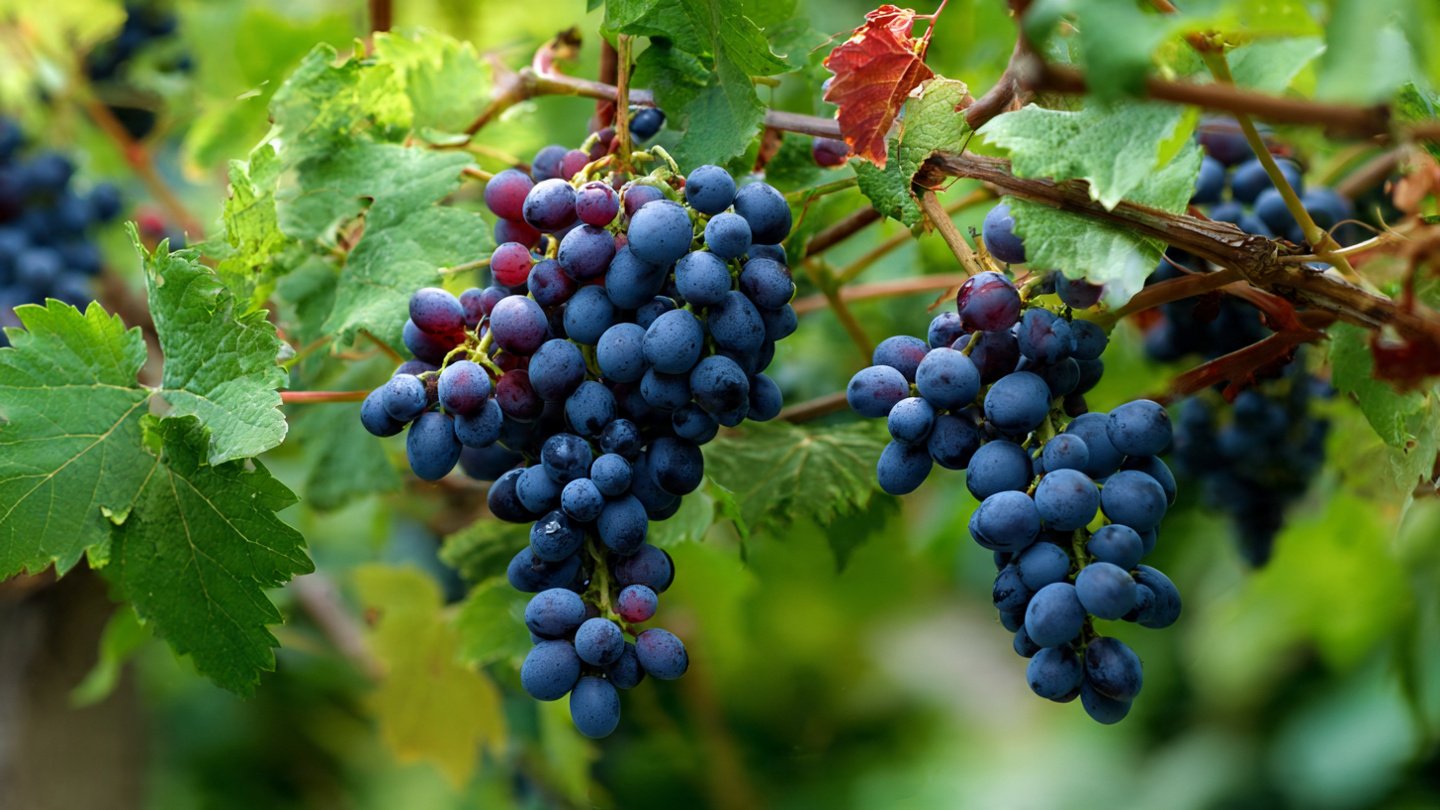
Growing grapes can be a rewarding and enjoyable endeavor, especially if you choose cold hardy varieties that can thrive in less-than-ideal weather conditions. Cold hardy grapes are designed to withstand harsh winters, making them an excellent choice for home gardeners in northern climates. In this article, we’ll discuss the best practices for cultivating these resilient vines in your backyard, ensuring a fruitful harvest every year.
Understanding Cold Hardy Grapes
What Are Cold Hardy Grapes?
Latest Posts
- A Comprehensive Guide to Successfully Growing Grape Vines in Your Backyard for Beginners and Experts Alike
- Best Tips for Successful Mango Growth in Containers
- Discover the Simple Steps for Successfully Growing Coriander in a Pot
- Discovering the Ultimate Guide to Growing African Violets from Leaf Cuttings
- Simple Techniques for Successfully Growing Seedless Grapes in Home Gardens
- Ultimate Guide to Growing Balsam Plants Naturally for Vibrant Blooms
- Discover the Secrets to Growing Lush Leek Leaves with Simple Hacks for Beginners
- How to Successfully Cultivate Sweet Cherries in the Unique Climate of Canada
- The Ultimate Guide to Successfully Growing Beautiful Succulent Garden Plants at Home
- A Comprehensive Guide to Growing Dhania from Seeds for Beginners
Cold hardy grapes are varieties that can survive and produce fruit in colder climates, often down to USDA Hardiness Zones 3-5. These grapes have developed adaptations over generations to withstand freezing temperatures, making them ideal for regions that experience harsh winters.
Popular Cold Hardy Varieties
- Marquette: A hybrid grape known for its disease resistance and ability to produce quality red wines.
- La Crescent: A white grape that thrives in cold climates, yielding fruity wines with aromatic qualities.
- Frontenac: A versatile grape that produces both red and rosé wines, known for its robust flavors.
- Petite Pearl: A relatively new variety that is particularly resistant to cold and produces flavorful wines.
Site Selection and Preparation
Choosing the Right Location
To successfully grow grapes, selecting the right site is crucial:
- Sunlight: Grapes require full sun, so choose a location that gets at least 6-8 hours of direct sunlight daily.
- Drainage: Ensure the site has well-draining soil. Grapes do not tolerate standing water.
- Shelter: Look for a location that is sheltered from strong winds, which can damage young vines.
Soil Preparation
-
Testing Soil: Conduct a soil test to check pH levels. Grapes prefer slightly acidic to neutral soil (pH 6-7).
-
Amending Soil: Based on the test results, you may need to amend your soil:
- Add compost to improve fertility.
- Use sulfur or lime to adjust pH levels.
-
Tilling: Till the soil to a depth of at least 12 inches to incorporate amendments and improve aeration.
Planting Cold Hardy Grapes
Timing
The best time to plant grapevines is in early spring after the last frost. If you’re planting bare-root vines, ensure they are kept moist until they are ready to be placed in the ground.
Planting Process
- Digging Holes: Prepare holes that are approximately 2-3 feet apart and deep enough to accommodate the root system.
- Placing the Vines: Position the vine with the graft union just above soil level. This is crucial for the health and development of the plant.
- Filling Holes: Backfill the hole with soil, gently patting it down to eliminate air pockets.
- Watering: Water the newly planted vines thoroughly to help establish roots.
Care and Maintenance
Watering and Fertilization
- Irrigation: Keep the soil consistently moist but not soggy, especially during the first year. Drip irrigation is ideal for maintaining moisture without waterlogging the roots.
- Fertilizing: Apply a balanced fertilizer in early spring. Monitor your vines and adjust fertilization based on their growth and soil nutrient levels.
Pruning
Pruning is essential for healthy growth and maximizing fruit production:
- When to Prune: The best time to prune is in late winter or early spring while the vines are still dormant.
- How to Prune: Focus on removing dead, diseased, or crossing branches. Aim for an open canopy to maximize sunlight exposure.
Training
Training your grapes helps manage growth and maximize sunlight exposure:
- Trellising: Use a trellis system to support your vines. This encourages upward growth and promotes better air circulation.
- Training Techniques: Common methods include the Guyot, double curtain, and fan training systems, depending on your space and aesthetic preference.
Pest and Disease Management
Common Pests
- Japanese Beetles: Monitor for these pests and remove them manually or use insecticidal soap if necessary.
- Spider Mites: Use horticultural oils or insecticidal soap to control infestations.
Diseases to Watch
Cold hardy grapes are typically more resistant to diseases, but you should still be vigilant:
- Powdery Mildew: This fungal disease can be managed through proper air circulation and by applying fungicides if necessary.
- Botrytis Blight: Remove any damaged fruit and manage canopy growth to reduce humidity levels around the grapes.
Organic Solutions
Utilizing organic methods helps protect both the grapes and the environment:
- Neem Oil: Effective against a variety of pests and diseases.
- Diatomaceous Earth: This natural powder can deter pests when sprinkled around the base of plants.
Preparing for Winter
Insulation
Cold hardy grapes require protection during winter months:
- Mulching: Apply a thick layer of mulch around the base of the vines to retain moisture and insulate roots from freezing temperatures.
- Covering Vines: Use burlap or other breathable materials to wrap young vines, especially in extreme climates.
Pruning for Winter
Before winter sets in, ensure that you have pruned your grapes properly. This helps reduce damage from snow and ice.
Harvesting
When to Harvest
Grapes are typically ready for harvest in late summer to early fall:
- Monitor sugar levels in the grapes. A high sugar level indicates they are ripe for picking.
- Taste testing is critical; the grapes should be sweet and have developed their characteristic flavors.
How to Harvest
- Use clean scissors or shears to cut clusters of grapes.
- Handle gently to avoid crushing the fruit.
FAQs
1. Can I grow cold hardy grapes in pots?
Yes, many cold hardy grapes can be grown in containers, provided you choose a large enough pot (at least 5 gallons) and ensure proper drainage.
2. How long does it take for grapes to produce fruit?
Typically, grapes will start producing fruit in their second or third year after planting, depending on the variety and growing conditions.
3. Do I need to prune my grapevines every year?
Yes, annual pruning is essential for maintaining good vine health, encouraging fruit production, and improving air circulation.
4. Are there any natural fertilizers I can use for grapes?
Yes! Organic fertilizers like compost, aged manure, and fish emulsion are great choices to provide essential nutrients without harsh chemicals.
5. What should I do if my grapes are not ripening?
If your grapes are slow to ripen, ensure they receive enough sunlight; consider lighting adjustments or relocating them. Additionally, make sure your soil is well-drained but retains moisture, as stressed plants may not produce quality fruits.
Conclusion
Successfully growing cold hardy grapes in your backyard is entirely possible with careful planning, the right varieties, and diligent maintenance. By following the tips outlined in this article, you can enjoy a fruitful harvest year after year. With patience and dedication, your backyard vineyard can become a beautiful and productive addition to your home. Happy gardening!