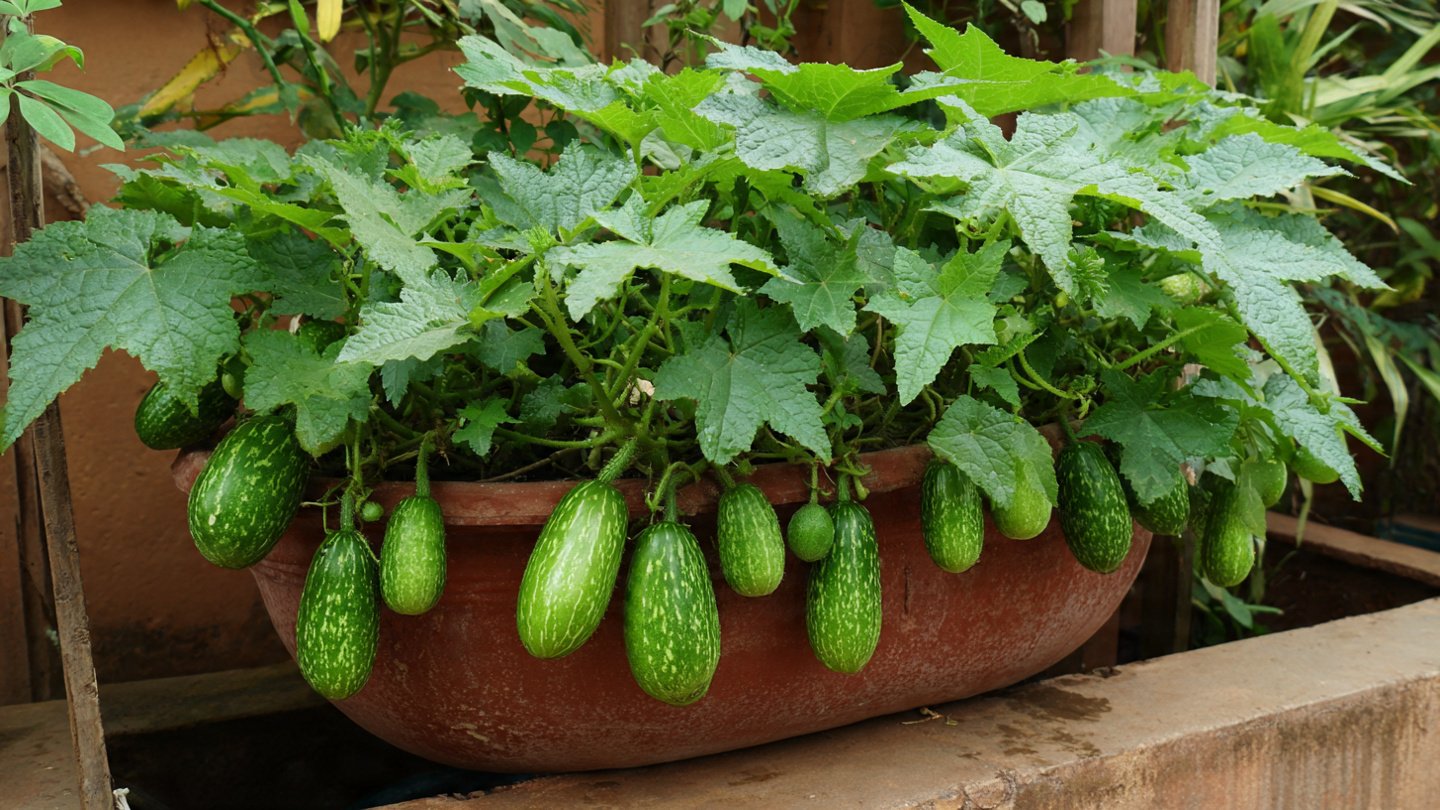
Growing lauki, also known as bottle gourd or calabash, can be an exciting addition to your home gardening pursuits. This versatile vegetable is not only nutritious but also easy to grow, even in limited spaces. This guide aims to provide you with a step-by-step process for growing lauki in pots at home along with care tips, benefits, and a frequently asked questions (FAQs) section.
What is Lauki?
Lauki (Lagenaria siceraria) is a popular vegetable in many cuisines worldwide, especially in Asian cooking. It is rich in vitamins and minerals, low in calories, and has a high water content, making it an excellent food for hydration and wellness. Additionally, lauki is known for its digestive properties and can be used in a variety of dishes, from soups to desserts.
Latest Posts
- A Comprehensive Guide to Successfully Growing Grape Vines in Your Backyard for Beginners and Experts Alike
- Best Tips for Successful Mango Growth in Containers
- Discover the Simple Steps for Successfully Growing Coriander in a Pot
- Discovering the Ultimate Guide to Growing African Violets from Leaf Cuttings
- Simple Techniques for Successfully Growing Seedless Grapes in Home Gardens
- Ultimate Guide to Growing Balsam Plants Naturally for Vibrant Blooms
- Discover the Secrets to Growing Lush Leek Leaves with Simple Hacks for Beginners
- How to Successfully Cultivate Sweet Cherries in the Unique Climate of Canada
- The Ultimate Guide to Successfully Growing Beautiful Succulent Garden Plants at Home
- A Comprehensive Guide to Growing Dhania from Seeds for Beginners
Why Grow Lauki in Pots?
-
Space Efficient: If you’re short on ground space, growing in pots allows you to cultivate delicious vegetables on balconies, terraces, or even windowsills.
-
Control Over Conditions: Growing in pots allows you to better control soil, moisture, and sunlight conditions.
-
Pest Management: Container gardening can help you mitigate pest issues since you can easily move the pots or use organic pest control methods.
-
Accessibility: Potted plants are easier to tend to, particularly for individuals with mobility issues.
Step-by-Step Guide for Growing Lauki in Pots
Step 1: Choose the Right Pot
-
Size: Opt for a pot that is at least 12-16 inches deep and wide. Larger pots provide more room for roots to spread and retain moisture.
-
Material: Use terracotta, plastic, or ceramic pots with drainage holes at the bottom to prevent waterlogging.

Step 2: Select Quality Seeds
- Purchase lauki seeds from a reputable nursery or garden store. Choose seeds that are plump and free from any signs of damage or pests.
Step 3: Prepare the Soil
-
Soil Mix: Create a well-draining soil mix. A ratio of 2:1:1 of garden soil, compost, and sand works well. This mix offers nutrients while ensuring proper drainage.
-
Nutrient Addition: You can add organic matter such as well-rotted manure or compost to enhance the nutrient content of your soil.
Step 4: Sow the Seeds
-
Sowing Depth: Plant 2-3 seeds per pot, burying them about 1 inch deep into the soil.
-
Spacing: If you have multiple pots, maintain a distance of at least 2-3 feet between pots to allow for proper air circulation.
Step 5: Watering
-
Initial Watering: Water the seeds gently after planting. Keep the soil consistently moist but not soggy. Overwatering can lead to mold and root rot.
-
Ongoing Watering: As the plants grow, water them whenever the top 1-2 inches of soil feel dry. On hot days, this may be daily; during cooler weather, it may be less frequent.
Step 6: Provide Support
- Trellising: Lauki plants are climbers; provide them with a trellis or support to help them grow vertically. Bamboo stakes or a wire mesh can be excellent supports.
Step 7: Light Requirements
- Sunlight: Ensure your plants receive at least 5-6 hours of direct sunlight daily. Place your pots in a sunny location, like a patio or balcony.
Step 8: Fertilization
- Fertilize your lauki plants with a balanced liquid fertilizer every 2-4 weeks during the growing season. Organic options like fish emulsion or seaweed extract can also be beneficial.
Step 9: Pest Control
-
Monitoring: Keep an eye out for common pests like aphids and caterpillars. A gentle spray of water can help dislodge some pests.
-
Natural Remedies: Neem oil or insecticidal soap can be used to deter pests without harming beneficial insects.
Step 10: Harvesting
-
Timing: Lauki is usually ready for harvest 8-10 weeks after planting. Choose fruits that are 6-10 inches long for the best taste and texture.
-
Harvesting Technique: Use a sharp knife to cut the fruit from the vine, being careful not to damage the plant.
Caring for Lauki Plants
Pruning
Regular pruning helps maintain the plant’s shape and encourages more fruit production. Remove any yellow or dead leaves to promote air circulation.
Disease Management
Fungal diseases can be a concern. Avoid overhead watering and ensure good airflow around the plant to minimize moisture accumulation.
Benefits of Growing Lauki
-
Nutritional Value: Packed with vitamins C, B, and K, as well as minerals like potassium and magnesium, lauki offers several health benefits.
-
Versatility in Cooking: Lauki can be used in various recipes including soups, stir-fries, and desserts, making it a versatile vegetable.
-
Climate Resilience: Lauki grows well in warm temperatures and can thrive in various climates, making it a suitable crop for many gardeners.
-
Stress Relief: Gardening can be meditative and reduce stress, offering mental health benefits alongside physical ones.

FAQs
1. How long does it take for lauki to grow from seed?
Typically, lauki takes about 8-10 weeks to grow from seed to harvestable fruit.
2. Can lauki be grown indoors?
Yes, lauki can be grown indoors as long as it receives sufficient sunlight (5-6 hours a day).
3. How much water does lauki need?
Lauki prefers consistently moist soil, but be careful not to overwater. Check the top 1-2 inches of soil to determine when to water.
4. What are the common pests and diseases affecting lauki?
Common pests include aphids and caterpillars. Fungal diseases may occur if watering practices lead to excess moisture. Treatments include using neem oil or ensuring good air circulation.

5. Can I grow lauki from cuttings?
Growing lauki from cuttings is not typical; seed propagation is recommended for better yield and plant health.
6. What companion plants go well with lauki?
Lauki grows well alongside beans, peas, and marigolds. These plants can deter pests and improve soil health.
7. Is lauki suitable for everyone to eat?
While lauki is generally considered safe and healthy for most people, individuals with digestive issues should consult a healthcare provider, especially if consuming it in large amounts.
8. Can I save seeds from my lauki fruit?
Yes, you can save seeds from fully mature, well-ripened fruits. Clean and dry them before storage for future planting.
Conclusion
Growing lauki in pots at home is an excellent way to enjoy this nutritious vegetable, even in small spaces. By following the simple steps outlined in this guide, you can cultivate healthy lauki plants and reap the benefits of home gardening. Whether you’re a seasoned gardener or a novice, lauki can be a fun and rewarding addition to your garden. Happy gardening!