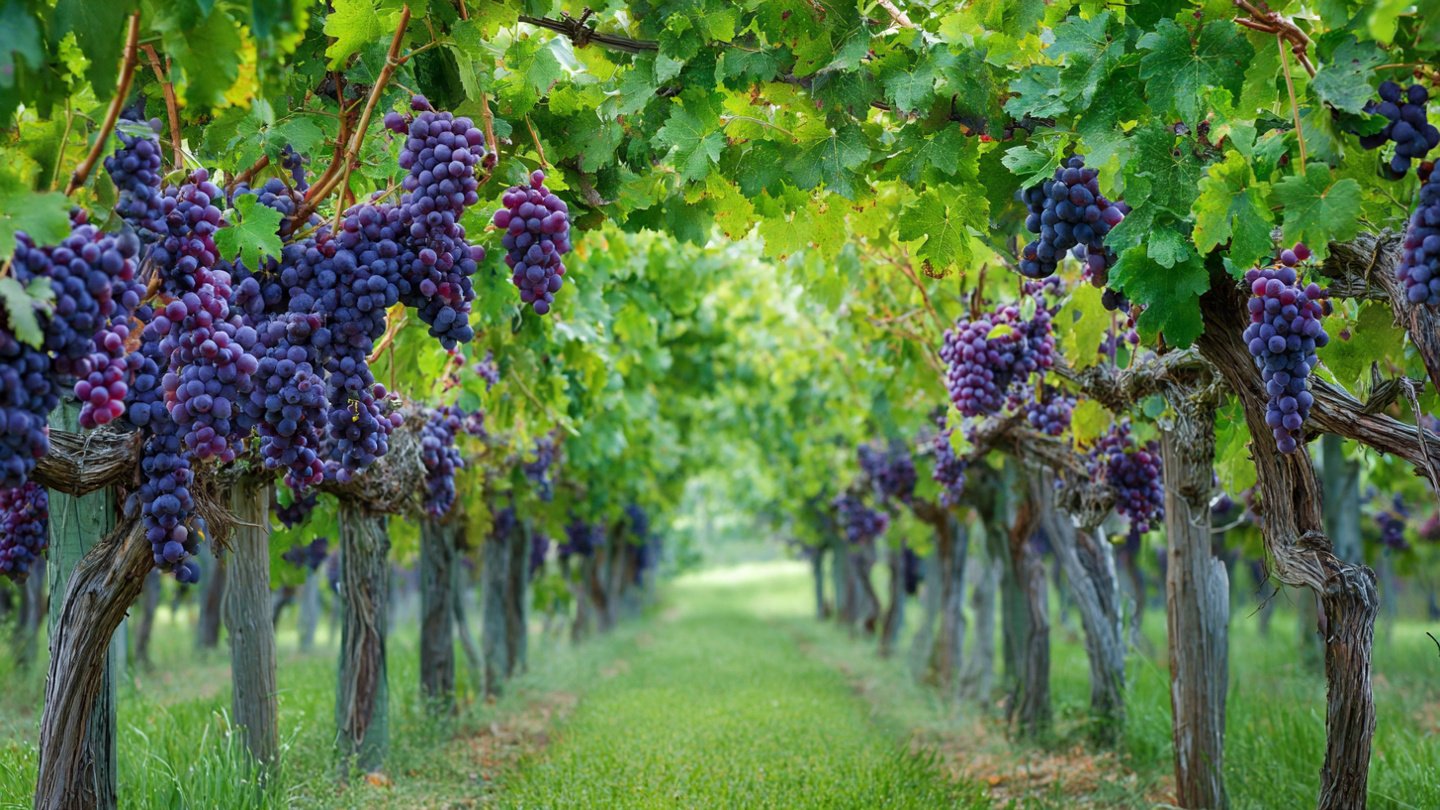
Growing grapevines in Canada can be a rewarding venture, whether for personal enjoyment or commercial production. The unique climate across different regions can offer various opportunities and challenges. Below are comprehensive strategies to help you successfully cultivate grapevines in Canada, ensuring robust growth, high-quality fruit, and a successful harvest.
1. Understanding the Climate
Canada’s climate varies significantly across provinces, from the maritime climate in British Columbia to the colder regions in the Prairies and Northeastern Canada.
Latest Posts
- A Comprehensive Guide to Successfully Growing Grape Vines in Your Backyard for Beginners and Experts Alike
- Best Tips for Successful Mango Growth in Containers
- Discover the Simple Steps for Successfully Growing Coriander in a Pot
- Discovering the Ultimate Guide to Growing African Violets from Leaf Cuttings
- Simple Techniques for Successfully Growing Seedless Grapes in Home Gardens
- Ultimate Guide to Growing Balsam Plants Naturally for Vibrant Blooms
- Discover the Secrets to Growing Lush Leek Leaves with Simple Hacks for Beginners
- How to Successfully Cultivate Sweet Cherries in the Unique Climate of Canada
- The Ultimate Guide to Successfully Growing Beautiful Succulent Garden Plants at Home
- A Comprehensive Guide to Growing Dhania from Seeds for Beginners
- Growing Zones: Familiarize yourself with the USDA Hardiness Zones for your area. Most grape varieties thrive in zones 5-7.
- Temperature Extremes: Grapevines are sensitive to extreme cold and heat. Choose varieties suited for your specific climate.
Top Regions for Grape Growing in Canada
- British Columbia: Known for its mild climate, particularly in the Okanagan Valley, it’s ideal for varieties like Pinot Noir and Chardonnay.
- Ontario: The Niagara Peninsula provides a temperate climate for growing popular varieties like Cabernet Franc and Riesling.
- Quebec: While colder, grape growing is gaining popularity with varieties like Maréchal Foch.
2. Choosing the Right Grape Varieties
Selecting the correct grape variety is critical for successful cultivation.
Cold-Hardy Varieties
- Marquette: A red wine grape known for its resistance to cold, ideal for colder climates.
- La Crescent: A white grape that produces aromatic wines and withstands cold well.
- Foch: A hybrid grape variety that excels in cooler conditions and yields robust red wines.
Wine vs Table Grapes
Decide whether you want to grow wine grapes or table grapes. Wine grapes often require more precise handling and care, while table grapes can be more forgiving.
3. Selecting a Planting Site
The site you choose for planting your grapevines can significantly affect their success.
Sunlight and Drainage
- Sunlight: Grapevines require 6-8 hours of direct sunlight daily. Choose a location with ample sun exposure.
- Soil Drainage: Well-drained soil is essential to prevent root rot. Avoid planting in low areas where water accumulates.
Soil Testing
Conduct soil tests to determine pH levels and nutrient composition. Grapevines prefer slightly acidic soils (pH 6-6.8). Amend the soil with organic matter or fertilizers as necessary.
4. Planting Techniques
Proper Spacing
Proper spacing is crucial for air circulation. Space the vines about 6-8 feet apart to avoid overcrowding, which can promote disease.
Timing
- Best Time to Plant: Late spring is generally the best time for planting vines, after the last frost.
- Soil Temperature: Ensure that the soil has warmed up to at least 50°F (10°C).
Planting Process
- Digging the Hole: Dig a hole about twice the width of the root ball and as deep as needed to accommodate the roots.
- Placing the Vine: Position the vine so that the graft union is just above the soil surface.
- Backfilling: Fill in around the roots with soil and water thoroughly to eliminate air pockets.
5. Training and Pruning
Training Systems
- Vertical Shoot Positioning: Commonly used in commercial vineyards, this system encourages upward growth and maximizes sunlight capture.
- Guyot Training: This simpler method involves training vines along a wire and allows for easier maintenance.
Pruning Techniques
Pruning is vital for encouraging growth and fruit production.
- Winter Pruning: In late winter, prune back last year’s growth to encourage new growth in the spring.
- Summer Pruning: Manage canopy growth and remove excess leaves to improve air circulation and sunlight penetration.
6. Irrigation and Watering
Watering Techniques
- Drip Irrigation: Consider installing a drip irrigation system for efficiency, as it delivers water directly to the roots and minimizes evaporation.
- Monitoring Soil Moisture: Regularly check soil moisture levels. Young vines need more watering, while mature vines can withstand drier conditions.
Rainfall Considerations
Understand the local rainfall patterns. In areas with sufficient rainfall, supplementary watering may be unnecessary, while drier regions will require more frequent irrigation.
7. Pest and Disease Management
Preventing pests and diseases is essential for healthy grapevines.
Common Pests
- Leafhoppers: Monitor for these pests and use insecticidal soap or neem oil for control.
- Grape Berry Moth: Utilize pheromone traps to monitor and control the population.
Disease Prevention
- Powdery Mildew: A common fungal disease; control by ensuring good airflow around the vines and using fungicides if necessary.
- Downy Mildew: Similar to powdery mildew, prevention methods include proper watering and ensuring that leaves dry quickly.
Organic Options
Consider organic pest management strategies to maintain a healthy ecosystem in your vineyard.

8. Harvesting Techniques
Knowing When to Harvest
- Sugar Levels: Test the sugar levels using a refractometer. Most wine grapes are harvested when the sugar concentration reaches 22-25 Brix.
- Color and Taste: Besides sugar levels, monitoring the color and taste of the grapes is essential.
Harvesting Process
- Hand vs Machine: Hand-picking is often better for wine grapes to ensure quality, though machine harvesting can be efficient for larger operations.
- Timing: Harvest in the morning when temperatures are cooler to maintain grape integrity.
9. Post-Harvest Care
Processing
For wine production, grapes should be processed promptly after harvest to maintain freshness. This includes destemming, crushing, and pressing.
Storage and Aging
- Storage Conditions: Store harvested grapes in a cool, dark place. Ensure optimal humidity levels to prevent spoilage.
10. Networking and Resources
Join Local Associations
Connect with local grape growers’ associations and clubs. This can provide you with support, resources, and knowledge sharing.
Attend Workshops and Conferences
Participate in vineyards’ workshops and industry conferences to stay up-to-date with the latest trends, innovations, and methods in grape growing.
FAQs
1. Can I grow grapevines in Canada’s colder regions?
Yes, many cold-hardy grape varieties are specifically bred to withstand colder climates, making grape growing possible even in colder regions of Canada.
2. How often should I water my grapevines?
Young grapevines need more frequent watering, about 1 inch of water per week. Mature vines can survive on less, particularly if well-established.
3. What are some common pests I should watch for?
Leafhoppers, grape berry moths, and spider mites are common pests. Regular inspections and integrated pest management strategies can help mitigate these issues.
4. When is the best time to prune grapevines?
Prune your grapevines in late winter before new growth begins. Summer pruning may also be necessary for managing canopy growth and fruit development.
5. How do I know when to harvest my grapes?
Harvest grapes when their sugar levels reach 22-25 Brix. Additionally, monitor their color and taste to ensure optimal ripeness.
6. Should I use chemicals for disease control?
While chemical treatments can be effective, consider organic options and integrated pest management strategies to minimize chemical use and promote environmental health.
Conclusion
Growing grapevines in Canada can be an enriching experience, both personally and commercially. By understanding your local climate, selecting the right grape varieties, employing effective planting and care techniques, and staying informed about pest and disease management, you can enjoy a successful vineyard. Whether you are a hobbyist or a commercial grower, these strategies will help you cultivate fruitful and healthy grapevines for years to come.