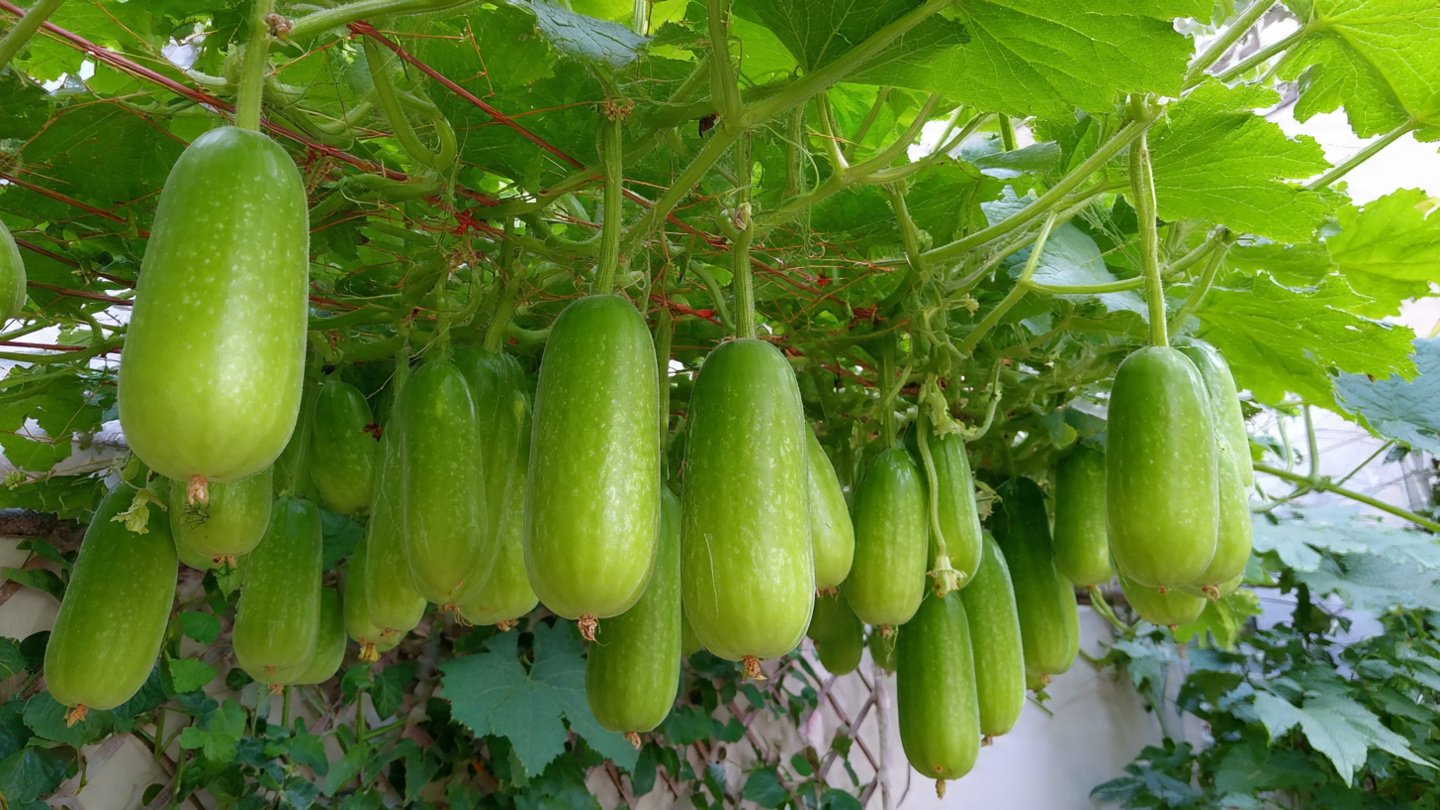
Bottle gourd, scientifically known as Lagenaria siceraria, is a versatile and nutritious vegetable, celebrated for its medicinal properties and culinary uses. Whether you’re looking to grow this unique vegetable indoors or outdoors, understanding the needs of bottle gourd creepers is key to a successful harvest. This guide will provide you with all the insights necessary to cultivate bottle gourd effectively, along with tips, techniques, and a FAQs section.
Understanding Bottle Gourd
Bottle gourd is renowned for its high water content, making it an excellent option for hydration. It’s low in calories, rich in vitamins (such as B vitamins), and packed with minerals like calcium and magnesium. The plant thrives in warm climates and is a vigorous vine that can rapidly cover trellises and other structures.
Latest Posts
- A Comprehensive Guide to Successfully Growing Grape Vines in Your Backyard for Beginners and Experts Alike
- Best Tips for Successful Mango Growth in Containers
- Discover the Simple Steps for Successfully Growing Coriander in a Pot
- Discovering the Ultimate Guide to Growing African Violets from Leaf Cuttings
- Simple Techniques for Successfully Growing Seedless Grapes in Home Gardens
- Ultimate Guide to Growing Balsam Plants Naturally for Vibrant Blooms
- Discover the Secrets to Growing Lush Leek Leaves with Simple Hacks for Beginners
- How to Successfully Cultivate Sweet Cherries in the Unique Climate of Canada
- The Ultimate Guide to Successfully Growing Beautiful Succulent Garden Plants at Home
- A Comprehensive Guide to Growing Dhania from Seeds for Beginners
Benefits of Growing Bottle Gourd
- Nutritional Value: Rich in water, fiber, vitamins, and antioxidants.
- Medicinal Properties: Helps in weight loss, digestion, and skin health.
- Culinary Versatility: Can be used in soups, curries, and desserts.
- Space Efficiency: Ideal for vertical gardening due to its climbing nature.
Growing Bottle Gourd Indoors
1. Selecting the Right Variety
Indoor gardening requires careful selection of the bottle gourd variety. Opt for compact or dwarf varieties that are more manageable for limited spaces. Some suitable varieties include:
- Dwarf Bottle Gourd: Smaller fruits and more bush-like growth habit.
- Green Long: Slightly larger but still suitable for indoor pots.
2. Ideal Container and Soil
Container: Use a large pot or container, at least 5-7 gallons in size, with adequate drainage holes.
Soil: A well-draining potting mix is crucial. A mixture of soil, compost, and perlite will provide the necessary nutrients and aeration. Aim for a pH of 6.0 to 7.0 for optimal growth.
3. Planting the Seeds
- Timing: Start planting indoors 4-6 weeks before the last frost date.
- Method: Sow seeds about 1 inch deep into the soil and water them lightly. Ensure that the temperature remains between 70°F to 90°F for effective germination.
4. Providing Support
As the bottle gourd grows, it will need support to climb. You can use trellises, stakes, or even a sturdy fence. Ensure the support structure is strong enough to hold the weight of the mature plants and fruits.
5. Watering and Fertilizing
- Watering: Maintain consistent moisture but avoid waterlogging. Water deeply when the top inch of the soil feels dry.
- Fertilizing: Use a balanced fertilizer every 4-6 weeks, switching to a high-potassium fertilizer once the plants start flowering to encourage fruiting.
6. Light Requirements
Bottle gourd thrives in full sunlight. Place your container in a south-facing window or under grow lights for 6-8 hours daily to ensure healthy growth.
7. Pest and Disease Management
Indoor plants can still be susceptible to pests like aphids, spider mites, and whiteflies. Regularly inspect your plants and treat any infestations promptly with insecticidal soap or neem oil.
Growing Bottle Gourd Outdoors
1. Site Selection and Preparation
Choose a sunny spot in your garden with well-draining soil. Bottle gourd prefers warm soil temperatures, so in cooler climates, consider starting seeds indoors and transplanting after the threat of frost.
2. Soil Preparation
- Soil Ph: Aim for slightly acidic to neutral soil (pH 6.0-7.0).
- Enrichment: Work in plenty of organic matter such as compost or well-rotted manure to improve soil structure and fertility.
3. Sowing Seeds
- Direct Sowing: Sow seeds outdoors once the danger of frost has passed, about 1 inch deep into the soil.
- Spacing: Space plants about 2-3 feet apart to allow room for their sprawling vines.
4. Watering and Care Techniques
Consistent watering is crucial for outdoor growth, especially during dry spells.
- Watering: Provide deep waterings once a week, increasing frequency during hot, dry periods.
- Mulching: Apply mulch around the plants to conserve moisture and suppress weeds.
5. Supporting the Vines
Just like indoors, outdoor bottle gourds need support. Use sturdy trellises or metal fencing to help the vines climb and produce straight fruits.
6. Fertilization
As with indoor plants, use a balanced fertilizer initially and switch to a high-potassium one as the plants start to flower.
7. Pruning and Training
Prune the tips of the vines to promote bushier growth and better yield. Training the vines helps manage their growth and makes harvesting easier.
8. Harvesting
Harvest bottle gourds at the right time, typically when they are young and tender, for culinary uses. If left on the vine to mature, they can dangle for ornamental uses or be dried and hollowed out.
FAQs
1. How long does it take for bottle gourd to grow?
Bottle gourd typically takes about 60 to 80 days from seed to harvest, depending on the variety and growing conditions.
2. Can I grow bottle gourd in small spaces?
Yes, using containers and vertical gardening techniques allows you to grow bottle gourd in small spaces. Choose dwarf varieties for better management.
3. What is the best time to plant bottle gourd?
The best time to plant bottle gourd is in the spring, after the last frost. For indoor planting, start seeds indoors about 4-6 weeks prior.
4. What pests should I watch for?
Common pests include aphids, spider mites, and cucumber beetles. Regular monitoring and applying insecticidal soap can help manage these pests.
5. How often should I water bottle gourd?
Water bottle gourd deeply once a week, increasing the frequency during hot and dry weather to ensure consistent moisture.
6. Do I need to fertilize bottle gourd?
Yes, use a balanced fertilizer every 4-6 weeks, switching to a high-potassium fertilizer once the plants start to flower for optimal fruit production.
7. Can you eat the skin of bottle gourd?
Yes, the skin is edible and nutritious when the gourd is young and tender. For mature gourds, it can be tougher, but it can still be eaten after cooking.
Conclusion
Growing bottle gourd can be a rewarding experience, whether you choose to cultivate it indoors or outdoors. By understanding their needs in terms of soil, light, water, and support structures, you’ll be able to enjoy the fruits of your labor—both literally and figuratively. With patience and care, you’ll not only produce a beautiful crop but also a nutritious and delicious addition to your meals. Happy gardening!