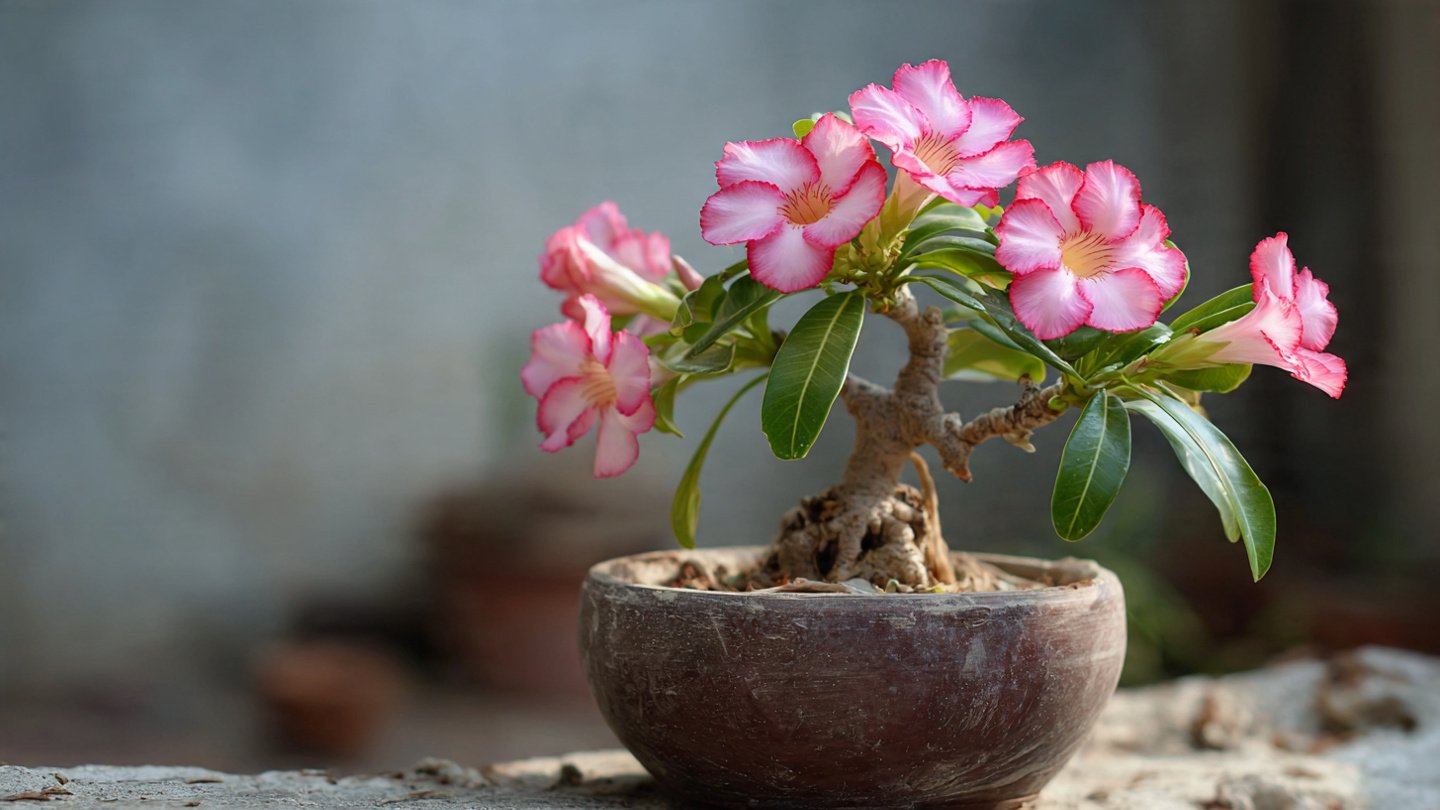
The Desert Rose, scientifically known as Adenium obesum, is a stunning succulent that boasts vibrant flowers and a unique, swollen trunk that captivates plant enthusiasts. Popular in various regions, this plant thrives in well-draining soil and needs specific care tailored to its environment. If you’re a beginner looking to embark on this exciting journey, this comprehensive guide will unveil the secrets to successful indoor Desert Rose cultivation.
Understanding the Desert Rose
Origin and Characteristics
Latest Posts
- A Comprehensive Guide to Successfully Growing Grape Vines in Your Backyard for Beginners and Experts Alike
- Best Tips for Successful Mango Growth in Containers
- Discover the Simple Steps for Successfully Growing Coriander in a Pot
- Discovering the Ultimate Guide to Growing African Violets from Leaf Cuttings
- Simple Techniques for Successfully Growing Seedless Grapes in Home Gardens
- Ultimate Guide to Growing Balsam Plants Naturally for Vibrant Blooms
- Discover the Secrets to Growing Lush Leek Leaves with Simple Hacks for Beginners
- How to Successfully Cultivate Sweet Cherries in the Unique Climate of Canada
- The Ultimate Guide to Successfully Growing Beautiful Succulent Garden Plants at Home
- A Comprehensive Guide to Growing Dhania from Seeds for Beginners
Native to the arid regions of Africa and the Arabian Peninsula, the Desert Rose has adapted to survive in dry conditions. It features:
- Succulent leaves: Thick, paddle-shaped leaves that store water.
- Thick trunk: A swollen, caudiciform base that helps in gathering moisture.
- Beautiful blooms: Flowers that can be red, pink, yellow, or white, usually appearing in clusters.
Understanding its natural habitat is crucial for mimicking the conditions necessary for healthy growth indoors.
Ideal Conditions for Growth
Light Requirements
Desert Roses thrive in bright, direct sunlight. When grown indoors, they should ideally receive between 6 and 8 hours of direct sunlight daily. Placing them near south-facing windows is optimal. If natural light is insufficient, consider using grow lights to supplement their lighting needs, ensuring your plant receives enough energy for photosynthesis.
Temperature
Desert Roses prefer warm temperatures, typically between 65°F and 90°F (18°C to 32°C). They thrive in this range but can tolerate brief periods outside of it. However, exposure to temperatures below 50°F (10°C) can damage the plant. During winter months, if indoor heating creates a dry atmosphere, consider using a humidifier to maintain humidity levels around 20-30%.

Humidity
Being native to arid environments, Desert Roses do not require high humidity levels. In fact, high humidity can lead to problems like root rot. Keeping indoor humidity at a lower range is beneficial. A climate-controlled environment, such as air conditioning during summer, can help manage humidity levels effectively.
Soil and Potting
Well-Draining Soil
The key to cultivating healthy Desert Roses lies in the soil. They require a well-draining mix to prevent waterlogging. You can either purchase cactus or succulent potting mixes or create your own by combining:
- 50% potting soil
- 25% perlite or coarse sand
- 25% pine bark or gravel
This combination ensures proper drainage and mimics their natural habitat.
Pot Selection
Choosing the right pot is also critical. Opt for pots that have drainage holes at the bottom to facilitate water escape. Terracotta pots are a popular choice as they allow for airflow and are porous, helping to prevent rot. Ensure that the pot size is appropriate; a container that is too large can lead to excessive moisture retention.
Watering Practices
Importance of Watering
Watering is a critical aspect of Desert Rose care. Being a succulent, these plants store water in their leaves and stems, making them relatively drought-resistant. Overwatering is the most common mistake made by beginners.

Watering Schedule
During the growing season (spring and summer), water the plant when the top 1-2 inches of soil feel dry. Depending on your environmental conditions, this may mean watering every 7-14 days.
In the fall and winter, reduce watering frequency since the plant enters a dormant phase. Always ensure that excess water drains away, and if you notice yellowing leaves, it may be a sign of overwatering.
Fertilizing Your Desert Rose
Nutrient Needs
During the growing season, providing regular nutrients can promote healthy growth and flowering. Using a balanced, water-soluble fertilizer diluted to half-strength every 4-6 weeks is recommended. Look for fertilizers high in phosphorus, which encourages blooming.
Special Considerations
During the winter months, it’s best to refrain from fertilizing, as the plants are not actively growing. In spring, you can start again as the growing season resumes.
Pruning and Grooming
Purpose of Pruning
Pruning is essential for maintaining the health and shape of your Desert Rose. It encourages a bushier appearance and removes any dead or diseased branches. Regular grooming helps prevent pest infestations and improves air circulation.
How to Prune
Prune in late winter or early spring before the growing season begins. Use clean, sharp scissors or pruning shears to cut back stems, ensuring not to remove more than one-third of the plant at one time. Focus on removing any dead or unhealthy growth while keeping the overall shape intact.
Pest Management

Common Pests
Desert Roses can be susceptible to pests such as aphids, mealybugs, and spider mites. Regularly inspect your plant for any signs of infestation.
Pest Control Methods
- Manual Removal: For small infestations, you can gently wipe the pests off with a damp cloth.
- Neem Oil: As a natural pesticide, diluted neem oil can be effective against a range of pests. Spray it on affected areas, ensuring good coverage.
- Insecticidal Soap: This can also be effective against soft-bodied insects. Apply as directed on the label.
Repotting Your Desert Rose
When to Repot
Repotting is necessary when you notice roots growing out of the drainage holes or if the plant has outgrown its pot. Typically, this is every 2-3 years.
Steps for Repotting
- Choose a pot that is only slightly larger than the current one.
- Carefully remove the plant from its existing pot, loosening the soil around the roots.
- Place the plant in the new pot, adding fresh soil as necessary.
- Water lightly and allow it to settle for a week before resuming regular care.
Troubleshooting Common Issues
Yellowing Leaves

Yellowing leaves often indicate overwatering. Reduce watering frequency and check for drainage issues.
Dropping Leaves
If your Desert Rose is dropping leaves, it may be a sign of stress from temperature changes or insufficient light. Adjust its positioning or check the climate around it.
Lack of Flowers
A lack of flowering can stem from insufficient light or lack of nutrients. Ensure the plant is getting enough light and resume regular fertilization.
Conclusion
Cultivating a Desert Rose indoors can be a rewarding and enjoyable experience. With the right conditions, care, and attention, your plant can thrive, providing you with stunning blooms and a unique addition to your indoor garden. As a novice, patience is key; learning from each step will enhance your skills as a plant caretaker.
Frequently Asked Questions (FAQs)
1. How often should I water my Desert Rose?
Water when the top couple of inches of soil feel dry, usually every 7-14 days during the growing season; less frequently in winter.
2. Can I grow Desert Roses from seed?
Yes, Desert Roses can be grown from seed, but it requires patience and specific conditions. Seeds typically take several weeks to germinate.
3. What’s the best fertilizer for Desert Roses?
A balanced, water-soluble fertilizer with a higher phosphorus content is ideal for encouraging blooms.

4. Does the Desert Rose need humidity?
Desert Roses prefer low humidity levels and thrive in dry air.
5. Why are my Desert Rose leaves turning yellow?
Yellowing leaves often result from overwatering or poor drainage. Check soil moisture and adjust your watering schedule as needed.
6. What pests should I watch for?
Common pests include aphids, mealybugs, and spider mites. Monitor your plants regularly for signs of infestation.
7. Can I keep my Desert Rose outdoors during summer?
Yes, Desert Roses can be placed outdoors in a sunny location during the summer but be cautious of drastic temperature changes when bringing them back indoors.
By following these guidelines and understanding your Desert Rose’s needs, you’ll be well on your way to becoming a successful succulent cultivator! Happy gardening!