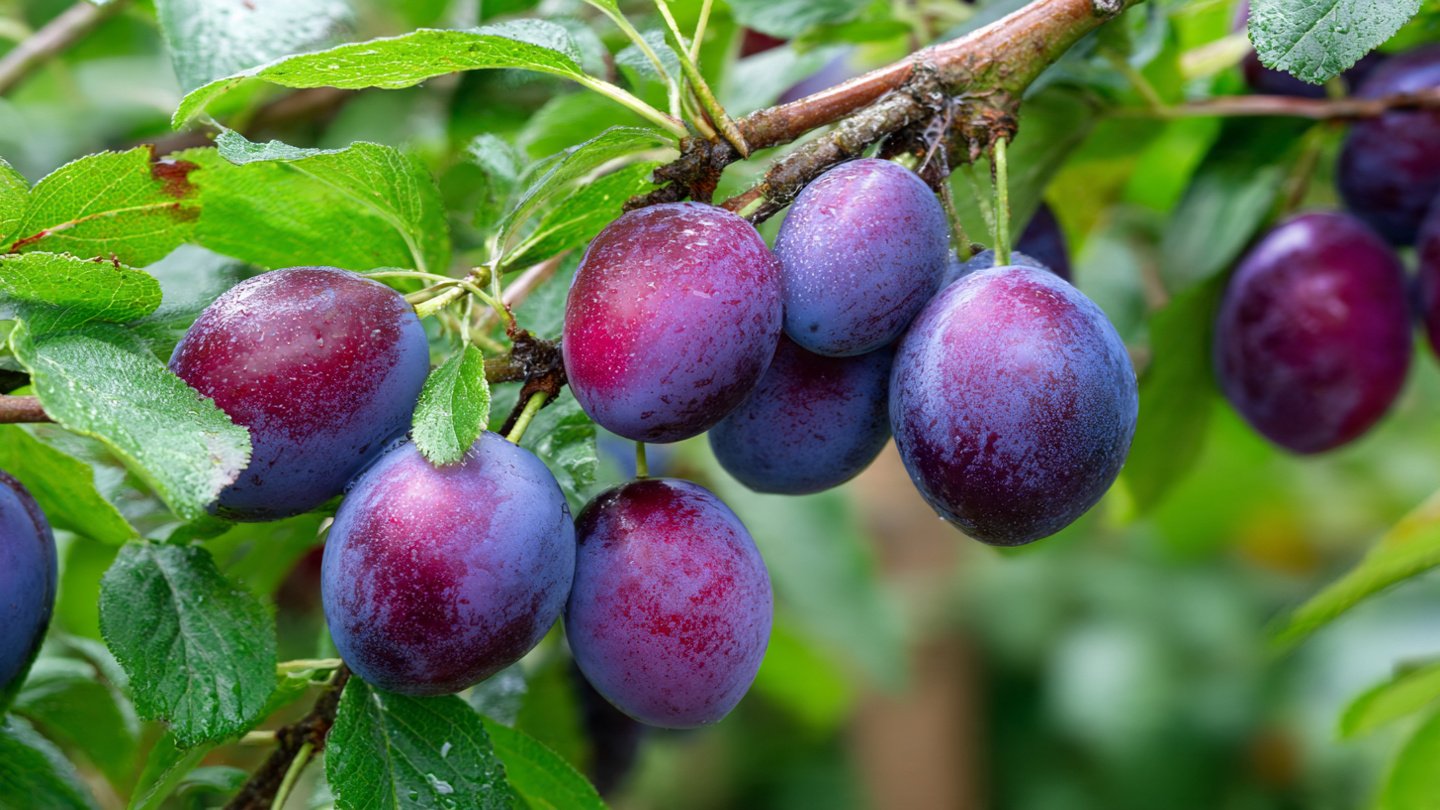
Growing plum trees in containers is an excellent option for gardeners with limited space or those who wish to cultivate fruit without the commitment of garden beds. Container gardening allows for flexibility, control over soil quality, and ease of maintenance. This article will guide you on the best methods to grow plum trees in containers, ensuring maximum yield and healthy fruit.
1. Choosing the Right Variety
Dwarf Varieties
Latest Posts
- A Comprehensive Guide to Successfully Growing Grape Vines in Your Backyard for Beginners and Experts Alike
- Best Tips for Successful Mango Growth in Containers
- Discover the Simple Steps for Successfully Growing Coriander in a Pot
- Discovering the Ultimate Guide to Growing African Violets from Leaf Cuttings
- Simple Techniques for Successfully Growing Seedless Grapes in Home Gardens
- Ultimate Guide to Growing Balsam Plants Naturally for Vibrant Blooms
- Discover the Secrets to Growing Lush Leek Leaves with Simple Hacks for Beginners
- How to Successfully Cultivate Sweet Cherries in the Unique Climate of Canada
- The Ultimate Guide to Successfully Growing Beautiful Succulent Garden Plants at Home
- A Comprehensive Guide to Growing Dhania from Seeds for Beginners
When growing plum trees in containers, selecting the right variety is crucial. Dwarf or semi-dwarf plum trees are ideal, as they have smaller root systems and a compact growth habit, making them easier to manage in limited spaces. Popular dwarf varieties include:
- Methley: A self-pollinating variety with sweet, juicy fruit.
- Santa Rosa: Known for its large, flavorful plums; also self-pollinating but benefits from cross-pollination for better yields.
- Beauty: A semi-dwarf variety with beautiful pink flowers and sweet fruit.
Pollination Needs
While some plum trees are self-fertile, others may require a pollen partner to yield fruit. It’s essential to consider the flowering times and ensure that compatible varieties are planted if you choose non-self-fertile types.
2. Selecting the Right Container
Size Matters
The container size significantly influences the health and productivity of your plum tree. Generally, a pot with a diameter of at least 18 to 24 inches is recommended. Ensure the pot has ample depth (at least 18 inches) to accommodate the roots.
Material Choice
Containers can be made of various materials such as plastic, wood, or ceramic:
- Plastic: Lightweight and retains moisture well but might not provide insulation.
- Wood: Attractive and provides good insulation but is susceptible to rot.
- Ceramic: Heavy and aesthetically pleasing but may require more drainage management.
Drainage
Good drainage is crucial to prevent root rot. Ensure your container has drainage holes at the bottom, and consider adding a layer of gravel or broken pottery to enhance drainage.
3. Soil Selection
Nutrient-Rich Mixture
Using a high-quality potting mix is vital. Look for one designed for fruit trees or a general-purpose mix enriched with organic matter, such as compost or well-rotted manure. This will provide essential nutrients and improve soil aeration.
pH Level
Plum trees thrive in slightly acidic to neutral pH levels (around 6.0 to 7.0). You can test your soil using a pH test kit and amend it as necessary with sulfur or lime to adjust the pH.
4. Planting Your Plum Tree
Timing
The best time to plant plum trees in containers is during early spring or fall, when temperatures are cooler. This allows the tree to establish roots before facing the heat of summer.
Planting Steps
-
Prep the Container: Before planting, ensure that your container is clean. If reusing a pot, disinfect it to eliminate any potential pathogens.
-
Add Soil: Fill your container with the potting mix, leaving about an inch of space from the rim.
-
Position the Tree: Remove the plum tree from its nursery pot, gently loosening any tightly bound roots. Place the tree in the center of the container, ensuring the root crown is at the soil level.
-
Backfill & Water: Fill in around the roots with more potting mix, lightly pressing down to eliminate air pockets. Water thoroughly until water drains from the bottom.
5. Watering and Fertilization
Watering
Plum trees in containers require consistent moisture. The size of the container affects how quickly the soil dries out, demanding regular checks. Generally:
- Frequency: Water deeply but infrequently, ensuring the top inch of soil dries out between waterings.
- Indicators: Look for wilting leaves or dry soil as a sign to water.
Fertilization
Regular fertilization will ensure optimal growth and fruit production.
- When to Fertilize: Start fertilizing in early spring and continue every 4-6 weeks until midsummer.
- Type of Fertilizer: Use a balanced, slow-release fertilizer with a ratio of 10-10-10 or one specially formulated for fruit trees. Organic options include fish emulsion or seaweed extract.
6. Pruning and Training
Importance of Pruning
Pruning is crucial for maintaining shape, encouraging airflow, and maximizing fruit yield.
- When to Prune: Perform major pruning in late winter or early spring before new growth begins.
- How to Prune: Focus on removing dead or crossing branches, and shape the tree to encourage a central leader or an open center depending on your desired shape.
Training Techniques
Consider using training systems such as espaliers for limited space. This involves training the branches along a trellis or fence, providing structure while maximizing yield.
7. Pest and Disease Management
Common Issues
Plum trees, like all plants, are susceptible to pests and diseases. Common challenges include:
- Aphids: Small insects that can harm young shoots.
- Plum Curculio: A beetle that damages fruit, leading to rot.
- Fungal Diseases: Such as brown rot, especially in humid conditions.
Prevention
- Regular Inspections: Check your plum tree weekly for any signs of pests or disease.
- Natural Remedies: Consider neem oil or insecticidal soap for minor infestations. Proper spacing and airflow can help prevent fungal diseases.
8. Harvesting Your Plums
Signs of Ripeness
Plums typically take about 3 to 6 months to mature, depending on the variety. Look for:
- Color Change: As plums ripen, they change color to their variety’s specific hue.
- Firmness: Ripe plums should yield slightly to gentle pressure.
Harvesting Technique
Use pruning shears to clip plums from the tree, ensuring you do not damage the stem. Handle the fruit carefully to avoid bruising.
9. Winter Care
Protecting Your Container
In colder climates, container-grown plum trees need winter protection.
- Insulation: Wrap the container in burlap or bubble wrap to provide insulation against freezing temperatures.
- Location: Move the container to a more sheltered area, such as against a building or in a garage, if feasible.
Watering in Winter
Even in winter, check the soil moisture. If it dries out, water gently to prevent the roots from freezing and dying.
FAQs
1. Can I grow plum trees indoors?
While plum trees can be kept indoors, they still need plenty of sunlight (at least 6 hours a day) and proper ventilation. It’s often more efficient to grow them outdoors on a patio or balcony.
2. How often should I fertilize my container-grown plum tree?
Fertilize every 4-6 weeks during the growing season, using a balanced formula.
3. What is the best way to control pests on my plum tree?
Regularly inspect your tree and use natural pesticides like neem oil for infestations. Insecticidal soap can be effective against softer-bodied pests like aphids.
4. How can I ensure good pollination for my plum tree?
Plant two compatible varieties that bloom at the same time to enhance the chances of cross-pollination, leading to better fruit set and yield.
5. Why are my plums falling from the tree prematurely?
Premature fruit drop can occur due to stress from lack of water, extreme heat, or insufficient nutrients. Ensure consistent care and monitor environmental conditions.
6. Is it possible to grow other fruits in containers?
Yes, many fruits can be successfully grown in containers, including cherry trees, blueberries, and figs. Choose varieties suited for container growth.
7. What should I do if my plums develop brown rot?
Remove any affected fruit to prevent the spread of rot. Improve air circulation around your tree and consider using organic fungicides if the problem persists.
Conclusion
Growing plum trees in containers allows for versatility and can yield delicious fruits even in limited spaces. By selecting the right variety, optimizing container conditions, and providing diligent care, you can enjoy a fruitful harvest of plums. Whether you’re a seasoned gardener or a beginner, following these guidelines will lead you to success in container fruit production. Happy gardening!