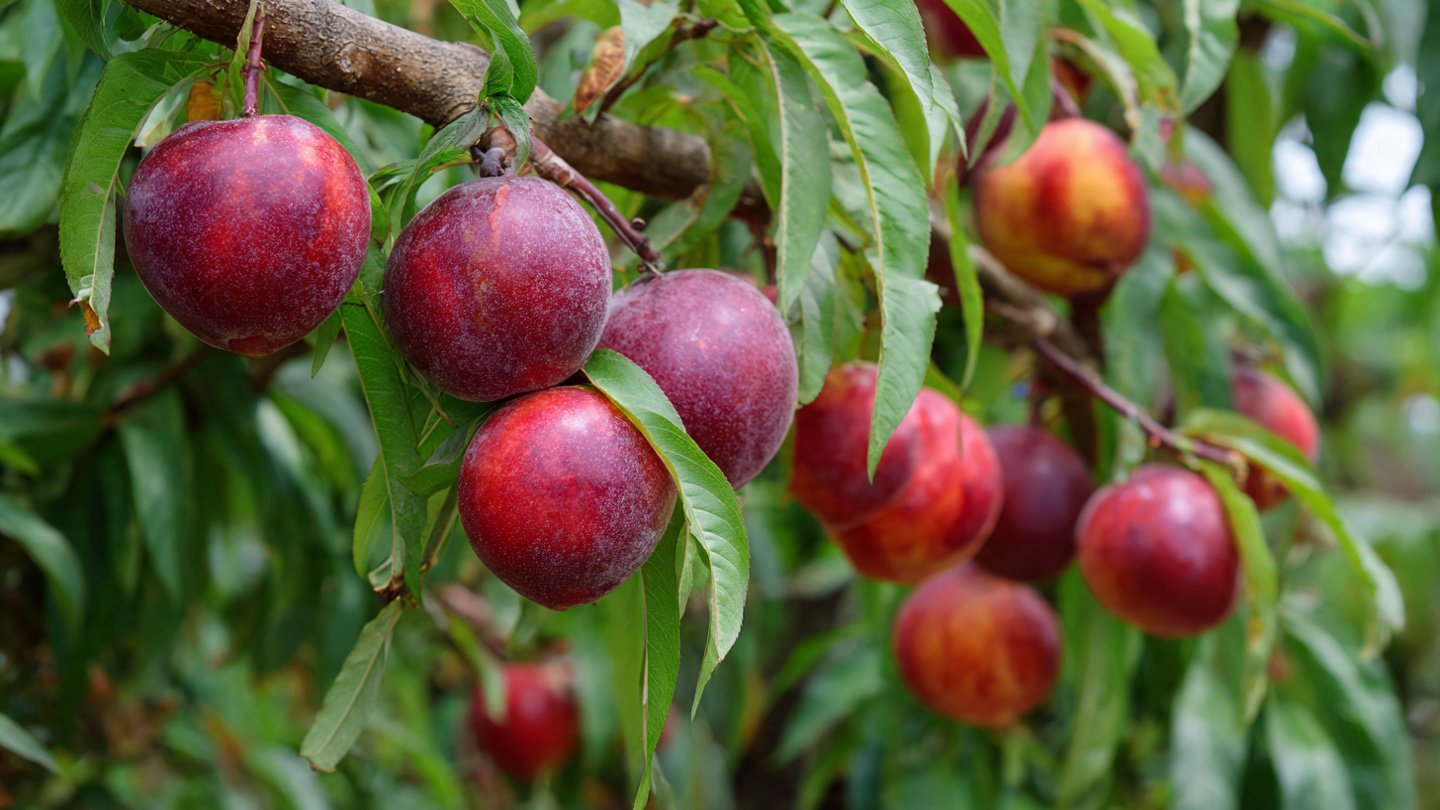
Growing nectarines at home can be both rewarding and delicious, offering a sweet bounty that is perfect for snacking, baking, and preserving. Hardy nectarines, in particular, are suited to a variety of climates and can thrive with proper care. Whether you live in USDA hardiness zones 5 to 9, this guide provides ten simple steps to ensure a successful harvest.
Step 1: Choose the Right Variety
Selecting the right variety of nectarine is crucial. Some popular hardy varieties include:
Latest Posts
- A Comprehensive Guide to Successfully Growing Grape Vines in Your Backyard for Beginners and Experts Alike
- Best Tips for Successful Mango Growth in Containers
- Discover the Simple Steps for Successfully Growing Coriander in a Pot
- Discovering the Ultimate Guide to Growing African Violets from Leaf Cuttings
- Simple Techniques for Successfully Growing Seedless Grapes in Home Gardens
- Ultimate Guide to Growing Balsam Plants Naturally for Vibrant Blooms
- Discover the Secrets to Growing Lush Leek Leaves with Simple Hacks for Beginners
- How to Successfully Cultivate Sweet Cherries in the Unique Climate of Canada
- The Ultimate Guide to Successfully Growing Beautiful Succulent Garden Plants at Home
- A Comprehensive Guide to Growing Dhania from Seeds for Beginners
- Tropic Sweet: Ideal for warmer climates, producing juicy, flavorful fruit.
- Red Gold: Known for its sweet flesh and attractive red skin, it’s cold hardy and disease resistant.
- Hardy Red: True to its name, it can withstand colder temperatures while producing large fruits.
Research the varieties that grow best in your zone and consider disease resistance, fruit quality, and tree size.
Step 2: Site Selection
Nectarines love sunlight and well-drained soil. Choose a location that:
- Receives at least 6-8 hours of direct sunlight daily.
- Has good air circulation to prevent fungal diseases.
- Offers a gentle slope or raised bed to assist with drainage.

Avoid low-lying areas where frost can settle late in the season.
Step 3: Soil Preparation
The right soil is vital for healthy tree growth. Here’s how to prepare it:
-
Test the Soil: Understanding your soil’s pH and nutrient levels is a good starting point. Use a soil test kit; nectarines thrive in slightly acidic to neutral soil (pH 6.0 to 7.0).
-
Amend as Necessary: Based on the soil test, add organic material like compost to enhance fertility and drainage. If your soil is heavy clay, consider adding sand or perlite.
-
Tilling: Loosen the soil to a depth of at least 12 inches. This encourages healthy root growth and improves drainage.
Step 4: Planting
Timing your planting is crucial. Ideally, plant nectarines in early spring after the last frost or in fall, about 6 weeks before the first expected hard freeze. Here’s how to plant:
- Dig a Hole: Create a hole that is twice as wide and as deep as the root ball of the tree.
- Positioning: Place the tree slightly higher than the surrounding soil to allow for settling. Ensure the graft union (the swollen area where the tree variety was grafted onto the rootstock) is just above the soil line.
- Backfill and Water: Gently backfill the hole and water deeply to remove air pockets.
Step 5: Watering
Proper watering is crucial, especially during the first year of growth. Here’s how to maintain moisture:
- Frequency: Water the tree weekly if there is no rainfall. Adjust frequency based on your soil’s moisture level.
- Deep Watering: Water slowly and deeply to encourage deep root growth. A drip irrigation system can be beneficial.
- Mulching: Apply a mulch layer around the base of the tree to retain moisture, control weeds, and regulate soil temperature.
Step 6: Fertilization
Fertilizing is essential for fueling growth and ensuring fruit production. Here’s when and how to fertilize:
- Spring Application: Use a balanced fertilizer (10-10-10) in early spring before new growth begins.
- Follow-up Feeding: In mid-summer, apply a second feeding to support fruit development. Always follow package directions for application rates.

Step 7: Pruning
Regular pruning is key to maintaining a healthy tree and encouraging fruit production. Here’s a basic guide:
- When to Prune: Late winter or early spring is ideal before new growth begins.
- Focus on Structure: Thin out crowded branches to improve air circulation and sunlight exposure.
- Shape the Tree: Aim for an open center shape (vase shape) to allow sunlight to penetrate the tree.
Step 8: Pest and Disease Management
Keeping your nectarines free from pests and diseases will ensure a healthy harvest. Here are some preventative measures:
- Inspection: Regularly check for signs of pests like aphids and peach twig borers. Hand-pick or use insecticidal soap as needed.
- Fungal Diseases: Apply fungicides if you notice signs of brown rot or powdery mildew. Keep the area around the tree clean and clear of fallen fruit.
- Overall Hygiene: Sanitation is vital. Remove all dead leaves and fruit to reduce the chance of diseases spreading.
Step 9: Fruit Thinning
To improve fruit size and quality, consider thinning the fruit when they’re about the size of a marble. Follow these guidelines:

- Spacing: Thin fruit to about 4-6 inches apart, which helps reduce the weight on branches and allows the fruit to develop fully.
- Timing: Thin when the fruit is still small, usually about 4-6 weeks after blooming.
Step 10: Harvesting
Harvesting nectarines at the right time is essential for flavor. Here’s how to determine when they’re ready:
- Color: Look for a deep, vibrant color. The background color should turn from green to yellow for most varieties.
- Feel: Gently squeeze the fruit; ripe nectarines should yield slightly to pressure.
- Timing: Harvest in late summer to early fall, depending on the variety.
FAQs
1. How much space do nectarines need?
Nectarine trees typically need 12-15 feet of space to spread, depending on the variety. Ensure enough room for air circulation and sun exposure.
2. What soil type is best for nectarines?
Nectarines prefer well-drained, loamy soils. They cannot tolerate waterlogged conditions. Aim for a pH of 6.0-7.0.

3. How often should I water my nectarine tree?
In the first year, water deeply once a week, adjusting based on rainfall. Mature trees may require watering every 10-14 days during dry spells.
4. Do nectarines attract pests?
Yes, they can attract pests like aphids, peach twig borers, and brown moths. Regular inspections and preventative treatments can help manage these issues.
5. When should I prune my nectarine tree?
Pruning should occur in late winter or early spring before new growth begins to shape the tree and promote healthy growth.
6. How long does it take for a nectarine tree to bear fruit?
Typically, nectarines will start producing fruit within 3 to 4 years after planting, depending on the variety and care.
7. Can I grow nectarines in containers?
Yes, dwarf varieties can be grown in containers. Ensure the container is large enough (at least 15 gallons) and use high-quality potting soil.
By following these ten simple steps, you can cultivate healthy, productive nectarines right in your backyard. With a bit of patience and regular care, your homegrown nectarines will provide you with delicious fruit for years to come! Happy gardening!