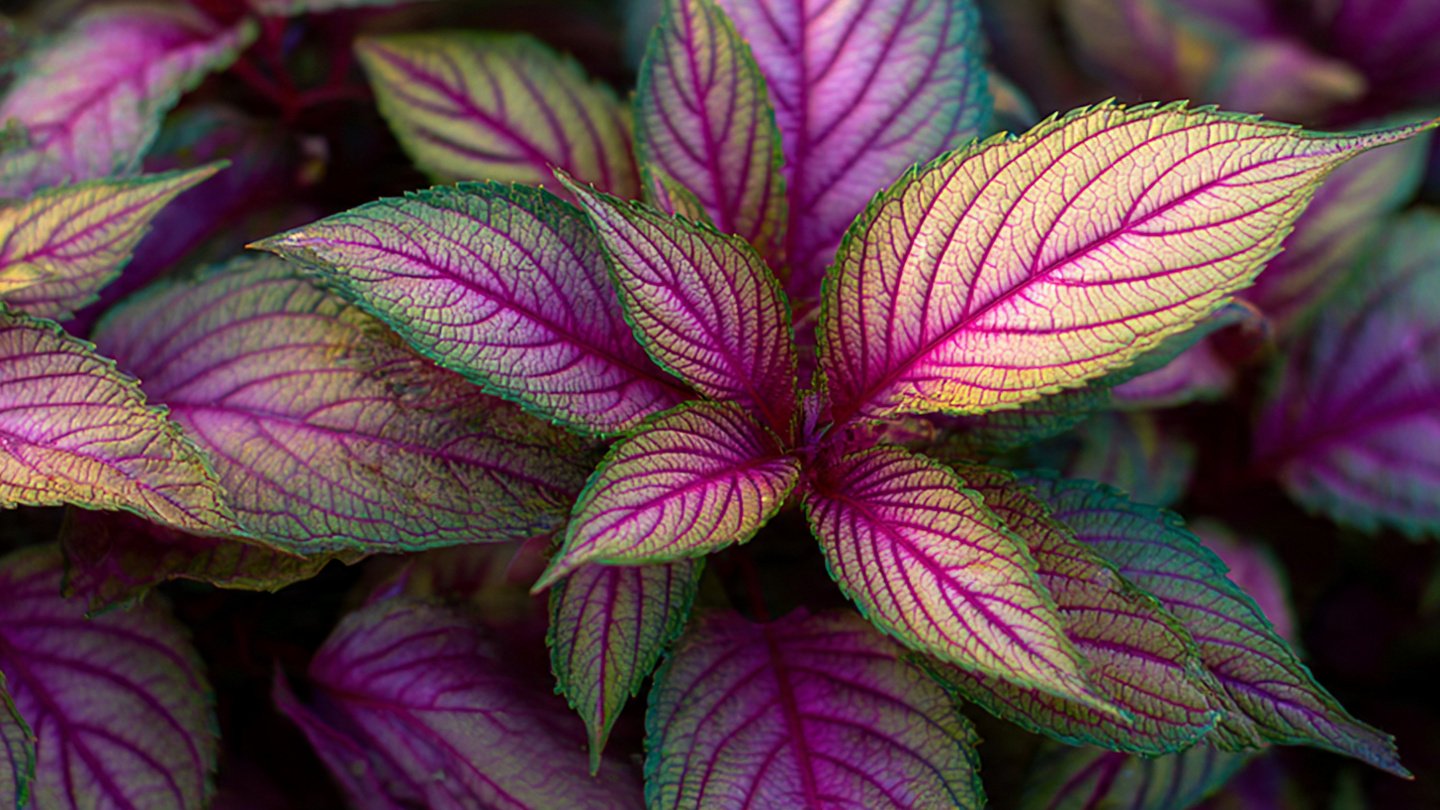
Amaranthus, commonly referred to as amaranth, is a remarkable and versatile plant prized for its nutritious leaves and seeds. Cultivated for centuries across various cultures, this resilient species not only boasts vibrant foliage but also offers culinary versatility and nutritional benefits. This guide provides a comprehensive overview of how to successfully grow amaranthus leaves in your home garden.
Understanding Amaranthus
What is Amaranthus?
Latest Posts
- A Comprehensive Guide to Successfully Growing Grape Vines in Your Backyard for Beginners and Experts Alike
- Best Tips for Successful Mango Growth in Containers
- Discover the Simple Steps for Successfully Growing Coriander in a Pot
- Discovering the Ultimate Guide to Growing African Violets from Leaf Cuttings
- Simple Techniques for Successfully Growing Seedless Grapes in Home Gardens
- Ultimate Guide to Growing Balsam Plants Naturally for Vibrant Blooms
- Discover the Secrets to Growing Lush Leek Leaves with Simple Hacks for Beginners
- How to Successfully Cultivate Sweet Cherries in the Unique Climate of Canada
- The Ultimate Guide to Successfully Growing Beautiful Succulent Garden Plants at Home
- A Comprehensive Guide to Growing Dhania from Seeds for Beginners
Amaranthus is a genus of plants in the amaranth family, Amaranthaceae. There are over 60 species, with Amaranthus tricolor (Chinese spinach) and Amaranthus cruentus (red amaranth) being among the most popular for leaf production. The leaves are rich in vitamins A and C, calcium, iron, and protein, making them a valuable addition to any diet.
Varieties of Amaranthus
- Amaranthus tricolor: Known for its striking red, green, and yellow foliage, this variety is often grown as an ornamental plant as well as for culinary use.
- Amaranthus cruentus: This variety produces larger leaves and is typically favored for its nutritional content.
- Amaranthus caudatus: Also known as love-lies-bleeding, it features unique, cascading flower clusters and edible leaves.
Preparing Your Garden
1. Selecting the Right Location
Amaranth thrives in full sunlight; hence, choose a spot in your garden that receives at least 6-8 hours of direct sunlight daily. A well-drained area is essential as amaranth does not tolerate soggy roots.
2. Soil Preparation
Amaranth prefers sandy loam or loamy soil that is rich in organic matter. Here’s how to prepare the soil:

- Testing Soil: Conduct a soil test to check pH levels (6.0-7.0 is ideal) and nutrient content.
- Amending Soil: Incorporate organic matter such as compost or well-rotted manure to enhance fertility and drainage.
- Tilling: Loosen the soil to a depth of at least 12 inches to facilitate healthy root growth.
3. Timing the Planting
Amaranth is a warm-season crop best planted after the last frost. In most regions, this means sowing seeds in late spring.
Planting Amaranthus
1. Seed Sowing
Amaranth can be started directly in the garden or indoors:
- Direct Sowing: Sow the seeds about 1/4 to 1/2 inch deep and 12 inches apart in rows. Thin seedlings to about 8-10 inches apart once they are a few inches tall.
- Indoor Starting: If starting seeds indoors, plant them in biodegradable pots about 6 weeks before the last frost date.
2. Watering
Keep the soil consistently moist but not soggy during germination. After seedlings emerge, reduce watering frequency but ensure the plants do not dry out. Amaranth is relatively drought-tolerant once established, requiring about 1 inch of water per week.
Caring for Your Amaranth Plants
1. Fertilization

Feed amaranth with a balanced liquid fertilizer (like a 10-10-10 NPK) every month to promote healthy growth. Over-fertilization can lead to lush foliage with low nutrient density.
2. Weed Control
Regularly check for weeds, especially during the early growth stages. Use mulch around the plants to suppress weeds and retain moisture.
3. Pest Management
Amaranth is relatively pest-resistant, but keep an eye out for aphids, spider mites, and leafhoppers. Organic insecticidal soap or neem oil can be used for pest control.
4. Disease Prevention
Fungal diseases can occur in humid conditions. To prevent diseases:
- Ensure good air circulation: Space plants adequately.
- Water at the base: Avoid overhead watering, which can promote fungal growth.
Harvesting Amaranth Leaves
When to Harvest
Begin harvesting amaranth leaves when they are young and tender, typically around 4-6 weeks after planting. The best time to harvest is in the morning after the dew has dried, but before the heat of the day sets in.
Harvesting Technique
- Use scissors or garden shears to cut the leaves at the base.
- Leave some leaves on the plant to allow for continued growth.
Storage
Fresh amaranth leaves can be stored in the refrigerator for about a week. For longer storage, consider blanching and freezing the leaves.
Culinary Uses of Amaranth Leaves
Amaranth leaves are incredibly versatile and can be used in various dishes:
- Salads: Young leaves can be used raw in salads.
- Stir-fries: Cook the leaves quickly in a stir-fry with garlic and other vegetables.
- Soups: Add to soups and stews for added nutrition.
- Smoothies: Blend into smoothies for a nutritious boost.
Benefits of Growing Amaranth
- Nutritional Value: Rich in vitamins, minerals, and antioxidants.
- Culinary Versatility: Can be used in many dishes.
- Low Maintenance: Requires minimal care and is drought-resistant.
- Beautiful Foliage: Adds aesthetic beauty to your garden.

Common Problems and How to Address Them
1. Yellowing Leaves
This may indicate nutrient deficiencies, particularly nitrogen. Apply a balanced fertilizer as needed.
2. Wilting Plants
Wilting can result from inconsistent watering. Ensure watering is regular, particularly in dry conditions.
3. Bacterial Leaf Spot
This disease can cause brown spots on leaves. To manage it, remove affected leaves and provide adequate spacing for air circulation.
FAQs
1. Can I Grow Amaranth in Containers?
Yes, amaranth can be successfully grown in containers. Ensure the container is at least 12 inches deep.
2. Is Amaranth a perennial plant?
Amaranth is generally grown as an annual, but in warm climates, it may reseed itself.
3. What is the harvest duration for amaranth leaves?

Amaranth leaves can typically be harvested as early as 4-6 weeks after planting, depending on the variety.
4. Are both leaves and seeds of amaranth edible?
Yes, both the leaves and seeds of amaranth are edible, with seeds often being ground into flour.
5. How often should I fertilize amaranth plants?
Fertilize every 4-6 weeks with a balanced fertilizer to support healthy growth.
6. Can amaranth tolerate shade?
Amaranth prefers full sun. While it may grow in partial shade, its leaves may become leggy and nutrient density may decrease.
Conclusion
Cultivating amaranthus leaves in your home garden presents an excellent opportunity to enjoy both a decorative plant and a nutrient-rich food source. With proper preparation, care, and harvesting practices, you can reap the benefits of this versatile crop. Happy gardening!