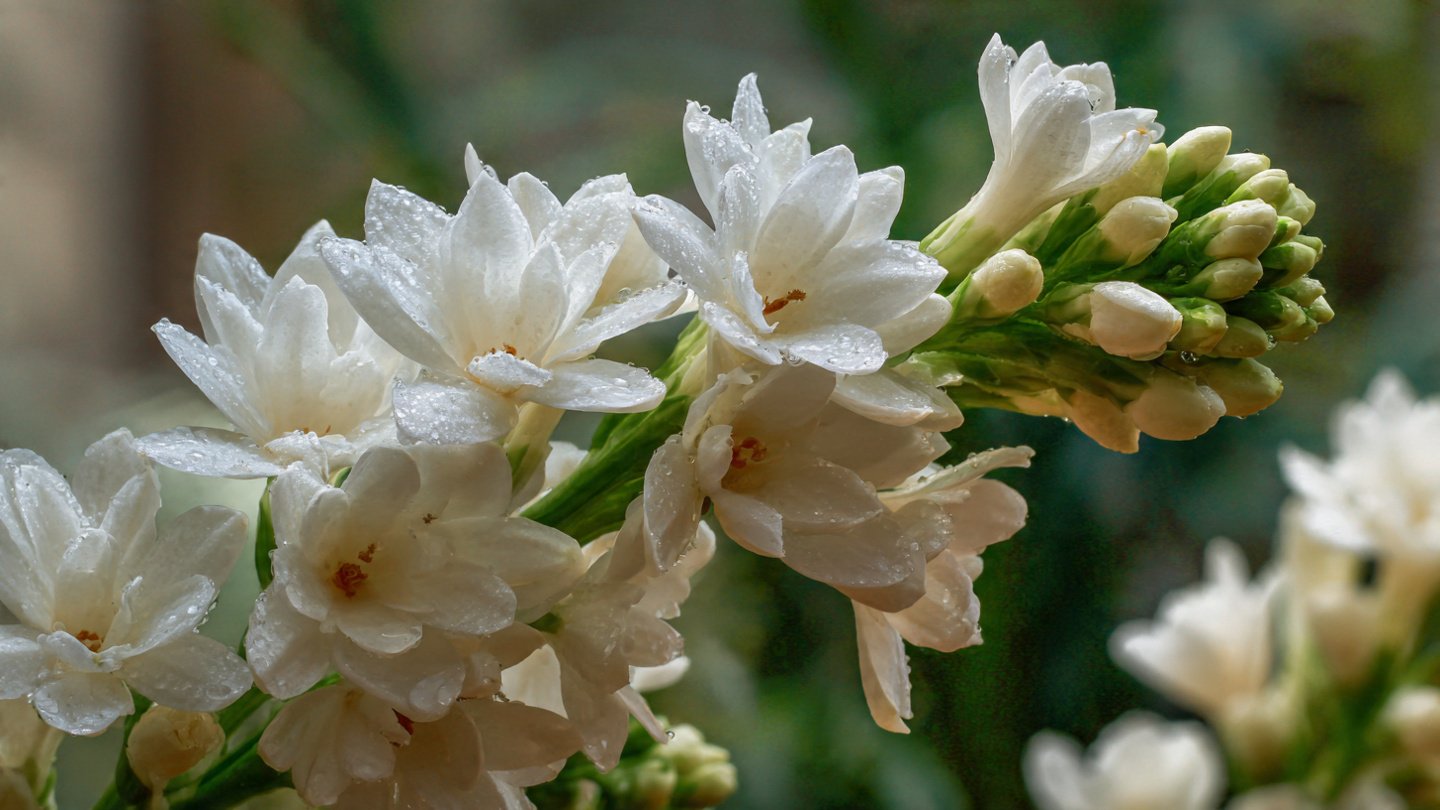
Tuberose, commonly known as Rajnigandha in India, is renowned for its stunning, waxy white flowers and intoxicating fragrance. Often used in garlands, perfumes, and essential oils, this plant can elevate the atmosphere in any garden. Cultivating Tuberose at home not only adds beauty but also allows you to enjoy its delightful aroma. Below are easy steps broken down into manageable phases for effectively growing Tuberose in your garden.
Understanding Tuberose
What is Tuberose?
Latest Posts
- A Comprehensive Guide to Successfully Growing Grape Vines in Your Backyard for Beginners and Experts Alike
- Best Tips for Successful Mango Growth in Containers
- Discover the Simple Steps for Successfully Growing Coriander in a Pot
- Discovering the Ultimate Guide to Growing African Violets from Leaf Cuttings
- Simple Techniques for Successfully Growing Seedless Grapes in Home Gardens
- Ultimate Guide to Growing Balsam Plants Naturally for Vibrant Blooms
- Discover the Secrets to Growing Lush Leek Leaves with Simple Hacks for Beginners
- How to Successfully Cultivate Sweet Cherries in the Unique Climate of Canada
- The Ultimate Guide to Successfully Growing Beautiful Succulent Garden Plants at Home
- A Comprehensive Guide to Growing Dhania from Seeds for Beginners
Tuberose (Polianthes tuberosa) is a perennial plant native to Mexico and belongs to the Agave family. The plant can grow up to 2 feet tall and produces long stems adorned with clusters of blossoms. The flowers bloom in late summer or early autumn and are characterized by their sweet, pleasant fragrance, making them popular in floral arrangements.
Why Grow Tuberose?
- Fragrance: Tuberoses are famous for their captivating scent, enhancing any indoor or outdoor space.
- Aesthetic Value: Their elegant flowers add a touch of beauty to gardens and flower beds.
- Pollinator Attractant: This plant attracts bees and butterflies, contributing to local biodiversity.
- Air Purification: Like many flowering plants, Tuberoses can help purify the air.
Step-by-Step Guide to Cultivating Tuberose
Step 1: Choose the Right Variety
Tuberose primarily comes in two varieties:
- Single Flowering: Single flowering types have one row of petals and are typically more fragrant.
- Double Flowering: This variety has layers of petals, producing fuller flowers but with a slightly less potent fragrance.

Select a variety based on your preference for fragrance and aesthetics.
Step 2: Select the Ideal Location
Tuberose thrives in bright, indirect sunlight. Here are some key considerations:
- Sunlight: Ensure the spot receives at least 6 hours of sunlight per day.
- Protection: Choose a location that protects from harsh winds and heavy rains, as these can damage delicate flowers.
Step 3: Prepare the Soil
The success of your Tuberose plants greatly depends on the soil quality. Follow these steps for proper soil preparation:
- Soil Type: Use well-draining soil rich in organic matter. A sandy loam or loamy soil is ideal.
- pH Level: Test and maintain a pH level between 6.0 and 7.0 for optimal growth.
- Soil Amendment: Incorporate compost, aged manure, or other organic fertilizers to enrich the soil.
Step 4: Planting Tuberose Bulbs
Tuberose is typically propagated from bulbs, which are available at garden centers. Here’s how to plant them:
- Timing: The best time to plant Tuberose is in late spring after the last frost date.
- Depth: Plant the bulbs about 3 inches deep, ensuring the pointed end is facing up.
- Spacing: Space the bulbs at least 8-10 inches apart to allow proper growth.

Step 5: Watering
Proper watering is crucial for healthy Tuberose plants. Here’s what to do:
- Initial Watering: Water the bulbs immediately after planting to settle the soil.
- Ongoing Watering: Maintain consistent moisture without waterlogging. The soil should be damp but not soggy.
- Draining: Ensure pots have drainage holes, and if planted in the ground, avoid planting in low areas where water may accumulate.
Step 6: Fertilizing
Tuberose requires nutrients for optimal growth. Fertilize as follows:
- Type of Fertilizer: Use a balanced, slow-release fertilizer or a 10-10-10 NPK formula.
- Frequency: Fertilize once a month during the growing season (spring and summer).
- Post-Blooming: After blooming, fertilize less frequently, focusing on strengthening the bulbs for the next growing season.
Step 7: Pest and Disease Management
While Tuberose is generally hardy, it can be susceptible to pests and diseases:
- Common Pests: Watch out for aphids, mealybugs, and spider mites. Use insecticidal soap or neem oil to treat infestations.
- Diseases: Root rot can occur in overly wet conditions. Ensure proper drainage and avoid overwatering.

Step 8: Pruning and Maintenance
Regular maintenance promotes plant health and blooms:
- Pruning: Remove dead or wilted flowers to encourage new blooms.
- Cutting Back: After the flowering period has ended, cut the leaves back, allowing the plant to prepare for dormancy.
- Winter Care: In colder regions, dig up bulbs in the fall and store them in a cool, dry place. In warmer climates, mulch can help insulate them during winter.
Step 9: Enjoying the Blooms
Once your Tuberose plants start blooming in late summer, you can enjoy their delightful fragrance. The flowers can be cut and used in bouquets, or simply admired in your garden. Utilize their incredible scent in various ways:
- Cut Flowers: Use them in vases, enhancing indoor air quality and aesthetic appeal.
- Fragrant Garlands: Create garlands for special occasions, festivals, or personal decor.
- Essential Oils: Explore opportunities for extracting oil if you are inclined toward DIY beauty products.
Step 10: Saving Bulbs for Next Season
After the blooming season has ended, caring for the bulbs ensures they survive for next year:
- Drying: Allow the bulbs to dry out completely after cutting back the foliage.
- Storing: Store them in a cool, dry place, preferably in paper bags or containers with ventilation holes.
- Replanting: In the spring, replant your dried bulbs following the initial planting steps.

Tips for Success
- Mulching: Apply mulch around the base of the plants to retain moisture and suppress weeds.
- Companion Planting: Pair Tuberose with other fragrant plants like marigolds, which can deter pests.
- Regular Monitoring: Keep an eye out for signs of disease or pest issues, addressing problems early.
Frequently Asked Questions (FAQs)
1. Can Tuberose be grown indoors?
Yes, Tuberose can be cultivated indoors given that they receive enough light. Place them near a sunny window or use grow lights.
2. How long does it take for Tuberose bulbs to bloom?
Typically, Tuberose bulbs will take around 90-120 days after planting to bloom, depending on conditions.
3. Do Tuberose plants require full sun?
Tuberose thrives in bright, indirect sunlight but can tolerate some direct sunlight. Ensure they have adequate light for optimal growth.
4. How often should I water Tuberose?
Water Tuberose regularly to keep the soil moist but avoid overwatering. Adjust based on weather conditions—less in cooler months and more during warmer spells.

5. Are Tuberose plants toxic to pets?
While Tuberose is not considered highly toxic, ingestion can cause mild upset stomachs in pets. It’s best to keep them out of reach.
6. Can I grow Tuberose from cuttings?
Tuberose is primarily propagated through bulbs rather than cuttings. Using bulbs is the most effective method for successful growth.
7. When is the best time to plant Tuberose?
The ideal time to plant Tuberose is in late spring after the danger of frost has passed.
8. Can I grow Tuberose in pots?
Yes, Tuberose can be easily grown in pots. Ensure the pots have adequate drainage and are large enough to accommodate the bulbs.
By following these easy steps, you can cultivate beautiful Tuberose at home, transforming your garden into a fragrant paradise filled with lovely blooms and delightful scents. Whether for personal enjoyment or as gifts for loved ones, the rewards of nurturing these stunning flowers are truly rewarding. Happy gardening!