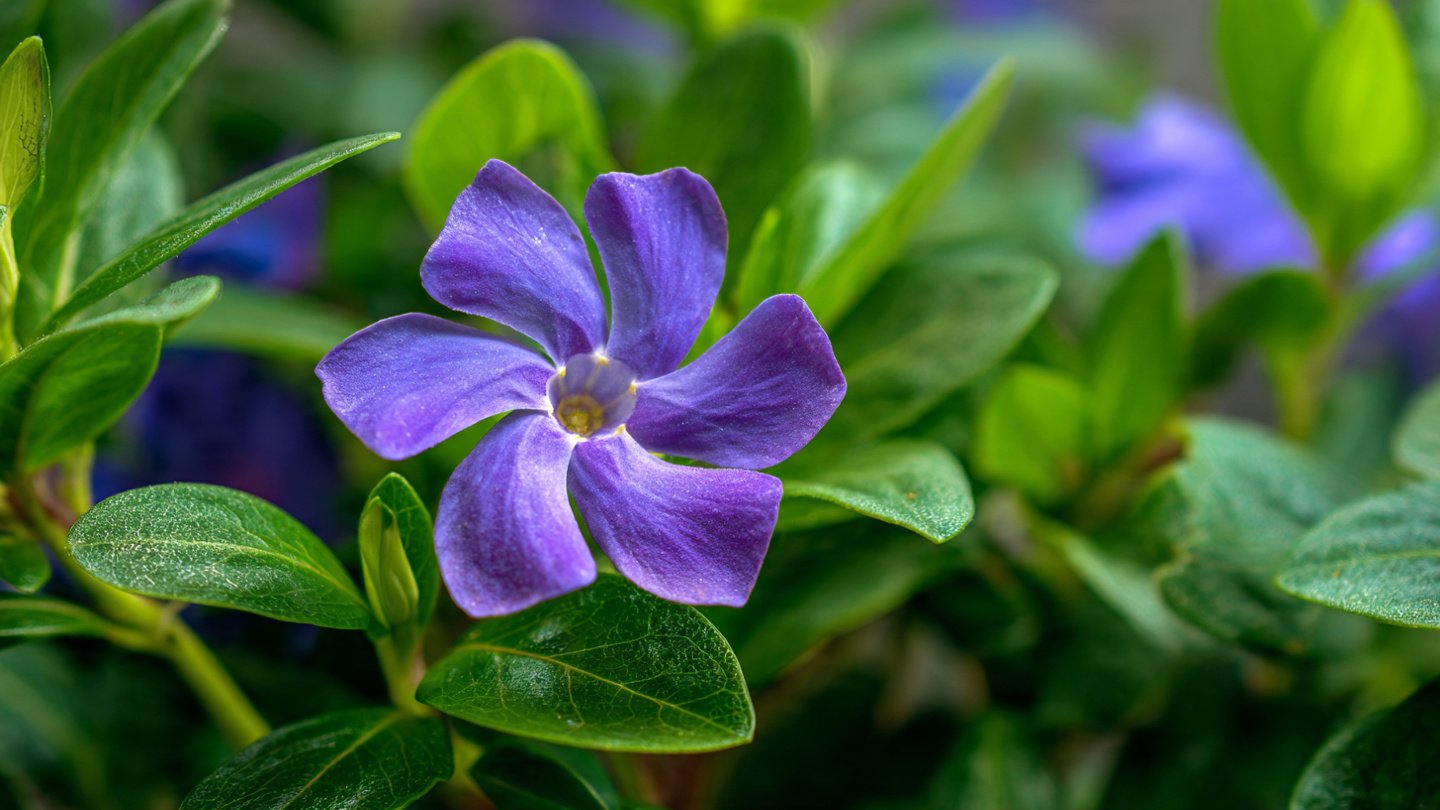
Periwinkle, known scientifically as Vinca minor or Vinca major, is a beautiful, hardy perennial flowering plant that thrives in various garden conditions. It’s often chosen for its low maintenance requirements and ability to spread quickly, making it an excellent ground cover. If you’re looking to expand your periwinkle garden or start fresh, propagating from cuttings is an easy and effective method. Here’s a comprehensive guide to help you succeed.
Understanding Periwinkle
Why Choose Periwinkle?
Latest Posts
- A Comprehensive Guide to Successfully Growing Grape Vines in Your Backyard for Beginners and Experts Alike
- Best Tips for Successful Mango Growth in Containers
- Discover the Simple Steps for Successfully Growing Coriander in a Pot
- Discovering the Ultimate Guide to Growing African Violets from Leaf Cuttings
- Simple Techniques for Successfully Growing Seedless Grapes in Home Gardens
- Ultimate Guide to Growing Balsam Plants Naturally for Vibrant Blooms
- Discover the Secrets to Growing Lush Leek Leaves with Simple Hacks for Beginners
- How to Successfully Cultivate Sweet Cherries in the Unique Climate of Canada
- The Ultimate Guide to Successfully Growing Beautiful Succulent Garden Plants at Home
- A Comprehensive Guide to Growing Dhania from Seeds for Beginners
- Attractive Foliage and Flowers: Periwinkle features glossy green leaves and charming blue or purple flowers that bloom from spring to fall.
- Ground Cover: It effectively suppresses weeds and prevents soil erosion, making it an excellent choice for shady areas or slopes.
- Hardiness: Periwinkle adapts well to diverse soil types and conditions, thriving in both sun and shade.
Preparing to Grow Periwinkle from Cuttings
Choosing the Right Time
The best time to take cuttings from periwinkle plants is in the spring or early summer when the plant is actively growing. This is when the cuttings will root the fastest.
Selecting the Right Tools
Before starting, gather the necessary tools and materials:
- Clean, sharp pruning scissors or shears
- A pot or tray with drainage holes
- A quality seed-starting mix or potting soil
- Water
- A clear plastic bag or a propagation dome (optional)
Identifying Healthy Plants
Choose a healthy, vigorous periwinkle plant as your source. Look for plants with lush foliage and abundant blooms. Avoid any plants showing signs of disease or stress.

Taking Cuttings
Steps for Taking Cuttings
-
Select Stems: Look for non-flowering stems that are about 4 to 6 inches long. These should be firm but not woody.
-
Make the Cut: Using your pruning scissors, cut just below a leaf node (the point where a leaf attaches to the stem). This is where roots will develop.
-
Remove Lower Leaves: Trim off the lower leaves, leaving only 1-2 leaves at the top. This reduces moisture loss and focuses the plant’s energy on rooting.
Optional: Using Rooting Hormone
For enhanced rooting success, you may dip the cut end in rooting hormone powder before planting. Rooting hormones stimulate root growth and improve success rates, although many gardeners find cuttings can root well without it.
Planting the Cuttings
Preparing the Soil
-
Fill your pot or tray with seed-starting mix or potting soil. Ensure it’s light, airy, and drains well, allowing excess moisture to escape.
-
Moisten the soil lightly before planting.
Planting the Cuttings
-
Make a small hole in the soil with a pencil or your finger.
-
Insert the cut end of the cutting into the hole, ensuring at least one node is buried.
-
Firm the soil around the cutting to eliminate air pockets.
-
If you’re using multiple cuttings, space them about 2-4 inches apart.

Watering
Water the cuttings gently but thoroughly to establish moisture within the soil. Avoid waterlogging, which can cause rot.
Creating the Ideal Environment
Providing Adequate Light
Place the cuttings in a bright, indirect light location. Direct sunlight can cause stress and wilting. A windowsill with filtered light is often ideal.
Maintaining Humidity
To promote rooting, cover the pot or tray with a clear plastic bag or a propagation dome to create a mini-greenhouse effect. If you opt for a bag, ensure it’s not touching the leaves, and open it periodically to prevent mold and allow airflow.
Temperature
Aim for temperatures between 65°F and 75°F (18°C to 24°C). Keeping the environment warm but not too hot fosters quicker root development.
Caring for the Cuttings
Regularly Check Moisture
Monitor the soil moisture levels regularly. It should be kept consistently moist but not soggy. Water as needed, especially in warmer conditions that may dry out the soil.
Airing Out
If you’ve used a plastic bag or dome, remember to remove it for short periods regularly to let the cuttings breathe and prevent mold or mildew.
Removal of Dead or Yellowing Leaves
Check for any leaves that are turning yellow or wilting. Removing these promptly helps prevent disease spread and allows the cutting to focus energy on new root growth.
Timing for Transplanting
Checking for Roots
After about 4 to 6 weeks, gently tug on the cuttings. If you feel resistance, it’s a sign that roots are developing. Roots should be around 2-3 inches long for successful transplanting.
When to Transplant
Once the cuttings establish roots, it’s time to transplant them into larger pots or directly into your garden. Choose a cloudy day or late afternoon to prevent shock from the sun.
- Dig a hole slightly larger than the root ball.
- Place the cutting in the hole and backfill with soil.
- Water thoroughly to eliminate air pockets around the roots.
Ongoing Care in the Garden
Choosing the Right Location
-
Sun or Shade: Periwinkle prefers well-drained soil and can thrive in full sun or partial shade. Evaluate your garden conditions before planting.
-
Space: If you’re using periwinkle as a ground cover, they can be planted close together (12-24 inches apart), allowing them to spread.
Watering and Fertilizing

While periwinkle is drought-tolerant, providing consistent moisture, particularly during the first season, aids establishment. After that, moderate watering is usually sufficient.
-
Fertilization: Use a balanced, slow-release fertilizer in early spring to promote healthy growth.
-
Mulching: Apply a thin layer of mulch around your periwinkle to conserve moisture and suppress weeds.
Pruning
To maintain shape and health, prune the periwinkle after flowering. This encourages bushier growth and removes any dead or diseased stems.
Troubleshooting
Common Issues
-
Pests: Keep an eye out for common pests such as aphids or spider mites. Insecticidal soap can be effective for treatment.
-
Diseases: Fungal infections may occur if overly damp. Ensure proper spacing and air circulation around plants.
Yellowing Leaves
If leaves turn yellow, check for overwatering or nutrient deficiencies. Adjust watering practices, and consider a balanced fertilizer if needed.
FAQs
1. How long does it take for periwinkle cuttings to root?
Typically, it takes 4 to 6 weeks for periwinkle cuttings to establish roots under ideal conditions.

2. Can I grow periwinkle from seed?
Yes, but it’s more common to propagate periwinkle using cuttings due to the ease and reliability of the method.
3. Is periwinkle invasive?
Vinca minor can become invasive in some areas. Always check local regulations and consider the ecological impact when planting.
4. Can periwinkle thrive in poor soil?
Periwinkle is adaptable and can thrive in various soil types, but it prefers well-drained soil. Good preparation will help improve growth.
5. How often should I water my periwinkle?
During the first season, keep the soil consistently moist. After establishment, periwinkle is drought-tolerant and generally requires watering only during prolonged dry spells.
6. Are periwinkle plants toxic to pets?
Yes, periwinkle contains compounds that can be toxic to cats and dogs if ingested. Always monitor your pets around the plant.
7. Can I propagate periwinkle in water?
While it’s possible to root cuttings in water, it’s recommended to plant them directly in soil for better success rates.
Conclusion
Growing periwinkle from cuttings is an effortless and rewarding process that can enhance the beauty of your garden. With its attractive flowers and numerous benefits, periwinkle is a favorite among gardeners. By following the steps outlined in this guide, you can enjoy a flourishing periwinkle patch in no time. Whether you’re a seasoned gardener or a beginner, periwinkle serves as an excellent addition to any garden landscape. Happy planting!