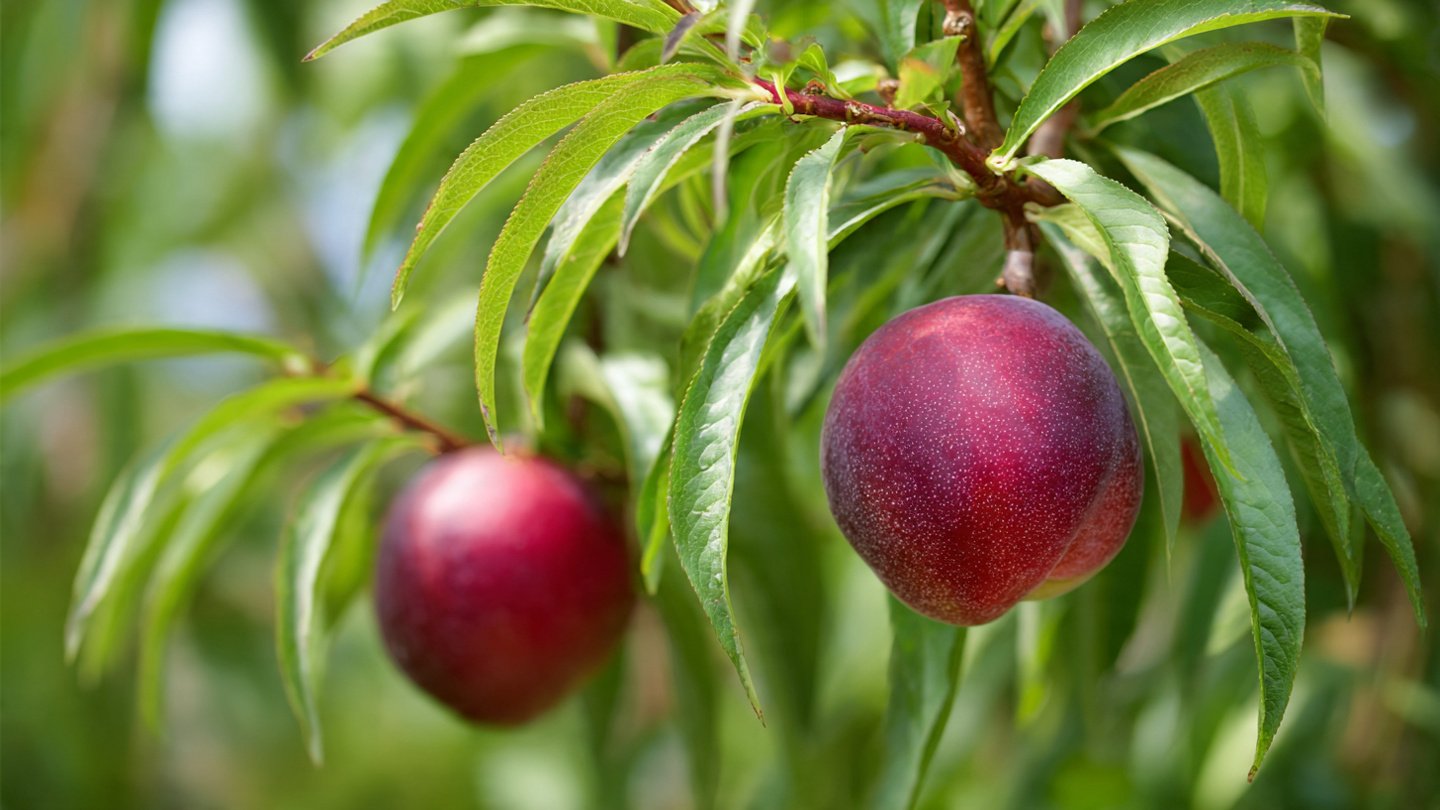
Growing a nectarine tree in your backyard is a rewarding endeavor that can provide you with fresh, juicy fruits right at your doorstep. This guide will walk you through the essential steps to successfully cultivate a healthy nectarines tree, including planting, care, and harvesting. Whether you are a seasoned gardener or a novice, you can enjoy the delightful taste of homegrown nectarines.
Understanding Nectarine Trees
Nectarines (Prunus persica var. nucipersica) are a variety of peach tree, distinguished by their smooth skin. They thrive in warm climates and are cherished for their sweet, aromatic fruits that can be eaten fresh or used in various recipes. Nectarine trees can grow up to 15-25 feet tall and require consistent care for optimal fruit production.
Latest Posts
- A Comprehensive Guide to Successfully Growing Grape Vines in Your Backyard for Beginners and Experts Alike
- Best Tips for Successful Mango Growth in Containers
- Discover the Simple Steps for Successfully Growing Coriander in a Pot
- Discovering the Ultimate Guide to Growing African Violets from Leaf Cuttings
- Simple Techniques for Successfully Growing Seedless Grapes in Home Gardens
- Ultimate Guide to Growing Balsam Plants Naturally for Vibrant Blooms
- Discover the Secrets to Growing Lush Leek Leaves with Simple Hacks for Beginners
- How to Successfully Cultivate Sweet Cherries in the Unique Climate of Canada
- The Ultimate Guide to Successfully Growing Beautiful Succulent Garden Plants at Home
- A Comprehensive Guide to Growing Dhania from Seeds for Beginners
Choosing the Right Variety
When selecting a nectarine variety, consider your climate and intended use. Some popular varieties include:
- Fantasia: Known for its large fruit and excellent flavor.
- Sun Grand: Early-season variety with juicy flesh.
- Snow Queen: Good for colder areas, with a sweet taste.
Research the varieties that are suited to your local climate and soil conditions.
Site Selection
Choosing the right location for your nectarine tree is critical for its growth:

- Sunlight: Nectarines require full sun, ideally 6-8 hours of direct sunlight daily, to produce sweet fruits.
- Soil: Well-draining, loamy soil with a pH of 6.0-7.0 is ideal. Check drainage by digging a hole about 12 inches deep and filling it with water; if it drains within 2-3 hours, the soil is suitable.
- Space: Ensure there’s enough room for air circulation and growth. Space your trees at least 15-20 feet apart.
Planting Your Nectarine Tree
Step 1: Timing
The best time to plant a nectarine tree is in early spring or fall, when temperatures are milder. Avoid planting during hot summer months.
Step 2: Preparing the Soil
- Soil Amendments: Based on your soil test, you may need to add compost or well-rotted manure to enrich the soil.
- Digging the Hole: Dig a hole that is twice as wide and as deep as the root ball of your tree.
Step 3: Planting
- Positioning: Place the tree in the center of the hole, making sure the graft union (swelling on the trunk where the tree was grafted) is above soil level.
- Backfill: Fill in with soil, gently tamping down to remove air pockets.
- Watering: Water thoroughly after planting to help settle the soil.
Caring for Your Nectarine Tree
Once your tree is planted, ongoing care is crucial for its health and productivity.
Watering
- Initial Watering: During the first growing season, water your tree weekly if there is little rainfall.
- Established Trees: After the first year, reduce watering to every 2-4 weeks, adjusting according to rainfall and temperature.
Fertilizing
- Initial Fertilization: In the spring, apply a balanced fertilizer (10-10-10) to support growth.
- Annual Fertilization: Following the first year, apply a high-potassium fertilizer to promote fruit set in early spring.
Pruning
Pruning is essential for both tree health and fruit production:
- Timing: Prune in late winter or early spring before new growth begins.
- Technique: Remove dead or diseased wood, and thin out crowded branches. Aim to shape the tree into an open center to allow light penetration.
Pest and Disease Control
Be vigilant about pests and diseases, which can affect your tree:
- Common Pests: Aphids, spider mites, and caterpillars may invade. These can be managed with insecticidal soap or neem oil.
- Diseases: Watch for peach leaf curl and brown rot. Ensure good air circulation and remove affected leaves to prevent spread.
Mulching
Applying a layer of organic mulch (e.g., wood chips, straw) around the base of the tree helps retain moisture, suppress weeds, and improve soil health.
Harvesting Nectarines
Nectarines typically take 3-4 years to bear fruit. When harvesting:
- Timing: Nectarines are ready to pick when they are firm but yield slightly to pressure and have a rich color.
- Techniques: Gently twist the fruit to detach it from the tree, being careful not to damage the branches.
Storing Nectarines

To enjoy your harvest for longer:
- Room Temperature: Allow nectarines to ripen at room temperature away from direct sunlight.
- Refrigeration: Once ripe, store them in the refrigerator to extend freshness.
Frequently Asked Questions (FAQs)
1. What climate do nectarines grow best in?
Nectarines thrive in warm, temperate climates with well-defined seasons. They need chilling hours in winter to produce fruit effectively, making them suitable for U.S. hardiness zones 5-9.
2. Can I grow nectarines in a pot?
Yes, dwarf varieties of nectarine trees can be grown in large pots. Ensure the pot has adequate drainage and use high-quality potting soil. Keep an eye on watering needs, as container plants may dry out more rapidly.
3. How often should I water my nectarine tree?
During the first growing season, water weekly; after that, every 2-4 weeks should suffice, depending on rainfall and soil moisture.
4. What is the best fertilizer for nectarines?
A balanced fertilizer (10-10-10) during the initial growth period and a high-potassium fertilizer in spring once the tree is established is ideal for promoting fruit set.

5. How can I prevent pests and diseases?
Regularly inspect your tree for signs of pests and diseases. Ensure good air circulation through proper pruning and consider using organic pest control measures when needed.
6. When is the best time to prune my nectarine tree?
Prune in late winter or early spring before new growth begins to promote healthy growth and fruit production.
7. Why are my nectarines not producing fruit?
Several factors could contribute, including insufficient chilling hours, poor pollination, pest or disease issues, or improper care. Ensure your tree has adequate sun, water, and nutrients.
Conclusion
Growing a nectarine tree in your backyard can be a delightful experience, offering not only a beautiful addition to your garden but also delicious, homegrown fruit. By selecting the right variety, providing proper care, and maintaining good practices, you’ll be well on your way to enjoying your own nectarines. With patience and dedication, you can savor the sweet taste of success right from your own yard!