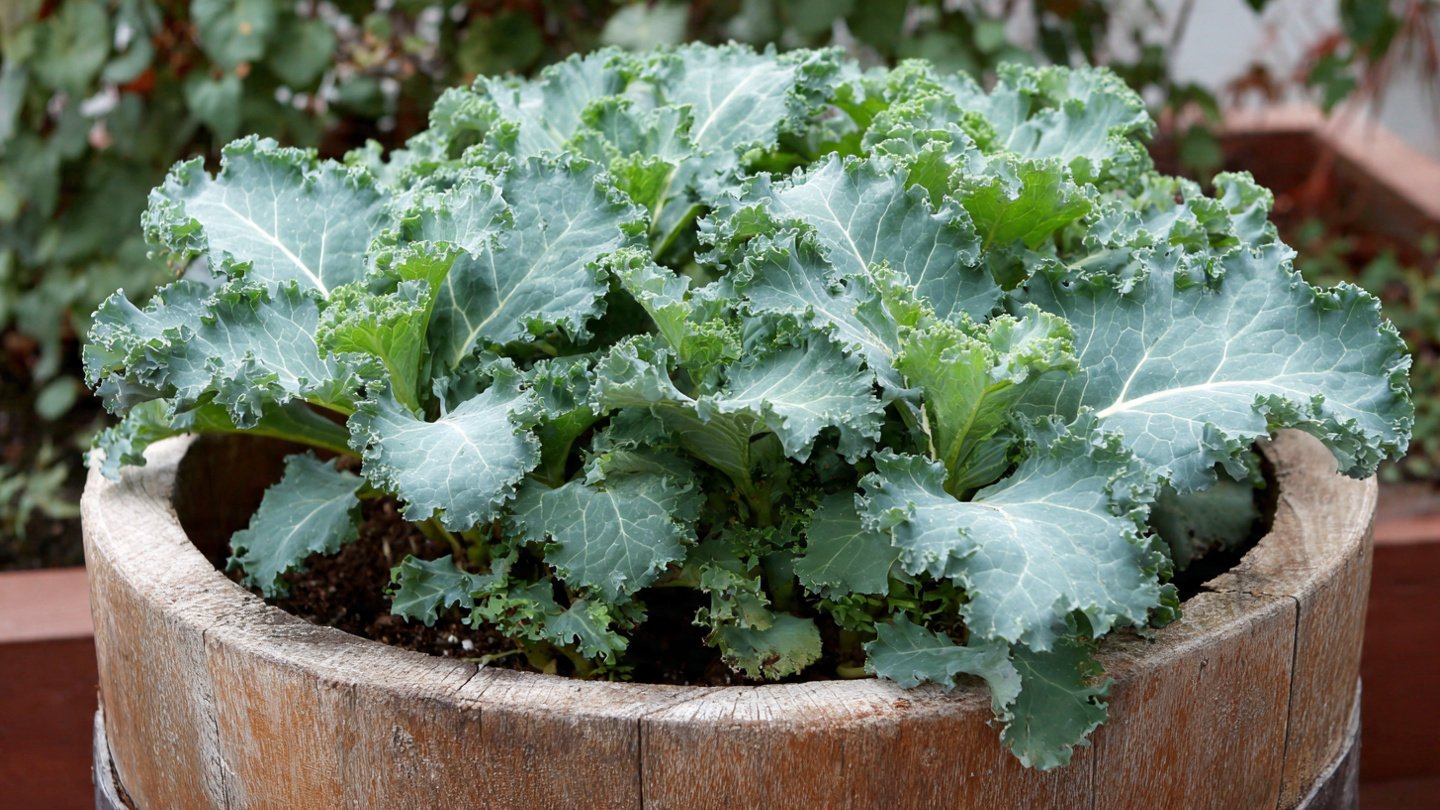
Kale, often considered a superfood, is a nutritious leafy green loaded with vitamins, minerals, and antioxidants. Known for its versatility in the kitchen, kale can be added to salads, smoothies, soups, and more. One of the best ways to enjoy this leafy green is to grow it at home, particularly in containers. This guide will walk you through everything you need to know about growing kale successfully in containers, so you can enjoy fresh harvests year-round.
Benefits of Growing Kale in Containers
Growing kale in containers has several advantages:
Latest Posts
- A Comprehensive Guide to Successfully Growing Grape Vines in Your Backyard for Beginners and Experts Alike
- Best Tips for Successful Mango Growth in Containers
- Discover the Simple Steps for Successfully Growing Coriander in a Pot
- Discovering the Ultimate Guide to Growing African Violets from Leaf Cuttings
- Simple Techniques for Successfully Growing Seedless Grapes in Home Gardens
- Ultimate Guide to Growing Balsam Plants Naturally for Vibrant Blooms
- Discover the Secrets to Growing Lush Leek Leaves with Simple Hacks for Beginners
- How to Successfully Cultivate Sweet Cherries in the Unique Climate of Canada
- The Ultimate Guide to Successfully Growing Beautiful Succulent Garden Plants at Home
- A Comprehensive Guide to Growing Dhania from Seeds for Beginners
- Space Efficiency: Container gardening is perfect for small spaces, such as balconies or patios.
- Mobility: Containers allow you to easily move your plants to take advantage of sunlight or protect them from harsh weather.
- Soil Control: You can control the soil type and quality, which is crucial for healthy growth.
- Pest Management: Growing in containers can minimize the risk of soil-borne pests and diseases.
- Extended Growing Season: You can bring containers indoors during cold months, allowing for year-round harvesting.
Choosing the Right Container
Size
Kale has a shallow root system, making it adaptable to various container sizes. A container with a depth of at least 12 inches and a diameter of 12 to 14 inches is ideal. This size allows enough room for root development while maintaining soil moisture.
Material
Containers can be made from various materials, including plastic, clay, wood, and metal. Each has its pros and cons:
- Plastic: Lightweight and easy to move, but may not retain moisture as well.
- Clay: Provides excellent drainage but can become quite heavy and may dry out quicker.
- Wood: Durable and aesthetically pleasing but can rot if not treated properly.
- Metal: Great for rustic charm, but can heat up quickly and affect soil temperature.
Drainage
Ensure that the containers have adequate drainage holes at the bottom. This prevents waterlogging, which can lead to root rot.
Choosing the Right Soil
Kale thrives in well-draining, nutrient-rich soil. A high-quality potting mix enriched with organic matter is ideal. You can create your own mix using:
- 1 part peat moss or coconut coir: for aeration and moisture retention.
- 1 part perlite or vermiculite: to enhance drainage.
- 1 part compost: to provide nutrients.
pH Level
Kale prefers slightly acidic to neutral soil, with a pH between 6.0 and 7.0. Test your soil regularly if you’re reusing it, and amend it as necessary.
Planting Kale
Timing
Kale is a cool-weather crop, best planted in early spring or late summer for fall harvests. If you live in a region with mild winters, you can sow seeds directly in the soil or start seeds indoors.
Starting Seeds Indoors
- Sow Seeds: Start seeds indoors 4 to 6 weeks before the last frost date. Use seed trays or small pots filled with potting mix.
- Light: Place them in a bright, sunny spot or under grow lights to ensure proper germination.
- Transplanting: Once seedlings are 3 to 4 inches tall and outdoor temperatures are consistently above 40°F (4°C), transplant them into larger containers.
Direct Sowing
- Preparation: Moisten the potting soil before sowing.
- Sow Seeds: Plant seeds about 1/2 inch deep and 3 to 4 inches apart.
- Watering: Gently water the soil to avoid displacing the seeds.
Caring for Your Kale
Watering
Kale requires consistent moisture but hates soggy soil. Water your container when the top inch of soil feels dry to the touch. During hot weather, you may need to water more frequently, while cooler months may require less. Using a drip irrigation system or self-watering containers can help maintain optimal moisture levels.
Fertilizing
Kale is a heavy feeder and benefits from regular fertilization. Use a balanced, water-soluble fertilizer every 4 to 6 weeks. Organic options like fish emulsion or seaweed extract can also provide the necessary nutrients without chemical buildup.
Pruning
Regularly remove any yellow or damaged leaves to encourage new growth and improve air circulation. If your kale plants start to flower, known as “bolting,” you can pinch off the flowers to prolong leaf production.
Pest and Disease Management
Growing kale in containers can help reduce the risk of pests and diseases, but there are still some common issues to be aware of:
Pests
- Aphids: Small insects that suck plant juices can be controlled with insecticidal soap.
- Cabbage Worms: Hand-picking and introducing beneficial insects like ladybugs can help manage this pest.
- Slugs and Snails: Use barriers such as copper tape or diatomaceous earth around the base of your containers to deter them.
Diseases
Common diseases affecting kale include powdery mildew and downy mildew. Ensure good air circulation and avoid overhead watering to minimize fungal issues. If you do notice any signs of disease, remove affected leaves immediately and consider using organic fungicides.
Harvesting Kale
One of the delightful aspects of kale is that you can begin harvesting leaves once they reach about 6 to 8 inches in height, which usually occurs around 30 days after planting. Here’s how to properly harvest:
- Select Leaves: Choose the outer, older leaves first, leaving the center intact to allow new growth.
- Cutting: Use clean scissors or garden shears to cut the leaves, avoiding damage to the plant.
- Timing: Kale is best eaten fresh, but you can store harvested leaves in the refrigerator for up to a week. For optimal taste, harvest in the morning when leaves are crisp and full of moisture.
Growing Kale Year-Round
To harvest kale year-round, consider these tips:
Extend the Growing Season
- Succession Planting: Sow new seeds every few weeks to ensure a continuous supply.
- Cold Frames: Use cold frames or row covers to protect plants during colder months.
- Indoor Gardening: If outdoor conditions become too harsh, transplant your containers indoors near a sunny window or under grow lights.
Choosing Hardy Varieties
Certain kale varieties, such as Lacinato (or Dinosaur kale), Curly (such as Winterbor), and Red Russian, are particularly hardy and can withstand frost, making them suitable for year-round cultivation.
Conclusion
Growing kale in containers is a rewarding and straightforward gardening endeavor that offers numerous benefits, including fresh, nutritious harvests throughout the year. With the right container, soil, care, and attention to pests and diseases, you can enjoy this versatile superfood anytime. So why wait? Start your container garden today!
FAQs
1. How much sunlight does kale need?
Kale thrives with at least 6 hours of direct sunlight daily. However, it can tolerate partial shade, especially in hotter climates.
2. Can I grow kale indoors?
Yes, kale can be grown indoors, provided it has access to sufficient light, either from a sunny window or grow lights.
3. How often should I water kale?
Water your kale when the top inch of soil feels dry. During hot weather, this may be daily, while in cooler months, it may be less frequent.
4. What are the best companions for kale in containers?
Good companions for kale include herbs like chamomile and chives, as well as root vegetables like carrots and radishes, which do not compete for the same nutrients.
5. Is kale a perennial plant?
Kale is typically grown as an annual, though it can be a biennial in some climates. In warmer regions, it may survive the winter and produce seeds the following year.
6. Why are my kale leaves turning yellow?
Yellowing leaves can indicate several issues, such as overwatering, nitrogen deficiency, or pests. Inspect your plants and adjust watering and fertilization accordingly.
7. Can I freeze kale for later use?
Yes, kale can be blanched and frozen to preserve its nutrients and flavor. Store it in airtight containers or freezer bags to enjoy later.
Growing kale in containers is not just an accessible gardening option—it’s a delicious way to enhance your meals with fresh greens. Happy gardening!