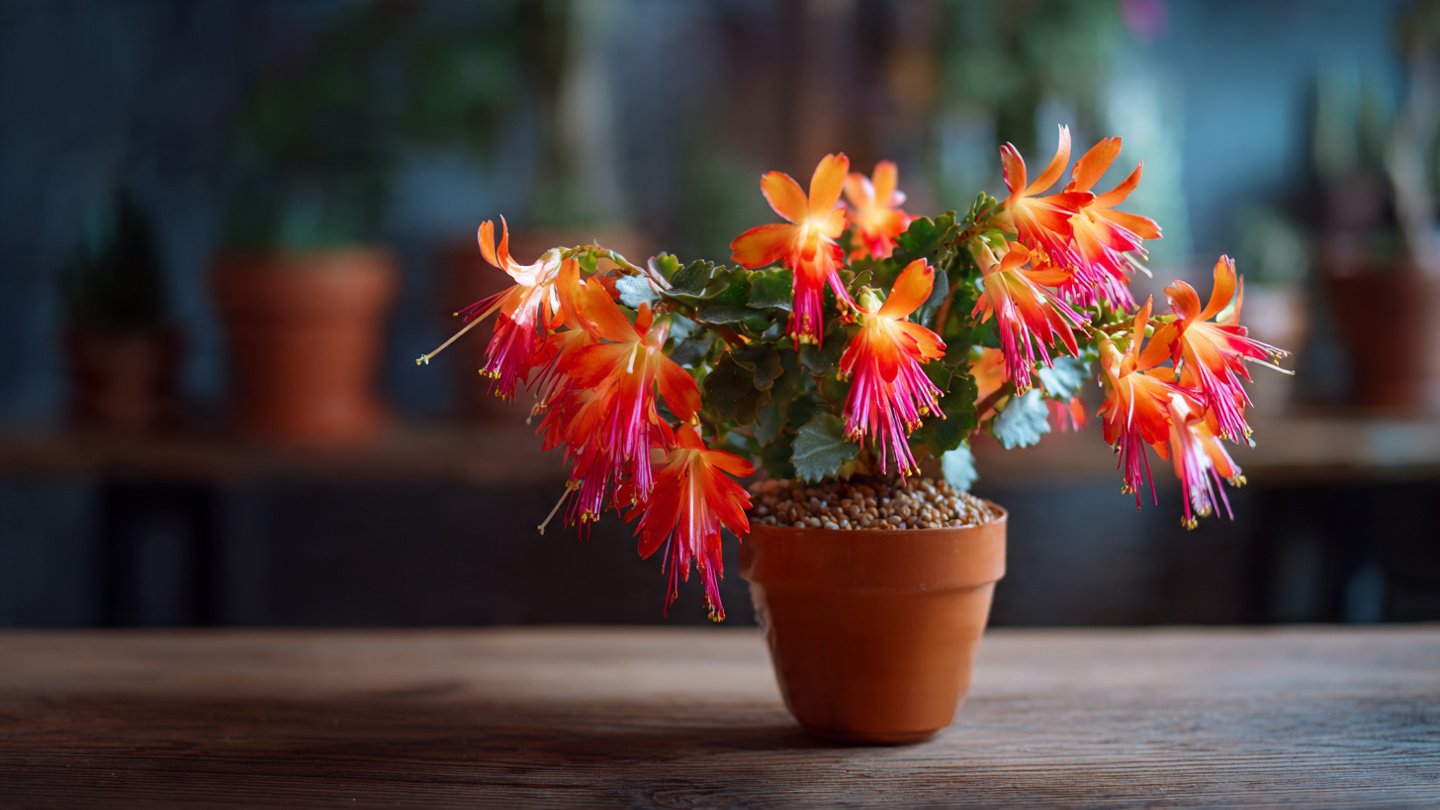
Flaming Katy, also known as Kalanchoe blossfeldiana, is a beautiful succulent that adorns many homes and gardens with its vibrant flowers and lush green foliage. With its easy care requirements, this plant can be a perfect addition to any plant lover’s collection. In this ultimate guide, we will explore the best practices for growing Flaming Katy successfully, covering everything from ideal growing conditions to troubleshooting common issues.
What is Flaming Katy?
Flaming Katy is a member of the Crassulaceae family, native to Madagascar. Characterized by its thick, fleshy leaves and clusters of small, colorful flowers that bloom primarily in winter and spring, the plant has become a popular choice among indoor plant aficionados. Its attractive appearance combined with minimal care requirements make it an ideal houseplant for both beginners and experienced gardeners.
Latest Posts
- A Comprehensive Guide to Successfully Growing Grape Vines in Your Backyard for Beginners and Experts Alike
- Best Tips for Successful Mango Growth in Containers
- Discover the Simple Steps for Successfully Growing Coriander in a Pot
- Discovering the Ultimate Guide to Growing African Violets from Leaf Cuttings
- Simple Techniques for Successfully Growing Seedless Grapes in Home Gardens
- Ultimate Guide to Growing Balsam Plants Naturally for Vibrant Blooms
- Discover the Secrets to Growing Lush Leek Leaves with Simple Hacks for Beginners
- How to Successfully Cultivate Sweet Cherries in the Unique Climate of Canada
- The Ultimate Guide to Successfully Growing Beautiful Succulent Garden Plants at Home
- A Comprehensive Guide to Growing Dhania from Seeds for Beginners
Ideal Growing Conditions
Light
Flaming Katy loves bright light. Place your plant near a south- or west-facing window where it can receive at least six hours of indirect sunlight daily. While it can tolerate lower light conditions, it may not bloom as profusely. If natural light is limited, consider using grow lights during the shorter days of winter.
Temperature
Flaming Katy thrives in temperatures between 60°F to 75°F (15°C to 24°C). It can tolerate slightly cooler temperatures, but be cautious of frost, which can damage the plant. Avoid placing it in drafty areas or near heating vents where temperature fluctuations may occur.
Humidity
As a succulent, Flaming Katy prefers low to moderate humidity levels. Ensure good air circulation around your plant and avoid placing it in overly humid environments, such as bathrooms or kitchens.
Soil
The right soil mix is crucial for the health of your Flaming Katy. A well-draining potting mix is essential to prevent root rot. Use a cactus or succulent soil mix, or create your own by mixing standard potting soil with perlite or sand to enhance drainage.

Watering Your Flaming Katy
Watering is one of the most critical aspects of care for Flaming Katy. Here are some guidelines:
Watering Schedule
Flaming Katy likes to dry out between watering sessions. During the growing season (spring and summer), water the plant thoroughly once every two weeks. In the fall and winter, reduce watering frequency to once a month, as the plant enters its dormant phase.
Signs of Overwatering
Overwatering can lead to root rot, a common problem with succulents. Signs include yellowing leaves, mushy stems, and a generally wilting appearance. If you suspect overwatering, allow the soil to dry out completely before watering again.
Signs of Underwatering
Underwatered Flaming Katy may exhibit signs such as shriveled leaves, drooping stems, and a general lack of vitality. If you notice these symptoms, give your plant a thorough watering and adjust your watering schedule.
Fertilization Tips
Although Flaming Katy is not a heavy feeder, fertilizing can help enhance its growth and flowering. Here’s how to fertilize effectively:
Type of Fertilizer
Use a diluted liquid fertilizer that’s high in phosphorus, which supports blooming. A balanced 10-10-10 fertilizer can also work during the growing season.

Fertilization Frequency
Fertilize your Flaming Katy every four to six weeks during the growing season (spring and summer). Stop fertilizing in the fall when the plant goes dormant.
Pruning and Deadheading
Pruning helps maintain the shape of your Flaming Katy and encourages new growth. Here’s how to do it effectively:
When and How to Prune
Prune your Flaming Katy after the flowering period, typically in early summer. Remove spent blooms and any leggy or damaged stems using clean, sharp scissors to prevent infection.
Deadheading
Deadheading, or removing spent flowers, can encourage more blooms. Do this promptly to keep the plant looking its best and to redirect energy into new growth.
Propagating Flaming Katy
If you want to expand your collection or share with friends, propagation is straightforward. Here are two common methods:
Leaf Cuttings
- Select a healthy leaf from the Flaming Katy.
- Cut the leaf at the base and allow it to dry for a few days until the cut end forms a callous.
- Plant the leaf in a potting mix specifically designed for succulents.
- Water lightly and place in bright indirect light. Roots should form in a few weeks.

Offsets
Flaming Katy often produces offsets or “pups.”
- Gently remove the offset from the main plant, ensuring it has roots.
- Allow the offset to dry for a day to prevent rot.
- Plant it in a new pot with suitable soil and care for it as you would a mature plant.
Common Pests and Diseases
Flaming Katy is relatively resilient against pests and diseases, but it’s essential to remain vigilant. Here are the most common issues:
Pests
- Mealybugs: These tiny white insects can cluster on the leaf joints. Treat infestations with insecticidal soap or neem oil.
- Spider Mites: Look for fine silk webs on the leaves. Increase the humidity level and consider using miticides if populations grow.
- Aphids: Small green or black insects can sap the plant’s strength. A strong stream of water can help dislodge them.
Diseases
- Root Rot: The most common disease in succulents, caused by overwatering. Ensure the pot has drainage holes and allow soil to dry between watering.
- Leaf Spot: Often caused by fungal infections due to excessive humidity. Remove affected leaves and ensure the plant is not overcrowded.
Tips for Successful Growth
- Rotation: Rotate your plant every few weeks for even light distribution, promoting a balanced shape.
- Repotting: Repot every 2-3 years in a slightly larger pot when the plant outgrows its current space.
- Temperature Awareness: Monitor temperature and relocate your Flaming Katy if temperatures drop below 50°F (10°C).
FAQs
1. Why are the leaves on my Flaming Katy turning yellow?
Yellow leaves can indicate overwatering or poor drainage. Ensure your pot has good drainage and allow the soil to dry out between waterings.
2. How long does Flaming Katy bloom?
Flaming Katy typically blooms for several weeks to a few months in the late winter and early spring.
3. Can I grow Flaming Katy outdoors?

Yes, but only in USDA hardiness zones 10-11. In cooler climates, it’s best to grow it indoors or as an annual outdoor plant.
4. How often should I water my Flaming Katy?
Water every two weeks during the growing season and once a month in the dormant season, making sure the soil dries out between waterings.
5. Is Flaming Katy toxic to pets?
Flaming Katy is considered low to mild toxicity. While it’s not highly toxic, ingestion could cause gastrointestinal upset in pets.
6. Do I need to prune my Flaming Katy?
Pruning is not necessary but recommended for shaping and enhancement of blooms. Prune after the blooming period has ended.
7. Can I propagate Flaming Katy in water?
Propagation in water is not recommended as succulents prefer well-draining soil to establish roots.
Conclusion
Flaming Katy is not just a lovely plant; it’s also incredibly easy to care for, making it ideal for both beginners and seasoned gardeners. By following the aforementioned tips on light, watering, soil, and pest management, you can enjoy its vibrant blooms and lush foliage for years to come. Happy gardening!