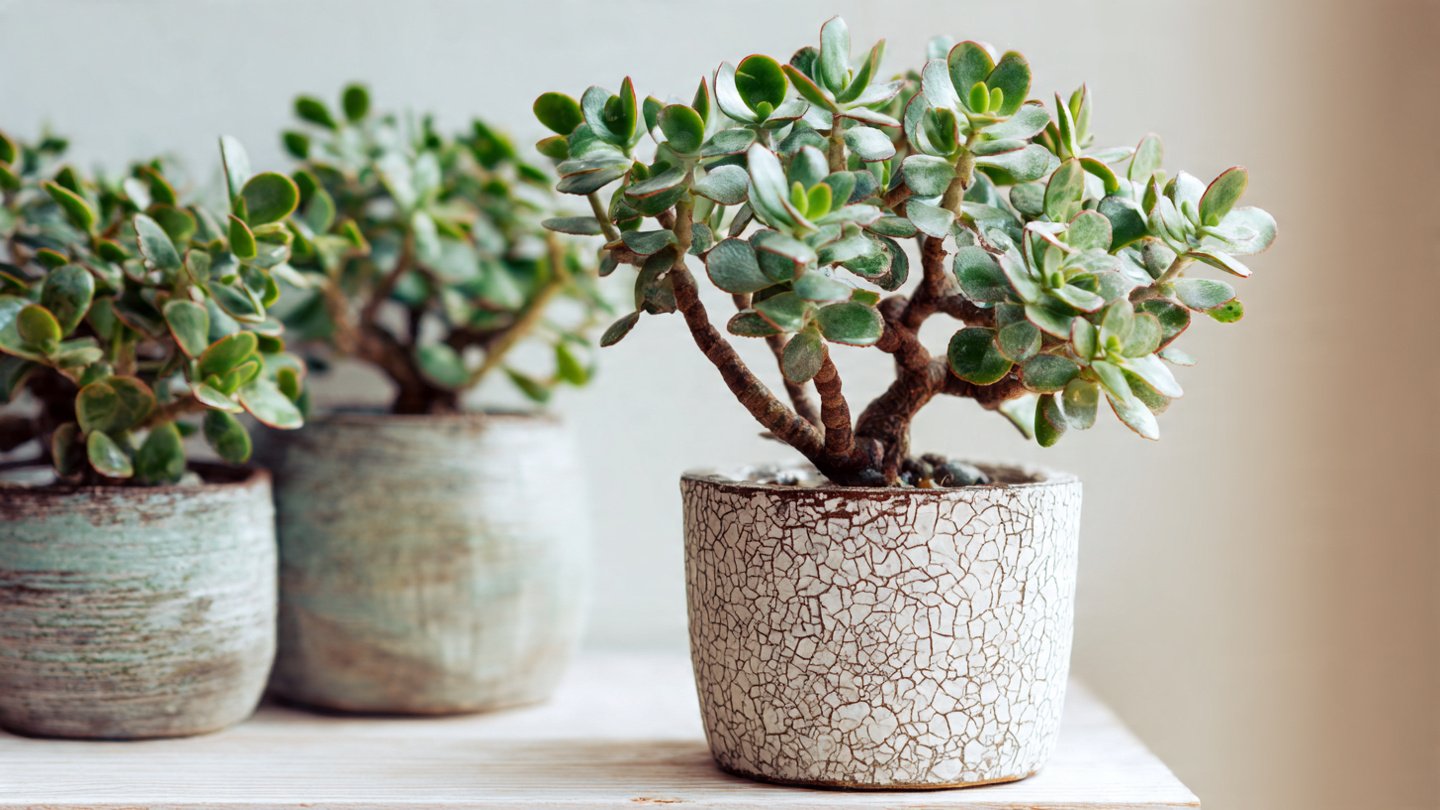
Jade plants, scientifically known as Crassula ovata, are succulents renowned for their stunning green leaves, ease of care, and ability to thrive in indoor environments. With their fleshy, glossy leaves that resemble jade, these plants bring a touch of nature inside while also contributing to the overall aesthetics of your home. This article will guide you through simple steps on how to cultivate jade plants successfully and incorporate them into your home decoration.
1. Understanding Jade Plants
Before diving into cultivation, it’s essential to understand what jade plants are and what they require. Native to South Africa, jade plants belong to the Crassulaceae family, which includes other popular succulents. These plants can grow to a height of approximately three feet and display small, star-shaped flowers under optimal conditions. Their resilience makes them an ideal choice for both novice and experienced gardeners alike.
Latest Posts
- A Comprehensive Guide to Successfully Growing Grape Vines in Your Backyard for Beginners and Experts Alike
- Best Tips for Successful Mango Growth in Containers
- Discover the Simple Steps for Successfully Growing Coriander in a Pot
- Discovering the Ultimate Guide to Growing African Violets from Leaf Cuttings
- Simple Techniques for Successfully Growing Seedless Grapes in Home Gardens
- Ultimate Guide to Growing Balsam Plants Naturally for Vibrant Blooms
- Discover the Secrets to Growing Lush Leek Leaves with Simple Hacks for Beginners
- How to Successfully Cultivate Sweet Cherries in the Unique Climate of Canada
- The Ultimate Guide to Successfully Growing Beautiful Succulent Garden Plants at Home
- A Comprehensive Guide to Growing Dhania from Seeds for Beginners
1.1 Benefits of Jade Plants
- Air Purification: Jade plants help purify indoor air, promoting a healthier living environment.
- Aesthetic Appeal: With their attractive structure, jade plants can enhance the decor of any space.
- Low Maintenance: Once established, jade plants require minimal care, making them perfect for busy individuals or those new to plant care.
- Symbol of Good Luck: In many cultures, jade plants are seen as a symbol of good luck and prosperity.
2. Choosing the Right Location
Selecting the perfect spot for your jade plant is crucial for its growth.
2.1 Light Requirements
Jade plants thrive in bright, indirect sunlight. If placed in a window, east or south-facing windows are ideal. Too much direct sunlight can scorch their leaves, while insufficient light may lead to leggy growth. Therefore, ensure that you find a balance.

2.2 Temperature and Humidity
Jade plants prefer temperatures between 65°F and 75°F (18°C and 24°C) during the day and slightly cooler temperatures at night. They are not frost-tolerant, so avoid placing them in areas with cold drafts or sudden temperature changes. As for humidity, jade plants appreciate low to moderate humidity levels, typical of most indoor environments.
3. Soil and Potting
A well-draining potting mix is essential for jade plants, as they are susceptible to root rot when overwatered.
3.1 Choosing the Right Soil
Opt for a cactus or succulent potting mix available at garden centers, or you can create a custom mix by combining standard potting soil with sand, perlite, or pumice in a 1:1 ratio. This will improve drainage and aeration.
3.2 Pot Selection
Use a pot with drainage holes to allow excess water to escape. Terracotta pots are excellent choices due to their porous nature, which aids in water evaporation. Always choose a pot that’s roughly one size larger than the current pot to provide enough room for growth.
4. Watering Your Jade Plant
One of the most important aspects of jade plant care is proper watering.
4.1 Establishing a Watering Schedule
4.1.1 Frequency
A general rule of thumb is to water your jade plant when the top inch of the soil feels dry. This usually translates to every 2-3 weeks but could vary based on humidity and temperature. During the dormant winter months, reduce watering to once a month or when the soil shows signs of drying out.
4.1.2 Watering Method
When watering, do so thoroughly until water drains out of the bottom of the pot. Avoid letting the plant sit in standing water, as this can lead to root rot. Always check that the pot has adequate drainage.
5. Fertilizing Jade Plants
While jade plants are not heavy feeders, some fertilization can support their growth, especially during the growing season.
5.1 Choosing the Right Fertilizer
Use a balanced, diluted liquid fertilizer (like a 10-10-10 NPK) during the growing season (spring and summer). Fertilize once a month, ensuring the soil is moist before application to prevent root burn. Avoid fertilizing in the winter months when the plant is dormant.
6. Pruning and Propagating Jade Plants
Pruning helps maintain the shape and health of your jade plant, while propagation is an excellent way to expand your collection.
6.1 Pruning Techniques
When pruning, use clean, sharp scissors or pruning shears. Remove any dead or yellowing leaves and trim leggy branches to encourage bushier growth. Regularly inspecting your plant for pests or diseases will also help keep it healthy.
6.2 Propagation Methods
Jade plants can be easily propagated through leaf or stem cuttings. Here’s how:
- Leaf Cuttings: Select a healthy leaf and allow it to dry for a few days to form a callus. Afterward, place it in well-draining soil, and mist lightly to promote rooting.
- Stem Cuttings: Take a 3-4 inch cutting from a healthy stem. Let it dry for a few days to form a callus. Plant it in the soil, keeping it slightly buried.
Both methods can result in new plants, which will take a few weeks to establish roots.
7. Common Pests and Problems
Despite being hardy, jade plants can face issues like pests or diseases.
7.1 Identifying Pests
Common pests include mealybugs, aphids, and spider mites. You can often spot them by looking for webbing or sticky residue on the leaves.
7.2 Treatment Options
- Physical Removal: Wipe off pests with a damp cloth or spray the plant with water.
- Insecticidal Soap: Use insecticidal soap or neem oil as a natural remedy to manage infestations.
7.3 Addressing Leaf Issues
If your jade plant’s leaves are turning yellow, it might be overwatered. Conversely, a lack of moisture can cause leaves to shrivel.
8. Decorating with Jade Plants
Jade plants are versatile and can enhance various areas of your home.
8.1 Display Ideas
- Window Sill: Place jade plants on window sills for optimal sunlight exposure.
- Shelving Units: Create an indoor garden by arranging jade plants on shelves with other succulents.
- Table Centerpieces: Use decorative pots to showcase jade plants as stunning table centerpieces.
8.2 Using Jade Plants for Feng Shui
In Feng Shui, jade plants symbolize prosperity and wealth. Placing them in the southeast corner of your home is believed to attract positive energy and abundance.
FAQ Section
1. How often should I water my jade plant?
Water your jade plant every 2-3 weeks, allowing the top inch of soil to dry out before watering again. In winter, reduce watering to about once a month.
2. Can jade plants survive in low light?
Jade plants prefer bright, indirect light. While they can survive in low light, their growth may become leggy, and they may not thrive.

3. What temperature is ideal for jade plants?
Jade plants thrive best in temperatures between 65°F and 75°F (18°C and 24°C). They should be kept away from frost and cold drafts.
4. How do I propagate jade plants?
You can propagate jade plants through leaf or stem cuttings. Allow the cuttings to dry and callous for a few days before planting them in well-draining soil.
5. What should I do if my jade plant leaves are turning yellow?
Yellowing leaves may indicate overwatering. Check the soil moisture and reduce watering if necessary. If the soil feels too wet, consider repotting into fresh, dry soil.
6. Are jade plants toxic to pets?
Yes, jade plants can be toxic to pets, particularly dogs and cats, if ingested. Keep them out of reach of pets.
Conclusion
Cultivating jade plants is a rewarding and straightforward endeavor that enhances your living space while providing numerous benefits. With the right care and attention, your jade plant can thrive, delivering beauty and a touch of tranquility to your home. By following the steps outlined in this guide, you can ensure that your jade plants flourish, turning your home into a vibrant and inviting haven. Happy gardening!