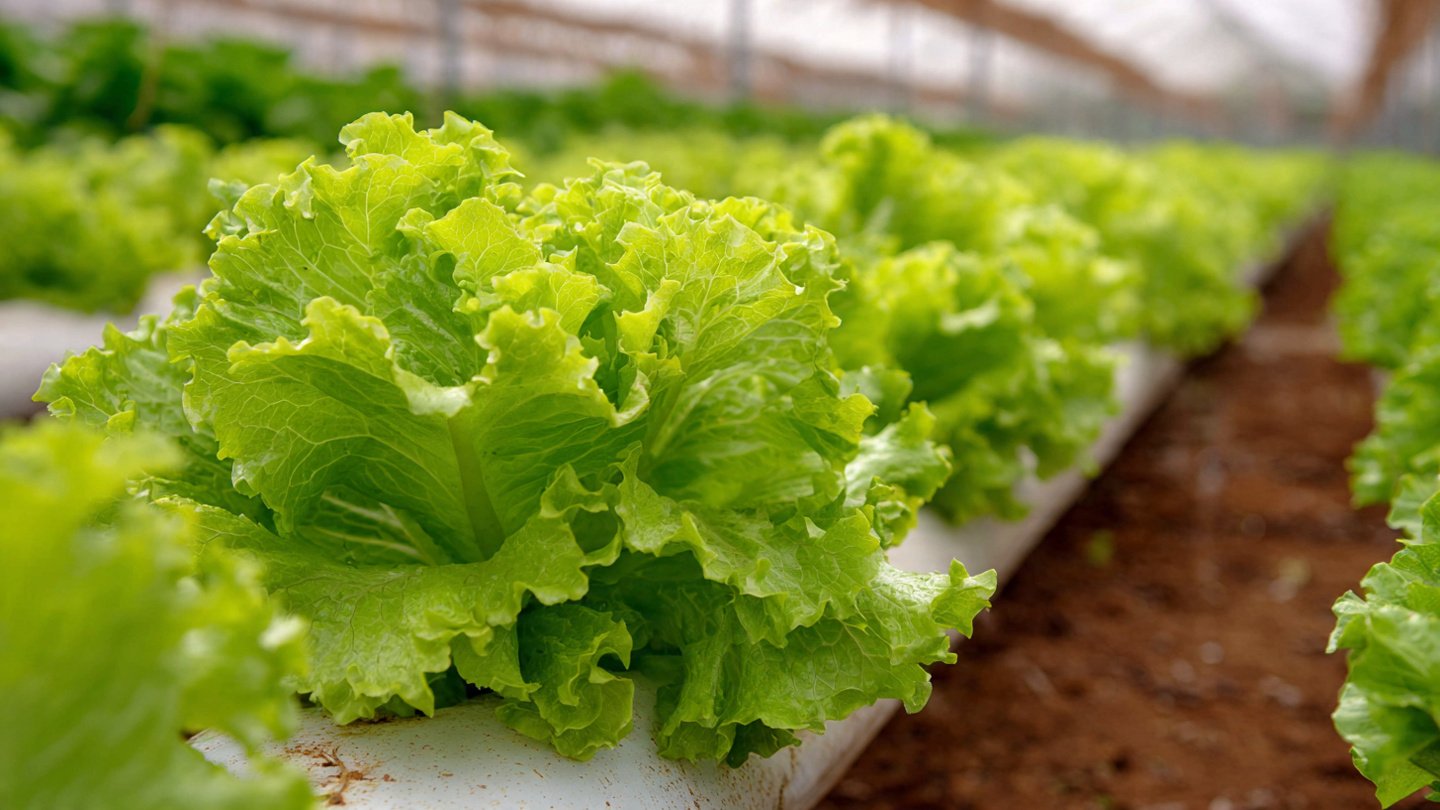
Growing your own lettuce is a rewarding experience that not only brings fresh greens to your kitchen but also allows you to enjoy gardening, even if you have limited space or time. This comprehensive guide will walk you through the essential steps to successfully grow lettuce at home, making it accessible for beginners.
1. Understanding Lettuce Varieties
Before you start planting, it’s important to understand the different types of lettuce you can grow:
- Leaf Lettuce: Easy to grow and ideal for successive harvests. Varieties include Butterhead and Romaine.
- Head Lettuce: Forms compact heads. Varieties often include Iceberg and Butterhead.
- Romaine Lettuce: Known for its crispy texture and elongated leaves, it is versatile for salads and sandwiches.
Selecting the right variety based on your taste preferences and growing conditions can set you up for success.
2. Gathering Your Supplies
To get started, you’ll need the following supplies:
- Seeds: Choose high-quality lettuce seeds from a trusted supplier.
- Containers or Garden Bed: If you’re using containers, ensure they are at least 6-8 inches deep.
- Potting Mix: Use a light, well-draining mix. Avoid garden soil as it can be too dense and may harbor pests.
- Watering Can or Spray Bottle: A gentle method is preferred for young seedlings.
3. Choosing the Right Location
Lettuce prefers full sunlight but can also tolerate partial shade. Here are some tips:
Latest Posts
- A Comprehensive Guide to Successfully Growing Grape Vines in Your Backyard for Beginners and Experts Alike
- Best Tips for Successful Mango Growth in Containers
- Discover the Simple Steps for Successfully Growing Coriander in a Pot
- Discovering the Ultimate Guide to Growing African Violets from Leaf Cuttings
- Simple Techniques for Successfully Growing Seedless Grapes in Home Gardens
- Ultimate Guide to Growing Balsam Plants Naturally for Vibrant Blooms
- Discover the Secrets to Growing Lush Leek Leaves with Simple Hacks for Beginners
- How to Successfully Cultivate Sweet Cherries in the Unique Climate of Canada
- The Ultimate Guide to Successfully Growing Beautiful Succulent Garden Plants at Home
- A Comprehensive Guide to Growing Dhania from Seeds for Beginners

- Sunlight: Aim for at least 6 hours of direct sunlight daily. A sunny balcony, patio, or garden area is ideal.
- Shade: In hotter climates, consider partial shade during the hottest part of the day to prevent bolting (premature flowering).
4. Preparing the Soil
Healthy, nutrient-rich soil is crucial for growing lettuce. Follow these steps:
- Container Preparation: If using containers, fill them with your potting mix, leaving about an inch of space from the top.
- Garden Bed Preparation: Loosen the soil with a garden fork or tiller, removing any weeds or debris. Mix in organic matter like compost to improve drainage and nutrients.
5. Planting Lettuce Seeds
Planting lettuce seeds is straightforward:
- Seed Depth: Sow seeds about 1/4 to 1/2 inch deep. If you’re planting several seeds, space them about 4-6 inches apart.
- Watering: Gently water the soil after planting to ensure moisture without washing the seeds away.
Direct Sowing vs. Indoor Seed Starting
Direct Sowing: Suitable for many regions, plant seeds directly in the garden bed or containers.
Indoor Seed Starting: Start seeds indoors 4-6 weeks before the last frost date. Transfer seedlings outdoors once they have at least 2-3 true leaves.
6. Watering and Care
Maintaining consistent moisture is vital:

- Watering Frequency: Water regularly, especially in dry conditions. Soil should remain moist but not waterlogged.
- Mulching: Adding a layer of organic mulch can help retain moisture and suppress weeds.
7. Fertilizing Your Lettuce
Fertilization can enhance growth; consider the following:
- Type of Fertilizer: A balanced, slow-release fertilizer is ideal. Follow package instructions for application rates.
- Application Timing: Fertilize when seedlings are about 4 weeks old and again when they begin to grow larger.
8. Pest and Disease Management
Lettuce can be susceptible to pests and diseases. Here’s how to manage them:
- Common Pests: Aphids, slugs, and snails. Handpicking or using organic pest sprays can help.
- Diseases: Fungal diseases can occur due to high humidity. Ensure good airflow and avoid overhead watering.
9. Harvesting Lettuce
Knowing when and how to harvest is crucial:
- Timing: Leaf lettuce can be harvested when the leaves are large enough to eat, typically around 4-6 weeks after planting. For head lettuce, wait until the heads are firm and fully developed.
- Method: Use scissors to cut leaves or the entire head. For leaf varieties, harvesting from the outside allows the inner leaves to continue growing.
Tips for Continuous Harvesting
Consider planting lettuce in intervals every 2-3 weeks to ensure a steady supply throughout the growing season.
10. Storing Your Harvest
To maximize freshness:
- Cleaning: Rinse harvested leaves under cool water and pat them dry.
- Storage: Store in a breathable produce bag in the refrigerator. Use within 5-7 days for the best taste and texture.
11. Troubleshooting Common Issues
Even with the best care, you might encounter challenges. Here are common issues and their solutions:
- Bolting: Caused by heat or stress. Choose heat-resistant varieties or provide some shade.
- Chalky Leaves: Often indicated by lack of nutrients or extreme temperatures. Ensure proper fertilization and watering.
Conclusion
Growing lettuce at home is not only easy but also a fun and rewarding endeavor. With a bit of patience and care, you can enjoy fresh, homegrown produce. Follow these easy steps, and soon you’ll be able to enjoy delicious salads made with your very own lettuce!
FAQs
Q1: How long does it take for lettuce to grow?
A1: Lettuce typically takes about 4-6 weeks from seeding to harvest, depending on the variety.
Q2: Can I grow lettuce indoors?
A2: Yes, lettuce can be grown indoors in pots or containers, provided they receive adequate light from grow lights or windows.
Q3: What is the ideal temperature for growing lettuce?
A3: Lettuce thrives in cooler temperatures, ideally between 60°F and 70°F. Hot weather can cause bolting and bitterness.

Q4: Can I grow lettuce from store-bought heads?
A4: Yes, you can root the base of a store-bought lettuce head in water for a few days to encourage new leaf growth.
Q5: What can I do if my lettuce is bitter?
A5: Bitter lettuce is often the result of stress. Ensure consistent watering and avoid high temperatures to minimize bitterness.
Q6: Is it necessary to use fertilizers?
A6: While not strictly necessary, using fertilizers can encourage healthier growth and higher yields. Aim for organic options if possible.
Q7: How should I space my lettuce plants?
A7: Space leaf lettuce about 4-6 inches apart; head lettuce should be spaced further depending on the variety, typically around 12 inches apart.
By following these steps and addressing your concerns through FAQs, you can cultivate a thriving lettuce garden, bringing fresh greens right to your table! Happy gardening!