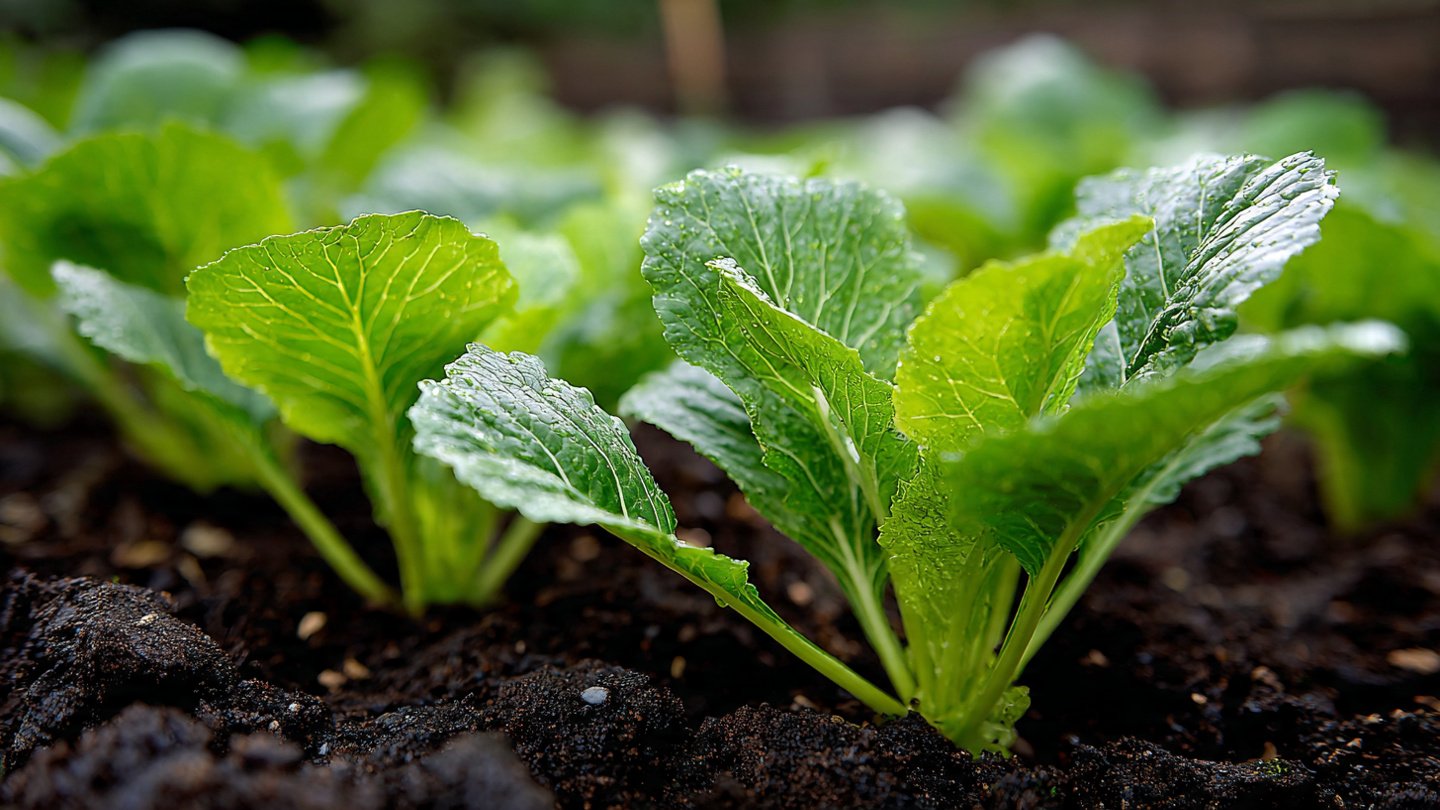
Mustard greens (Brassica juncea) are nutrient-rich, fast-growing leafy vegetables that can add a unique flavor and texture to your home garden. Known for their peppery taste and versatility in cooking, mustard greens are favored by chefs and home cooks alike. Whether you’re a seasoned gardener or just starting, cultivating mustard greens can be a rewarding experience. In this guide, we will explore everything you need to know about growing mustard greens, including planting, care, harvesting, and common pests and diseases.
Understanding Mustard Greens
Mustard greens belong to the Brassicaceae family, which includes other well-known vegetables like cabbage, broccoli, and kale. These leafy greens can vary in flavor from mild to sharp depending on the variety. They thrive in cooler weather and can be grown in spring and fall, making them suitable for a variety of climates.
Latest Posts
- A Comprehensive Guide to Successfully Growing Grape Vines in Your Backyard for Beginners and Experts Alike
- Best Tips for Successful Mango Growth in Containers
- Discover the Simple Steps for Successfully Growing Coriander in a Pot
- Discovering the Ultimate Guide to Growing African Violets from Leaf Cuttings
- Simple Techniques for Successfully Growing Seedless Grapes in Home Gardens
- Ultimate Guide to Growing Balsam Plants Naturally for Vibrant Blooms
- Discover the Secrets to Growing Lush Leek Leaves with Simple Hacks for Beginners
- How to Successfully Cultivate Sweet Cherries in the Unique Climate of Canada
- The Ultimate Guide to Successfully Growing Beautiful Succulent Garden Plants at Home
- A Comprehensive Guide to Growing Dhania from Seeds for Beginners
Choosing the Right Variety
When selecting mustard greens for your garden, consider the following popular varieties:
-
Southern Giant Curled: Known for its fringed, dark green leaves and exceptional cold tolerance.
-
White Mustard: Mild in flavor, making it suitable for salads and garnishes.
-
Red Giant: Offers a vibrant purple-colored leaf, adding visual interest to salads and cooked dishes.
-
Tendergreen: A popular variety with soft, tender leaves that are perfect for sautéing.
Preparing Your Garden
1. Location: Mustard greens prefer full sun but can tolerate partial shade. Choose a location in your garden that receives at least 6 hours of sunlight daily.
2. Soil Preparation: Mustard greens thrive in well-drained, fertile soil with a pH range of 6.0 to 7.5. Before planting, amend your soil with compost or well-rotted manure to boost nutrients and improve texture. Test your soil if unsure of its pH and nutrient levels.
Planting Mustard Greens
1. Seeding Directly in the Ground:
-
Timing: Mustard greens are cool-season crops that can be sown in early spring (2-4 weeks before the last frost) or in early fall (6-8 weeks before the first frost).
-
Sowing: Plant seeds about ¼ to ½ inch deep and 1 inch apart in rows that are 18 to 24 inches apart. Water gently to avoid displacing the seeds.
2. Transplanting Seedlings: If you started seeds indoors, transplant seedlings outdoors when they are about 3-4 weeks old and have two sets of true leaves. Space them 12 to 18 inches apart for optimal growth.
Caring for Your Mustard Greens
Proper care is essential for the healthy growth of mustard greens. Here are the key aspects:
1. Watering: Mustard greens require consistent moisture, especially during dry spells. Water deeply once a week, ensuring the soil remains moist but not soggy. Morning is the ideal time to water to prevent mold growth.
2. Fertilizing: Apply a balanced fertilizer (such as a 10-10-10 NPK formula) 4-6 weeks after planting. Follow the manufacturer’s instructions for application rates.
3. Mulching: Use a layer of organic mulch around the plants to help retain moisture, suppress weeds, and maintain a consistent soil temperature.
4. Thinning: If seeds are sown directly, thin the seedlings to avoid overcrowding. This will prevent competition for nutrients and promote larger, healthier plants.
Pest and Disease Management
While mustard greens are generally hardy, they can be susceptible to certain pests and diseases. Being proactive can help safeguard your crop:
1. Common Pests:
- Aphids: These tiny insects can cluster on leaves. Use neem oil or insecticidal soap to deter them.
- Cabbage Loopers: Green caterpillars that chew holes in the leaves. Handpick or introduce beneficial insects like ladybugs.
- Flea Beetles: Small, shiny beetles that create tiny holes in the leaves. Use row covers to protect young plants.
2. Diseases:
- Downy Mildew: A fungal disease that causes yellowing leaves. Ensure good air circulation and avoid overhead watering.
- Black Rot: A bacterial infection that turns leaves yellow and blackens the veins. Practice crop rotation and remove infected plants immediately.
Harvesting Mustard Greens
Mustard greens can be harvested at various stages, depending on your preferences:
-
Baby Greens: For tender, mild flavor, harvest leaves when they are 3 to 4 inches long. This can be done about 25-30 days after planting.
-
Mature Leaves: For full flavor, allow the leaves to grow larger (6 to 12 inches) and harvest them when they reach the desired size, typically 40-60 days after planting.
-
Cutting: Use scissors or garden shears to cut the outer leaves, allowing the inner leaves to continue growing. This method encourages regrowth and provides multiple harvests.
Cooking with Mustard Greens
Mustard greens can be enjoyed in various culinary applications:
-
Sautéed: Quickly sauté with garlic and olive oil for a delicious side dish.
-
Salads: Use young, tender mustard greens in salads for a peppery kick.
-
Soups and Stews: Add them to soups for added flavor and nutrition.
-
Pickled: Ferment them for a tangy garnish.
FAQs
1. When is the best time to plant mustard greens?
- Mustard greens thrive in cooler temperatures, so the best times to plant are early spring and early fall.
2. How often should I water my mustard greens?
- Water deeply about once a week, but adjust based on rainfall and temperature. Ensure the soil remains consistently moist but not waterlogged.
3. Can I grow mustard greens in containers?
- Yes, mustard greens can be successfully grown in containers as long as they receive enough sunlight and have adequate drainage.
4. Are mustard greens frost-tolerant?
- Yes, mustard greens are quite frost-tolerant, which allows them to be harvested even after a light frost improves their flavor.
5. How do I prevent pests from attacking my mustard greens?
- Regularly inspect plants, use row covers when planting, and introduce beneficial insects like ladybugs to help control pest populations.
6. Can I eat mustard greens raw?
- Yes, young, tender leaves can be eaten raw in salads; however, mature leaves are best cooked to mellow their peppery flavor.
7. How long does it take to grow mustard greens from seed to harvest?
- Depending on the variety, mustard greens take about 30 to 60 days from seed to harvest.
Conclusion
Cultivating mustard greens in your home garden is both simple and rewarding. By following these guidelines, you can enjoy the rich flavors and nutritional benefits of these versatile greens. With just a little effort, you can enhance your meals and garden with this nutritious vegetable. Happy gardening!