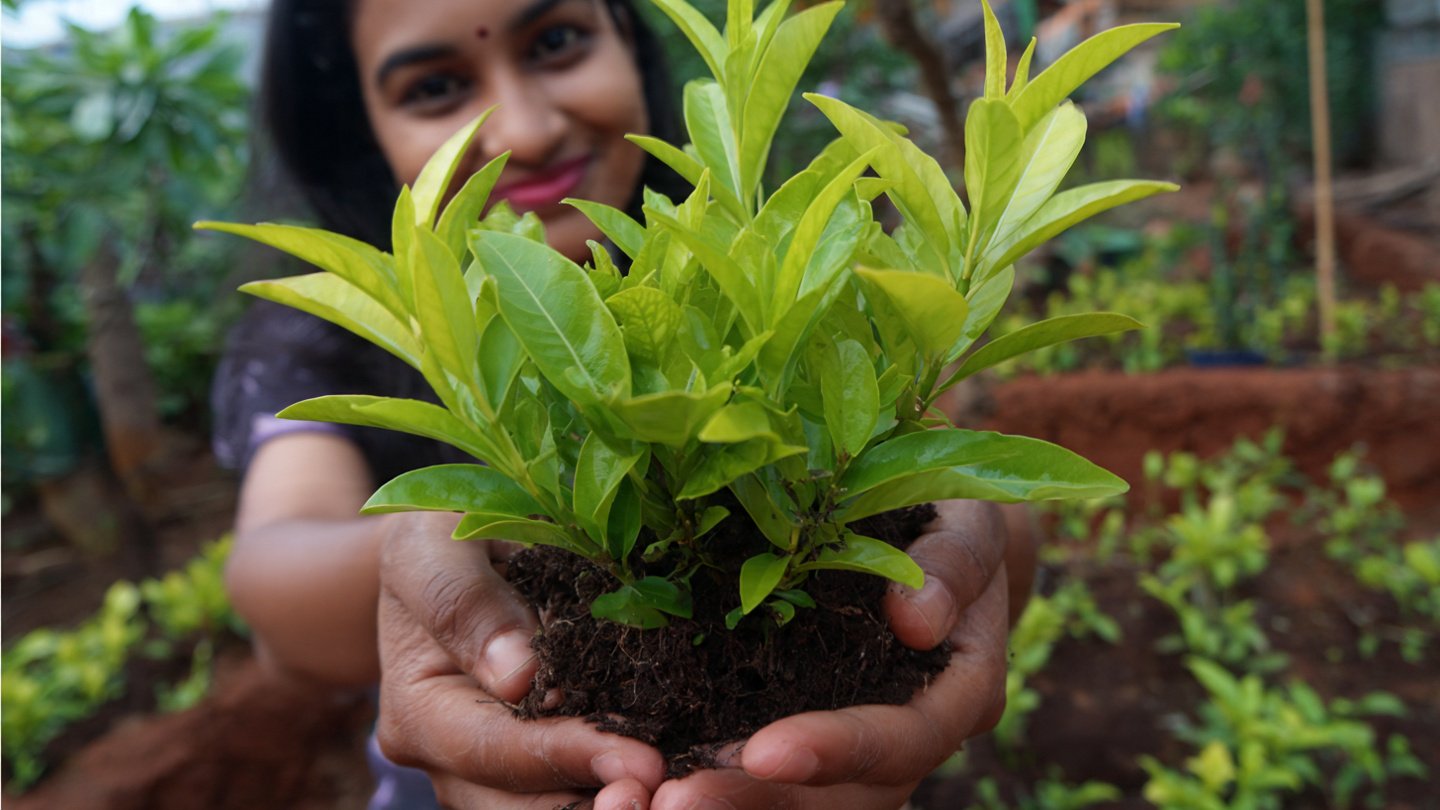
Sadabahar, commonly known as Vinca or Periwinkle, is a resilient and attractive plant popular for its vibrant flowers and lush foliage. It is often used in gardens and landscaping for its ability to thrive in various conditions and its impressive drought resistance. One of the easiest and most effective ways to propagate Sadabahar is through cuttings. In this article, we will explore the steps and techniques for successfully growing Sadabahar from cuttings, ensuring you can enjoy this beautiful plant in your garden.
Understanding Sadabahar
Overview of Sadabahar
Latest Posts
- A Comprehensive Guide to Successfully Growing Grape Vines in Your Backyard for Beginners and Experts Alike
- Best Tips for Successful Mango Growth in Containers
- Discover the Simple Steps for Successfully Growing Coriander in a Pot
- Discovering the Ultimate Guide to Growing African Violets from Leaf Cuttings
- Simple Techniques for Successfully Growing Seedless Grapes in Home Gardens
- Ultimate Guide to Growing Balsam Plants Naturally for Vibrant Blooms
- Discover the Secrets to Growing Lush Leek Leaves with Simple Hacks for Beginners
- How to Successfully Cultivate Sweet Cherries in the Unique Climate of Canada
- The Ultimate Guide to Successfully Growing Beautiful Succulent Garden Plants at Home
- A Comprehensive Guide to Growing Dhania from Seeds for Beginners
Sadabahar belongs to the Apocynaceae family and encompasses various species, including Vinca rosea (Madagascar Periwinkle) and Vinca minor (Common Periwinkle). The plant produces beautiful flowers in shades of pink, purple, white, and red, making it a favorite among gardeners. It thrives in warm climates and can often be found in tropical and subtropical regions.
Reasons to Grow Sadabahar
- Ornamental Value: The colorful blooms enhance any garden setting and can be used as borders, ground cover, or beautiful accents in flower beds.
- Low Maintenance: Once established, Sadabahar requires minimal care, making it suitable for busy gardeners or for those new to gardening.
- Medicinal Qualities: Certain species of Sadabahar possess medicinal properties and are often used in traditional medicine.
Propagation of Sadabahar from Cuttings
Ideal Time for Propagation
The best time to take cuttings of Sadabahar is during the spring or early summer when the plant is actively growing. This ensures that the cuttings have the best chance of rooting and establishing themselves before the cooler months.
Types of Cuttings
- Stem Cuttings: This is the most common method for propagating Sadabahar. Select healthy stems that are free from disease and pests.
- Leaf Cuttings: While less common, leaf cuttings can also be used, but they typically take longer to root and may be less reliable.

Tools and Materials
You will need the following tools and materials to begin:
- Sharp, clean pruning shears or scissors
- Rooting hormone (optional)
- Small pots or seed trays
- Well-draining potting mix (preferably with perlite or sand)
- Plastic bags or a humidity dome
- Labels and a marker
Step-by-Step Guide to Taking Cuttings
-
Select Healthy Stems:
- Choose a healthy, non-flowering stem that is about 4-6 inches long. Look for stems that are green and have several nodes.
-
Make the Cut:
- Use clean pruning shears to cut just below a leaf node. This is where the roots will emerge. Remove any leaves from the lower half of the cutting.
-
Apply Rooting Hormone (Optional):
- Dip the cut end of the stem in rooting hormone to promote faster root development. This step is optional but can improve success rates.
-
Prepare the Potting Mix:
- Fill small pots or trays with a well-draining potting mix. You can create your own by mixing equal parts of potting soil, perlite, and sand.
-
Plant the Cuttings:
- Make a small hole in the potting mix with your finger or a pencil. Insert the cut end of the cutting into the hole and gently press the mix around it to hold it in place.
-
Water the Cuttings:
- Gently water the cuttings to settle the soil. Ensure that the soil is moist but not soggy.
-
Create a Humid Environment:
- Cover the pots with a plastic bag or a humidity dome to retain moisture. Ensure that there’s some air circulation to prevent mold growth.
-
Place in Indirect Light:
- Position the pots in a location with bright, indirect sunlight. Avoid placing them in direct sunlight, as this can scorch the cuttings.
-
Monitor Moisture Levels:
- Check the soil regularly and keep it slightly moist. Remove the covering for a few hours daily to allow for air circulation.


After Care and Transplanting
-
Root Development:
- After about 4-6 weeks, gently tug on the cuttings to see if they have rooted. If you feel resistance, roots have formed!
-
Transplanting:
- Once roots are well-established, you can transplant the cuttings into larger pots or directly into the garden.
-
Acclimatization:

- If transplanting outdoors, acclimatize the young plants to outdoor conditions over a week. Start by placing them in shade and gradually introduce them to more sunlight.
-
Watering:
- After transplanting, water thoroughly and continue to monitor moisture levels until the new plants are established.
Common Issues to Watch For
Pests
- Aphids: These small insects can damage new leaves. Use insecticidal soap or neem oil to combat them.
- Spider Mites: Often found in dry conditions; treat with misting or appropriate miticides.
Diseases
- Fungal Infections: Overwatering can lead to root rot. Ensure pots have good drainage and reduce watering if needed.
- Powdery Mildew: This can occur in humid conditions. Improve air circulation and avoid overhead watering.
FAQs
Q1: How long does it take for Sadabahar cuttings to root?
A1: Typically, Sadabahar cuttings will root in about 4-6 weeks, though this can vary based on environmental conditions.
Q2: Can I grow Sadabahar cuttings in water instead of soil?

A2: While it’s possible to root cuttings in water, they generally establish better and transition more easily to soil.
Q3: How often should I water my Sadabahar cuttings?
A3: Water the cuttings when the top inch of soil feels dry. Avoid letting them sit in soggy soil.
Q4: What conditions are best for growing Sadabahar?
A4: Sadabahar prefers well-draining soil, plenty of sunlight (ideally 6 hours a day), and well-drained containers.
Q5: Can I grow Sadabahar indoors?
A5: Yes, Sadabahar can be grown indoors as long as it gets plenty of bright, indirect light and the right temperature.
Q6: Is Sadabahar toxic to pets?
A6: Yes, Sadabahar can be toxic to pets if ingested. Keep plants out of reach of curious animals.
Q7: How can I encourage more blooms on my Sadabahar plants?
A7: Regular deadheading (removing faded flowers) and ensuring adequate sunlight, water, and nutrients can encourage more blooms.
Conclusion
Growing Sadabahar from cuttings is a rewarding and relatively simple process, making it ideal for both novice and experienced gardeners. With the right techniques and care, you can successfully propagate this beautiful plant and enhance your garden with its enchanting flowers. By following the steps outlined in this guide and addressing common challenges, you can cultivate a thriving display of Sadabahar in your outdoor space. Whether in pots or flower beds, this lovely plant is sure to bring joy and vibrancy to your garden for years to come.