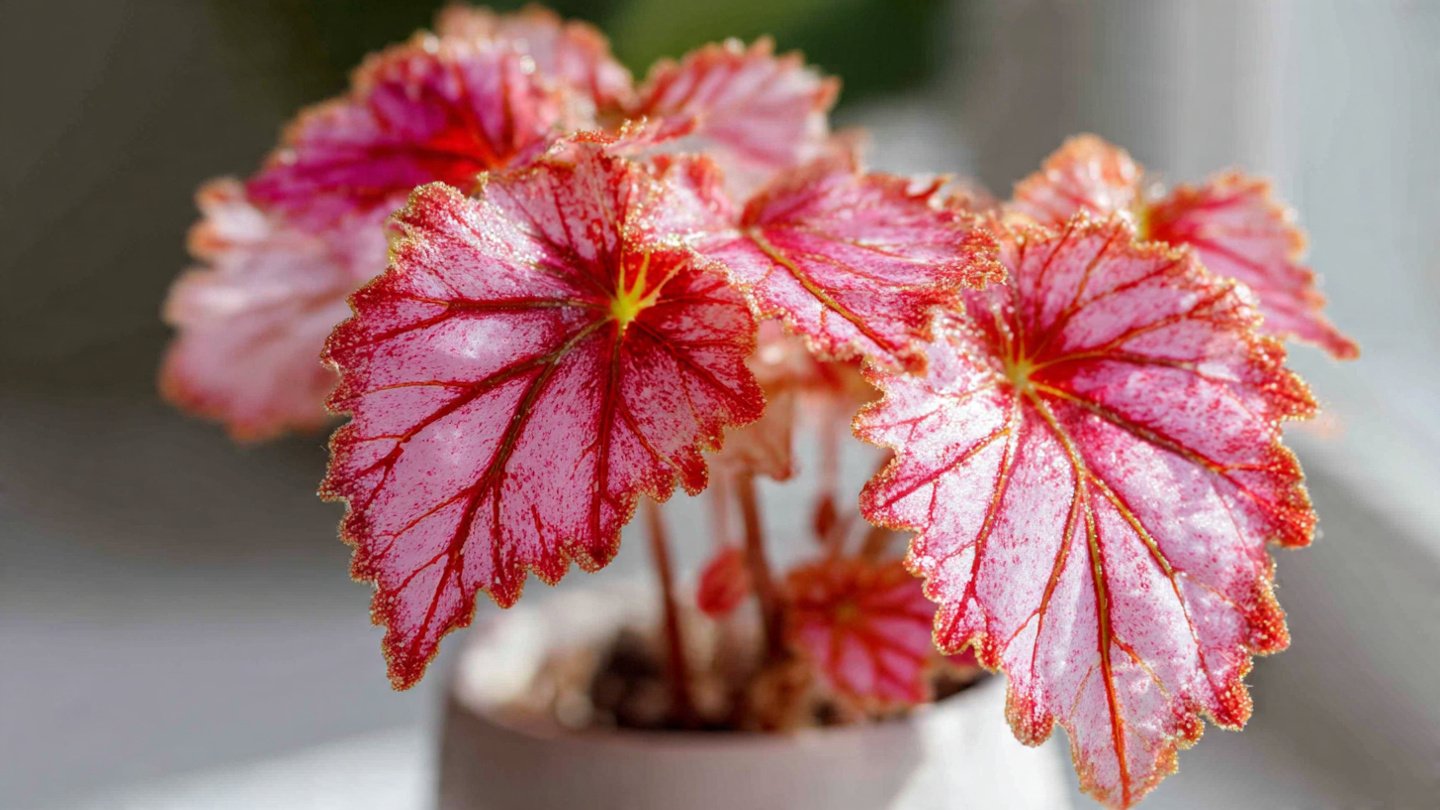
Rex Begonias are one of the most stunning and popular houseplants, renowned for their vibrant foliage and intricate leaf textures. Their ornamental beauty makes them a favorite for both novice and experienced gardeners. However, many may think that achieving this level of beauty requires extensive knowledge or a green thumb. Fortunately, Rex Begonias can thrive with minimal effort if you follow the right guidelines. This comprehensive guide will walk you through everything you need to know to grow Rex Begonias effortlessly while achieving maximum results.
Understanding Rex Begonias
Rex Begonias (Begonia rex) are native to the tropical regions of Asia, particularly India, where they have adapted to thrive in warm, humid environments. Their leaves come in various colors, including deep greens, silvers, reds, and purples, often featuring unique patterns. The beauty of Rex Begonias lies not just in the colors but also in their texture, with leaves that can be fuzzy, ruffled, or smooth.
Latest Posts
- A Comprehensive Guide to Successfully Growing Grape Vines in Your Backyard for Beginners and Experts Alike
- Best Tips for Successful Mango Growth in Containers
- Discover the Simple Steps for Successfully Growing Coriander in a Pot
- Discovering the Ultimate Guide to Growing African Violets from Leaf Cuttings
- Simple Techniques for Successfully Growing Seedless Grapes in Home Gardens
- Ultimate Guide to Growing Balsam Plants Naturally for Vibrant Blooms
- Discover the Secrets to Growing Lush Leek Leaves with Simple Hacks for Beginners
- How to Successfully Cultivate Sweet Cherries in the Unique Climate of Canada
- The Ultimate Guide to Successfully Growing Beautiful Succulent Garden Plants at Home
- A Comprehensive Guide to Growing Dhania from Seeds for Beginners
Characteristics
- Light Requirements: Bright, indirect light is ideal.
- Water Needs: Prefers consistently moist but not soggy soil.
- Humidity: Thrives in high humidity levels (60% or more is ideal).
- Temperature: Enjoys warmth, ideally ranging between 65°F to 75°F (18°C to 24°C).
Choosing the Right Rex Begonia
There are numerous varieties of Rex Begonias, each with distinct foliage characteristics. When selecting a Rex Begonia, consider the following:
Popular Varieties
- Rex ‘Escargot’: Known for its spiral leaf, resembling a snail shell.
- Rex ‘Silver Jewel’: Features a stunning silvery sheen and dark green veins.
- Rex ‘Fireworks’: Boasts bright red and green coloration that thrives well indoors.

When selecting a variety, think about your home’s lighting and humidity conditions as some varieties are more forgiving than others.
Optimal Conditions for Growth
Light
Rex Begonias thrive in bright, indirect sunlight. Direct sunlight can scorch their leaves, leading to unsightly browning or wilting. An east-facing window is ideal, while south or west-facing windows should have sheer curtains to diffuse direct sunlight.
Soil
A fast-draining potting mix is essential to prevent root rot. Consider using a mix designed for African violets or create your own by combining:
- 2 parts peat moss
- 1 part perlite
- 1 part pine bark or orchid mix
Watering

Over-watering is a common mistake with Rex Begonias. Water the plant when the top inch of soil dries out, ensuring that excess water can drain out of the pot. A good rule of thumb is to check the moisture level every 2 to 3 days. Use room-temperature water, as cold water can shock the roots.
Humidity
Rex Begonias flourish in high humidity levels. If your home is dry, especially during winter, you can maintain humidity by:
- Using a Humidifier: This is the most effective way to create a consistent high-humidity environment.
- Misting: Lightly misting the leaves can provide a temporary boost in humidity, though it’s essential not to do this too often.
- Pebble Trays: Place a layer of pebbles in a shallow tray filled with water and position the pot on top, ensuring the pot doesn’t sit in the water. As the water evaporates, it raises humidity around the plant.
Temperature
Rex Begonias prefer temperatures between 65°F to 75°F. Protect them from cold drafts and sudden temperature changes, which they are sensitive to. A consistent, warm environment promotes healthy growth.
Feeding Your Rex Begonia
Rex Begonias are not heavy feeders, but providing nutrients during the growing season (spring and summer) encourages vibrant foliage.
Fertilization Tips
- Use a Balanced Fertilizer: A diluted, water-soluble fertilizer like a 20-20-20 can be used every 2 to 4 weeks during the growing season.
- Avoid Over-fertilization: Too much fertilizer can lead to salt build-up in the soil, damaging the roots. Always follow the recommended dilution on the fertilizer packaging.

Pruning and Maintenance
Pruning helps maintain the shape and health of your Rex Begonia. Regularly check for dead or yellowing leaves and remove them with clean, sharp scissors to promote better growth and prevent disease.
Repotting
Rex Begonias typically need repotting every 18 to 24 months, especially if they outgrow their pot. This is best done in early spring. Choose a slightly larger pot with fresh potting mix for the best results.
Pests and Diseases
While Rex Begonias are relatively resistant to pests, they can be susceptible to mealybugs, aphids, and spider mites. Regularly inspecting your plant and using insecticidal soap or neem oil can help keep pests at bay.
Common Problems
- Leaf Yellowing: Often a sign of over-watering or inadequate light.
- Browning Edges: A sign of low humidity; increase humidity or adjust watering habits.
- Poor Growth: May indicate nutrient deficiency or root rot.
Troubleshooting Tips

- Inspect Regularly: Check leaves for pests or signs of distress.
- Adjust Care Accordingly: Be flexible with water, light, and humidity based on your plant’s needs.
- Move Locations if Necessary: If your plant shows signs of stress, try moving it to a different space to see if conditions improve.
Conclusion
By following these simple yet effective strategies, you can cultivate stunning Rex Begonias in your home with minimal effort. Remember that patience and observation are key. Each plant is unique, and by understanding its needs, you’ll be able to enjoy a vibrant display of foliage that enhances your living space.
FAQs About Growing Rex Begonia
1. How often should I water my Rex Begonia?
Water your Rex Begonia when the top inch of soil feels dry. This typically means watering once a week, but it might vary based on environmental conditions.
2. Can I grow Rex Begonias outdoors?
Rex Begonias thrive best indoors where conditions can be controlled. However, they can be placed outdoors in shaded areas during warm months if the temperatures remain conducive.
3. What type of fertilizer is best for Rex Begonias?
A balanced, water-soluble fertilizer (like 20-20-20) diluted to half strength is ideal for promoting growth during the growing season.

4. Why are the leaves of my Rex Begonia curling?
Curling leaves may indicate insufficient humidity or over-watering. Adjust your watering routine and consider increasing humidity levels around your plant.
5. Is it safe for pets?
Rex Begonias are toxic to pets if ingested. Keep them out of reach from animals and children.
6. How can I improve humidity levels in my home?
Utilizing a humidifier, misting your plant, or using pebble trays are effective methods to raise humidity levels around your Rex Begonia.
By following the tips and advice provided here, you’ll not only successfully grow Rex Begonias but also enjoy the incredible aesthetics they bring to your home. Happy gardening!