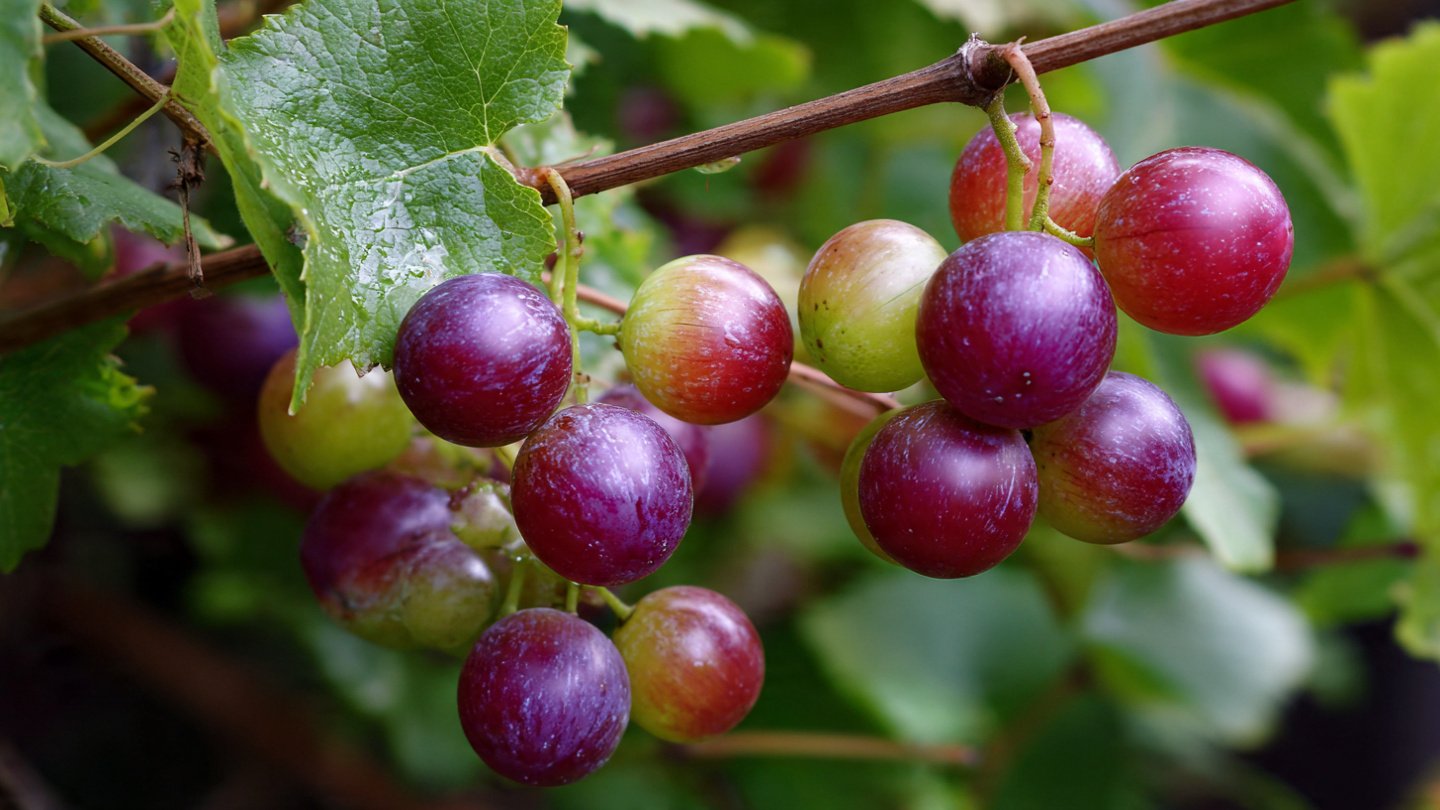
Muscadine grapes (Vitis rotundifolia) are native to the southeastern United States and are prized for their sweet and juicy flavor, making them a popular choice for home gardeners. These grapes are not only delicious but also resilient and require relatively low maintenance. In this comprehensive guide, we’ll explore how to grow muscadine grapes successfully, focusing on planting, care, harvesting, and maximizing yield.
Understanding Muscadine Grapes
Before diving into the growing process, it’s essential to understand what muscadine grapes are. They differ significantly from traditional table grapes in terms of taste, size, and ease of cultivation. Muscadines thrive in warm climates, preferring well-drained soils and ample sunlight. They are self-pollinating and can produce fruit with minimal effort, making them an excellent choice for home gardeners.
Latest Posts
- A Comprehensive Guide to Successfully Growing Grape Vines in Your Backyard for Beginners and Experts Alike
- Best Tips for Successful Mango Growth in Containers
- Discover the Simple Steps for Successfully Growing Coriander in a Pot
- Discovering the Ultimate Guide to Growing African Violets from Leaf Cuttings
- Simple Techniques for Successfully Growing Seedless Grapes in Home Gardens
- Ultimate Guide to Growing Balsam Plants Naturally for Vibrant Blooms
- Discover the Secrets to Growing Lush Leek Leaves with Simple Hacks for Beginners
- How to Successfully Cultivate Sweet Cherries in the Unique Climate of Canada
- The Ultimate Guide to Successfully Growing Beautiful Succulent Garden Plants at Home
- A Comprehensive Guide to Growing Dhania from Seeds for Beginners
Choosing the Right Variety
Muscadine grapes come in several varieties, each with unique characteristics. Here’s a quick overview:
- Black Varieties: ‘Black Beauty’ and ‘Noble’ are rich in flavor and are great for making wine.
- Green Varieties: ‘Carlos’ and ‘Sweet Jenny’ are milder and perfect for fresh eating.
- Bronze Varieties: ‘Southern Home’ and ‘Darlene’ are unique in taste and commonly used for jams and jellies.
Choosing the right variety depends on your climate, intended use (fresh eating, wine-making, or preserves), and personal taste preference.
Selecting the Planting Site
Sunlight and Soil Requirements

Muscadine grapes thrive best in full sun, ideally receiving at least six to eight hours of sunlight per day. Make sure you choose a location with good air circulation to minimize the risk of fungal diseases.
The soil should be well-draining and rich in organic matter. A pH level of 5.5 to 7.0 is ideal. Test your soil to determine its pH and nutrient levels, and amend it as necessary.
Space Considerations
Muscadine vines can spread significantly and require ample room to grow. Space the plants 8 to 12 feet apart to allow for their sprawling growth, and consider training them on a trellis, arbor, or fence to efficiently use vertical space.
Preparing for Planting
Planting Season
The best time to plant muscadine grapes is in the spring after the last frost. In warmer regions, you may also consider fall planting, but spring is generally more reliable.
Planting Method
Muscadine grapes can be planted as bare-root or container-grown plants. Here’s how to plant them:
- Dig the Hole: Prepare a hole that is twice as wide and deep as the root ball.
- Amend the Soil: Mix the excavated soil with compost or well-rotted manure to enrich it.
- Position the Plant: Place the vine in the hole, ensuring that the crown (where the roots meet the stem) is level with the surrounding soil.
- Backfill: Fill the hole with the amended soil, gently compacting it to remove air pockets.
- Watering: Water the plant thoroughly after planting.
Care and Maintenance
Watering
Muscadine grapes require consistent moisture, especially during the first year after planting. Water deeply once a week, allowing the soil to dry slightly between waterings. Once the plants are established, reduce watering frequency, but increase deep watering during hot months or drought conditions.
Fertilization
Fertilizing muscadine grapes depends on soil quality. A balanced fertilizer, such as a 10-10-10 formula, can be applied in early spring before new growth begins. Follow recommended application rates based on soil test results: generally, 1 to 2 pounds per 100 square feet is sufficient.
Pruning
Pruning is essential for maximizing yield and maintaining healthy plants. Prune muscadine vines in late winter or early spring while still dormant. Focus on removing dead or weak wood, and thin out excessive growth to encourage sunlight penetration and airflow. Leave about 2 to 4 buds on each shoot to promote fruitful growth.
Pest and Disease Management
Common Pests
Muscadine grapes are relatively pest-resistant, but common pests include:
- Spider Mites: Small and difficult to see, these can cause leaf discoloration. Control them with insecticidal soap.
- Japanese Beetles: Hand-picking can be effective, or use traps to reduce their numbers.
Diseases
Muscadines can be susceptible to diseases like powdery mildew and root rot:
- Powdery Mildew: Regularly inspect foliage and, if found, treat with fungicides.
- Root Rot: Ensure good drainage and avoid overwatering to prevent this condition.
Pollination and Fruiting
Muscadine grapes are mostly self-pollinating, meaning that one vine can produce fruit without needing another for cross-pollination. However, planting multiple varieties can improve yield and fruit quality. Flowers typically begin to bloom in late spring, and you’ll see fruit formation in summer.
Ripening Time
The time from flowering to harvest varies by variety, but muscadine grapes generally ripen in late summer to early fall. The grapes will change color, becoming darker and more aromatic as they ripen.
Harvesting Muscadine Grapes
Muscadine grapes are best harvested when they are fully ripe, which can be identified by their firm texture and rich color. Gently twist the grapes to detach them from the vine; avoid pulling to prevent damage to the plant.

Storage
Muscadine grapes can be stored in the refrigerator for a week to ten days. They can also be frozen, juiced, or used to make wine, jelly, or sauces, extending their use far beyond the growing season.
Maximizing Yield
To truly maximize your muscadine grape yield, consider the following tips:
- Proper Training: Train your vines on a trellis or support system to increase sunlight exposure and airflow.
- Regular Maintenance: Keep up with pruning, watering, and fertilizing schedules.
- Mulching: Apply a layer of mulch around the base of the vines to retain moisture and suppress weeds.
- Companion Planting: Planting flowers nearby can attract beneficial insects that pollinate the vines and control pests naturally.
FAQs About Growing Muscadine Grapes
1. How long does it take for muscadine grapes to produce fruit?
Muscadine grapevines typically take 2 to 3 years after planting to produce a significant crop.
2. Do muscadine grapes need to be cross-pollinated?

No, muscadine grapes are primarily self-pollinating, though planting different varieties can enhance fruit quality and yield.
3. How can I tell when my muscadine grapes are ripe?
Ripe muscadine grapes will change color and feel firm to the touch. Taste-testing is also a great way to determine ripeness!
4. Can muscadine grapes grow in pots?
Yes, muscadine grapes can be grown in large containers, but ensure they have ample space and support for their growth.
5. What pests are harmful to muscadine grapes?
Common pests include spider mites and Japanese beetles, but muscadines are generally resistant to many pests.
Conclusion
Growing muscadine grapes in your backyard can be a rewarding experience, providing you with an abundance of delicious fruit. With proper care and attention to detail—from selecting suitable varieties to managing pests and diseases—you can ensure a high yield. Whether you want to enjoy the grapes fresh, make preserves, or create your own wine, muscadine grapes are a fantastic choice for any home gardener. Start planning your muscadine garden today and enjoy the fruits of your labor for years to come!