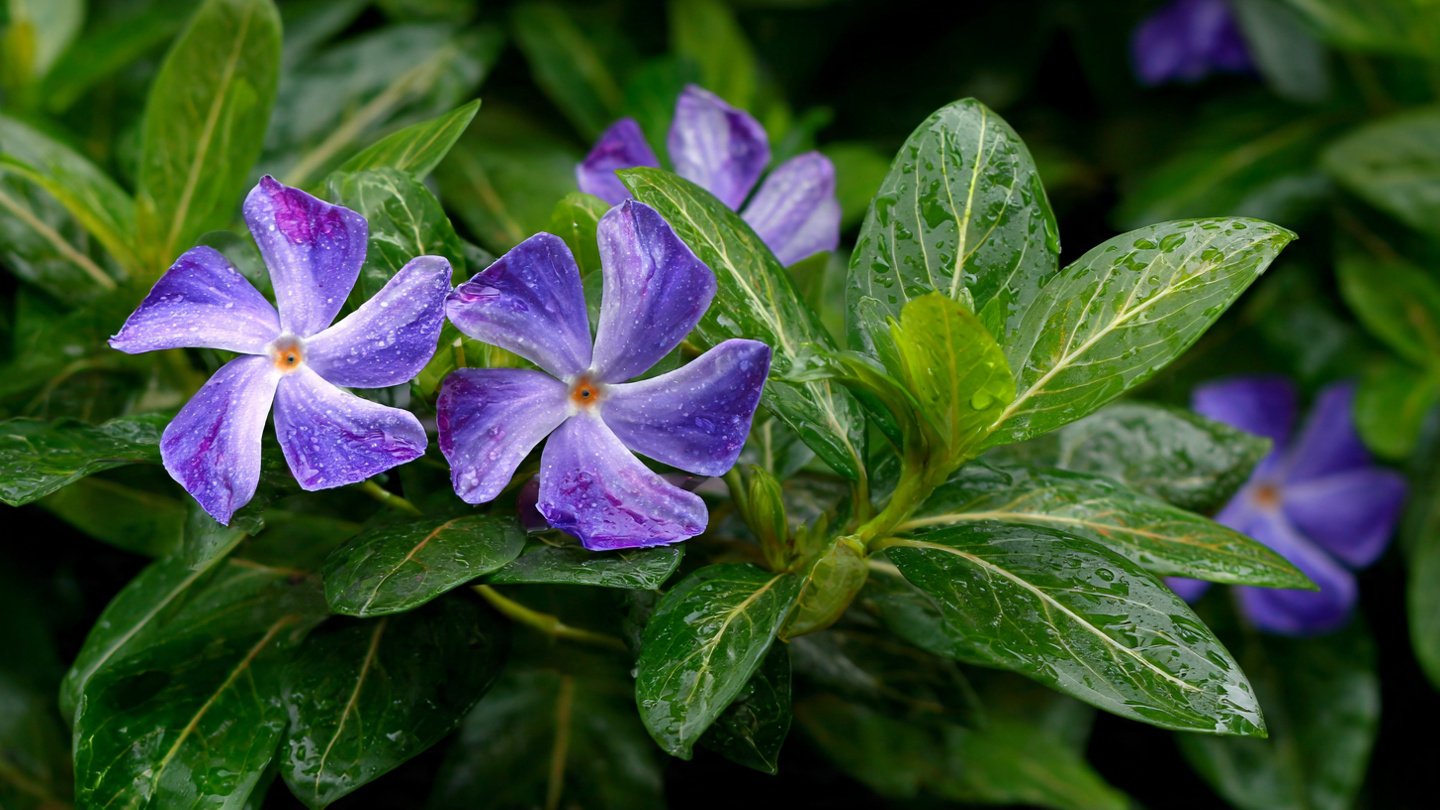
Periwinkle, commonly known as Sadabahar, is a perennial flowering plant cherished for its vibrant blooms and low maintenance needs. Originating from Madagascar, this hardy plant has gained popularity in gardens worldwide for its beauty and resilience. Cultivating periwinkle can enhance your garden’s aesthetics while providing numerous environmental benefits. This article will guide you through the necessary steps to successfully grow periwinkle in your garden, along with some vital FAQs.
1. Understanding Periwinkle (Sadabahar)
Periwinkle belongs to the genus Catharanthus, with the most common species being Catharanthus roseus. This plant is known for its glossy leaves and funnel-shaped flowers that bloom in shades of pink, white, and purple. Aside from its ornamental appeal, periwinkle has significant medicinal properties and is often used in traditional medicine.
Latest Posts
- A Comprehensive Guide to Successfully Growing Grape Vines in Your Backyard for Beginners and Experts Alike
- Best Tips for Successful Mango Growth in Containers
- Discover the Simple Steps for Successfully Growing Coriander in a Pot
- Discovering the Ultimate Guide to Growing African Violets from Leaf Cuttings
- Simple Techniques for Successfully Growing Seedless Grapes in Home Gardens
- Ultimate Guide to Growing Balsam Plants Naturally for Vibrant Blooms
- Discover the Secrets to Growing Lush Leek Leaves with Simple Hacks for Beginners
- How to Successfully Cultivate Sweet Cherries in the Unique Climate of Canada
- The Ultimate Guide to Successfully Growing Beautiful Succulent Garden Plants at Home
- A Comprehensive Guide to Growing Dhania from Seeds for Beginners
Characteristics of Periwinkle
- Hardiness: Thrives in warm climates but can survive in a range of temperatures.
- Soil Type: Prefers well-draining, sandy, or loamy soils.
- Water Needs: Moderate; it is drought-tolerant once established.
- Light Requirements: Prefers full sun but can tolerate partial shade.
2. Choosing the Right Location
Sunlight Requirements
Periwinkles need at least 6 hours of direct sunlight daily for optimal growth. When selecting a spot, observe your garden to identify areas that receive ample sunlight, especially during early spring and summer.
Soil Quality
The quality of the soil is crucial for the growth of periwinkles. They prefer well-drained soil with a slightly acidic to neutral pH (6.0 to 7.0). You can enhance soil quality by incorporating organic matter like compost or well-rotted manure.

3. Preparing the Soil
Testing Soil pH
Before planting, it’s essential to test your soil’s pH. You can use a DIY kit or send a sample to a local agricultural extension service. Adjustments can be made using lime to raise the pH or sulfur to lower it if needed.
Tilling and Enriching the Soil
-
Tilling: Turn the soil to a depth of about 12 inches using a garden fork or tiller. This helps aerate the soil and prepares it for planting.
-
Adding Organic Matter: Mix in compost or well-rotted manure to enrich the soil. This not only improves fertility but enhances drainage.
4. Planting Periwinkle
When to Plant
The best time to plant periwinkle is in the spring after the last frost or in early fall. In regions with mild winters, fall planting can also be effective.
Planting Method
-
Choose Healthy Plants: You can propagate periwinkle from seeds, cuttings, or nursery plants. Select healthy specimens to ensure the best results.
-
Spacing: If planting multiple periwinkles, space them about 12 to 18 inches apart to allow for their growth.

-
Planting Depth: Plant periwinkle to the same depth it was growing in its pot or a bit deeper to encourage root development.
-
Water Immediately: After planting, water the area thoroughly to help settle the soil around the roots.
5. Watering and Maintenance
Watering Needs
While periwinkle is drought-tolerant, it’s essential to establish the plant with adequate watering during the first few weeks:
- Initial Watering: Water deeply once or twice a week.
- After Establishment: Water only when the soil is dry to the touch.
Fertilization
Periwinkle doesn’t require heavy fertilization. However, you can use a balanced, slow-release fertilizer in early spring. Follow the manufacturer’s instructions for application rates.
Pruning
Regular pruning helps maintain the shape and encourages bushier growth. Trim off any dead or yellowing leaves and spent flowers to promote continuous blooming.
6. Pest and Disease Management

Though periwinkle is relatively pest-resistant, it can occasionally attract:
- Aphids: These tiny insects can cluster on the undersides of leaves. Use insecticidal soap to eliminate them.
- Whiteflies: Another common pest that can be controlled through organic methods.
- Fungal Diseases: Ensure good air circulation around your plants and avoid overhead watering to prevent fungal infections.
Prevention Tips
- Companion Planting: Planting marigolds or basil nearby can deter pests.
- Regular Inspection: Check your plants weekly for signs of distress.
7. Mulching
Apply a layer of organic mulch (like shredded bark or straw) around your periwinkles. This helps retain soil moisture, suppress weeds, and keep soil temperatures consistent. Maintain a mulch layer of 2 to 4 inches thick, ensuring it doesn’t touch the plant stem to avoid rot.
8. Seasonal Care
Winter Care
In colder regions, periwinkle may die back during winter but can regrow in spring. Mulching can protect roots from freezing temperatures.
Summer Care
During hot summer months, check soil moisture frequently, especially if you experience a dry spell. Water deeply to encourage a strong root system.

9. Propagation Techniques
From Seeds
- Sowing Seeds: Start seeds indoors about 8-10 weeks before the last frost date.
- Temperature and Light: Keep them in a warm, well-lit location until they germinate.
From Cuttings
Cut 4-6 inch sections of healthy stems. Remove the lower leaves, dip the cut end in rooting hormone, and plant them in a potting mix. Water lightly and place the pot in a warm, indirect light location until roots develop.
10. Environmental Benefits
Growing periwinkle in your garden not only adds beauty but also contributes to local biodiversity. The plant attracts pollinators such as bees and butterflies, promoting a healthy ecosystem.
FAQs
1. Is periwinkle (Sadabahar) poisonous?
Yes, periwinkle contains alkaloids that can be toxic to pets and humans if ingested in large quantities. Keep it out of reach of children and pets.
2. How often should I water periwinkle?
Water periwinkle once or twice a week during the first few weeks after planting. Once established, allow the soil to dry between watering sessions.

3. Can periwinkle grow in shade?
While periwinkle prefers full sun, it can tolerate partial shade. However, blooming may be reduced in shaded areas.
4. How do I propagate periwinkle from cuttings?
Take 4-6 inch cuttings, remove lower leaves, apply rooting hormone, and plant them in well-draining potting mix. Keep them warm and moist until roots develop.
5. What pests should I watch for when growing periwinkle?
Watch for aphids and whiteflies. Regular inspections and organic pest control methods can help manage these pests.
6. How do I deal with diseases in periwinkle?
Ensure good air circulation, avoid overhead watering, and remove any diseased leaves promptly. Use fungicides if necessary, following manufacturer instructions.
Conclusion
Growing periwinkle (Sadabahar) in your garden can be a rewarding experience, adding color and character while requiring minimal effort. By following the steps outlined in this guide, you can create a thriving environment for this beautiful flowering plant. Whether you’re looking for landscaping elements or medicinal properties, periwinkle is a versatile and low-maintenance choice for gardeners of all levels. Happy gardening!