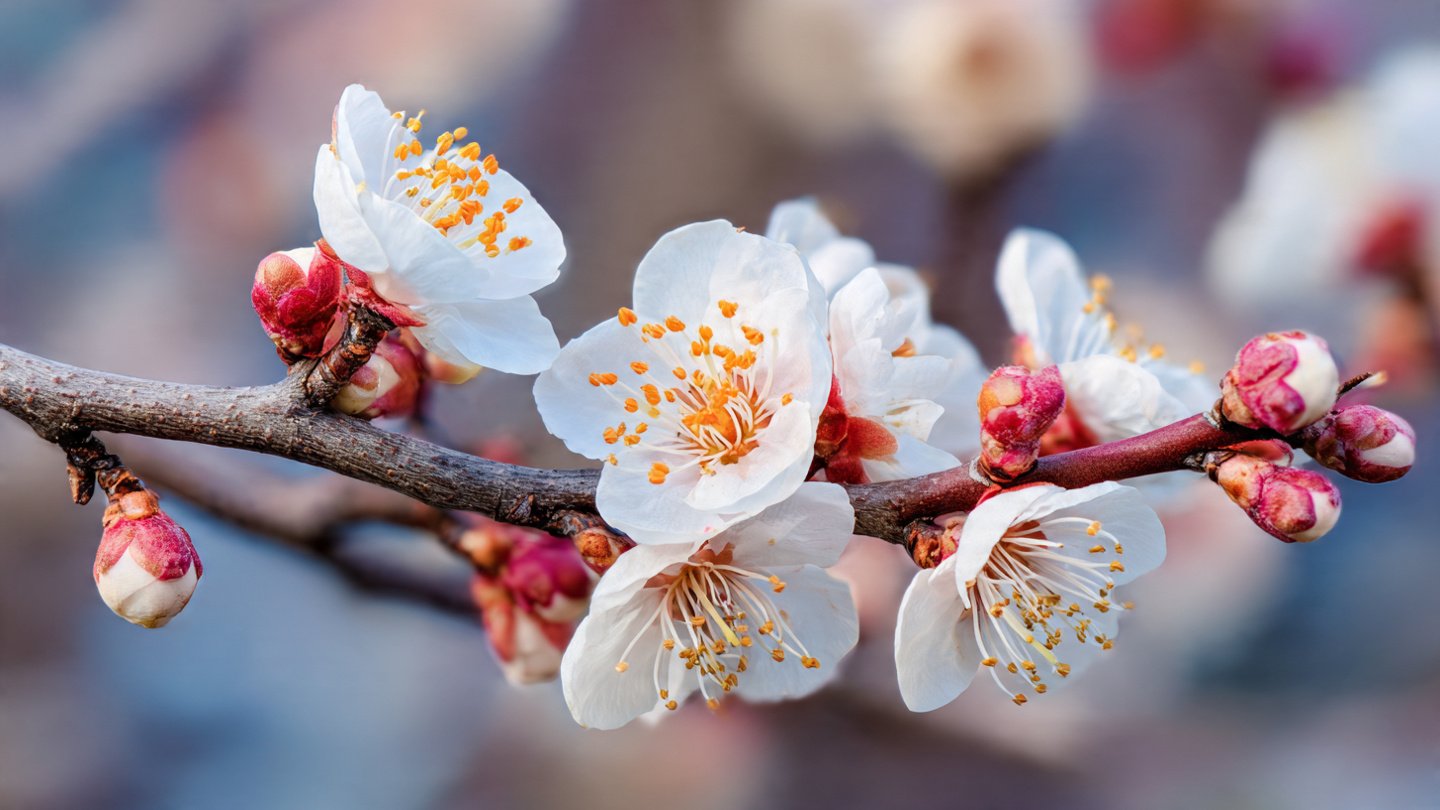
Growing apricot trees in Canada can be a rewarding endeavor, especially if you have a passion for gardening and the desire to enjoy delicious, home-grown fruit. With the right knowledge, tools, and a bit of elbow grease, it is entirely possible to cultivate healthy apricot trees even in regions with colder climates. This ultimate guide will cover everything from choosing the right apricot variety to planting, caring for, and harvesting your trees, along with some simple hacks to help you succeed.
Understanding Apricot Trees
Botanical Overview
Latest Posts
- A Comprehensive Guide to Successfully Growing Grape Vines in Your Backyard for Beginners and Experts Alike
- Best Tips for Successful Mango Growth in Containers
- Discover the Simple Steps for Successfully Growing Coriander in a Pot
- Discovering the Ultimate Guide to Growing African Violets from Leaf Cuttings
- Simple Techniques for Successfully Growing Seedless Grapes in Home Gardens
- Ultimate Guide to Growing Balsam Plants Naturally for Vibrant Blooms
- Discover the Secrets to Growing Lush Leek Leaves with Simple Hacks for Beginners
- How to Successfully Cultivate Sweet Cherries in the Unique Climate of Canada
- The Ultimate Guide to Successfully Growing Beautiful Succulent Garden Plants at Home
- A Comprehensive Guide to Growing Dhania from Seeds for Beginners
Apricots (Prunus armeniaca) are small, orange fruits that belong to the Rosaceae family. They are related to peaches, plums, and cherries. Apricot trees can grow up to 20 feet tall, depending on the variety. They thrive in well-drained soil and areas that receive full sunlight.
Varieties Suitable for Canada
When it comes to growing apricot trees in Canada, it’s crucial to choose varieties that can withstand colder climates. Some of the best options include:
- Harcot: This Canadian variety has good cold hardiness and produces medium-sized, sweet fruit.
- Tilton: Another cold-hardy variety, Tilton apricots are known for their rich flavor and excellent quality.
- Goldcot: This variety is resistant to many diseases and is well-suited to Canadian winters.
Climate Considerations
Apricot trees require a climate with cold winters and warm summers. While they can handle colder conditions during dormancy, they need a certain amount of chill hours to produce fruit. Aim for at least 700 chill hours (temperatures below 7°C) for optimal growth and fruiting.

Site Selection and Preparation
Choosing the Right Location
Select a site that offers:
- Full Sunlight: Apricot trees thrive in full sunlight; aim for at least 6-8 hours of direct sunlight daily.
- Good Air Circulation: Ensure that your trees have adequate airflow to reduce the risk of diseases.
- Drainage: Avoid low-lying areas where water can pool; good drainage is critical to prevent root rot.
Soil Preparation
Apricot trees prefer sandy loam soil that is rich in organic matter. Follow these steps to prepare your soil:
- Test Soil pH: The ideal soil pH for apricot trees is between 6.0 and 7.5. Use a soil testing kit to check.
- Amend the Soil: If your soil is too acidic, add lime to raise the pH. Conversely, add sulfur to lower it if the soil is too alkaline.
- Mix Organic Matter: Incorporate compost or well-rotted manure to improve soil structure and fertility.
Planting Your Apricot Trees
Best Time to Plant
The ideal time to plant apricot trees in Canada is during early spring (April to late May) after the last frost. This timing helps the trees establish roots before the warmer summer months.
Planting Instructions
- Digging the Hole: Create a hole that is twice as wide and as deep as the root ball of the tree.
- Add Fertilizer: Sprinkle a slow-release fertilizer in the bottom of the hole to provide nutrients for the young tree.
- Planting: Place the tree in the center of the hole, ensuring that the root crown is level with the surrounding soil.
- Backfilling: Fill the hole with the removed soil, gently tamping to eliminate air pockets.
- Watering: Water thoroughly after planting and add a layer of mulch around the base to retain moisture.
Caring for Your Apricot Trees
Watering
Regular watering is vital, especially during dry spells. Young trees should receive about 1 inch of water per week, either from rainfall or supplemental irrigation. Always aim to water deeply and infrequently to encourage deep root growth.
Fertilizing

In the first year, fertilize your apricot trees once with a balanced fertilizer during the growing season. After the first year, use fertilizer yearly in early spring and follow the package instructions for application rates.
Pruning
Pruning apricot trees is crucial for maintaining their health and productivity. Here’s how to do it effectively:
- Timing: Prune in late winter to early spring when the tree is still dormant.
- Shape: Aim for an open-center structure that allows sunlight to penetrate the canopy.
- Remove Suckers: Cut away any suckers or water sprouts, which divert energy from fruit production.
Pest and Disease Control
Common pests include aphids, plum curculio, and spider mites. Use insecticidal soap or neem oil for control. To prevent diseases such as brown rot and peach leaf curl, ensure good airflow, avoid overhead watering, and remove fallen fruit and debris.
Harvesting Your Apricot Trees
When to Harvest
Apricots typically ripen in mid to late summer, depending on the variety and local climate conditions. Harvest when the fruits are fully colored, slightly soft to the touch, and release easily from the tree.

How to Harvest
Gently twist the fruit from the tree, taking care not to damage the fruit or branches. For longer shelf life, handle apricots with care and avoid bruising.
Simple Hacks for Success
- Use Row Covers: Protect young trees from frost in early spring with lightweight row covers.
- Apply Mulch: A layer of organic mulch helps retain moisture, suppress weeds, and regulate soil temperature.
- Buddy Planting: Consider planting companion plants like clover, which can help improve soil nitrogen levels.
- Self-Pollination: Most apricot varieties are self-pollinating, but planting multiple trees can improve fruit set.
Frequently Asked Questions (FAQs)
Q1: How long does it take for apricot trees to produce fruit?
A: Apricot trees typically start producing fruit 2-4 years after planting, depending on the variety and growing conditions.
Q2: Can I grow apricot trees in pots?
A: Yes, you can grow apricot trees in pots as long as they are large enough (at least 15 gallons) and provide adequate drainage.

Q3: What should I do if my apricot tree is not flowering?
A: Check if your tree is receiving enough sunlight, and ensure it has the required chilling hours and proper nutrition.
Q4: How do I protect my apricot trees from winter damage?
A: Applying a layer of mulch around the base, wrapping the tree trunk with burlap, and avoiding late winter fertilization can help protect against frost damage.
Q5: Are apricots high in maintenance?
A: While apricots do require care, following good cultural practices will reduce the need for intensive maintenance.
In conclusion, growing apricot trees in Canada may seem daunting, but with the right knowledge and simple tricks, success is within your reach. From selecting appropriate varieties to ensuring proper care and harvesting techniques, this ultimate guide serves to empower you as you embark on your gardening journey. Enjoy the process, and savor the sweet rewards of your labor!