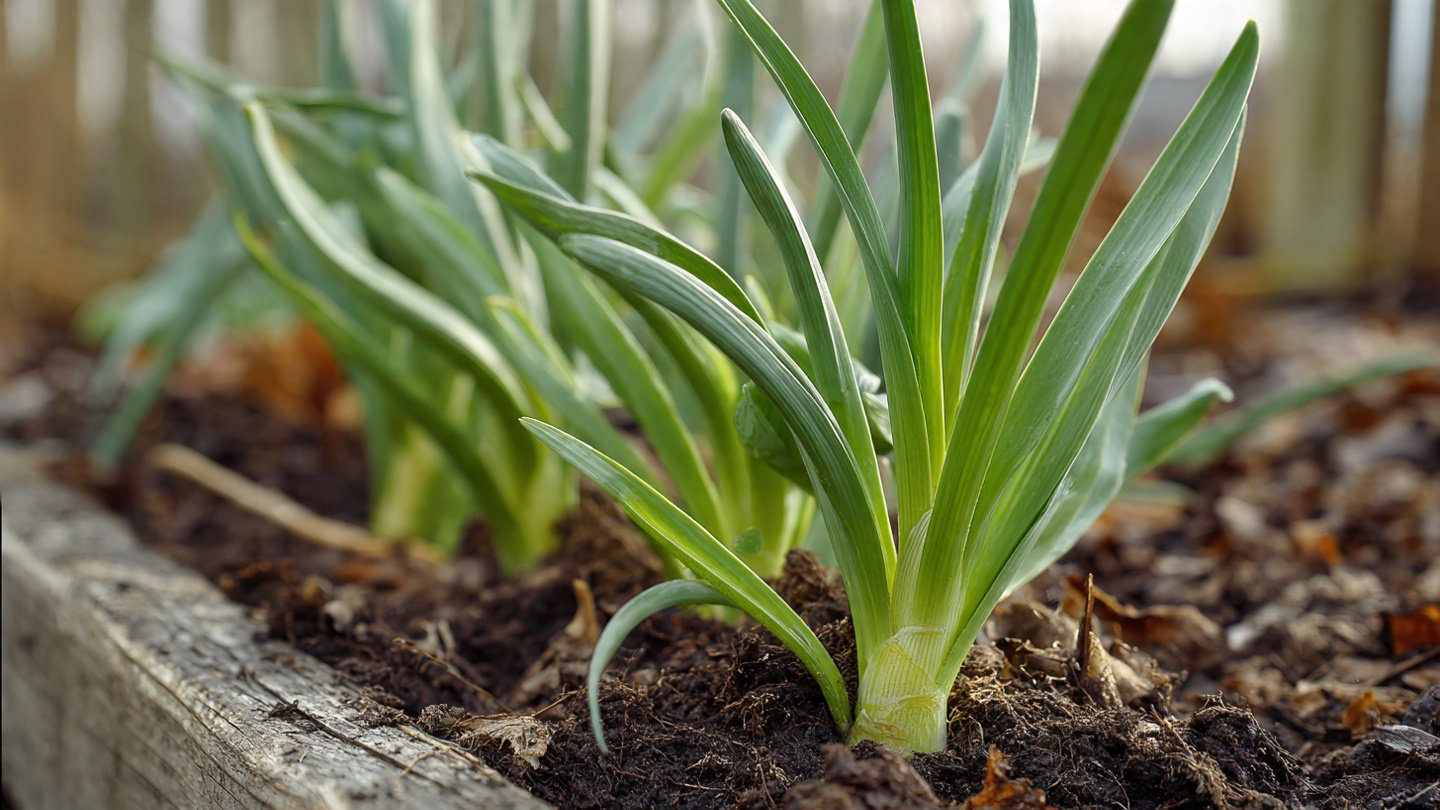
Growing leeks can be a rewarding endeavor for both novice gardeners and seasoned horticulturists alike. With their unique flavor and versatility in the kitchen, leeks are more than just a culinary delight—they’re a sustainable addition to your food garden. This article will guide you through the essential steps to nurture lush leek leaves while sharing simple hacks that make the process easier, even for beginners.
Understanding Leeks: A Brief Overview
Leeks (Allium ampeloprasum) belong to the Allium family, which also includes garlic, onions, and shallots. These hardy biennials are grown as annuals in most gardens. Leeks have a milder flavor than their relatives and are commonly used in soups, stews, and salads. They thrive in cooler climates and require a good balance of sun and moisture.
Latest Posts
- A Comprehensive Guide to Successfully Growing Grape Vines in Your Backyard for Beginners and Experts Alike
- Best Tips for Successful Mango Growth in Containers
- Discover the Simple Steps for Successfully Growing Coriander in a Pot
- Discovering the Ultimate Guide to Growing African Violets from Leaf Cuttings
- Simple Techniques for Successfully Growing Seedless Grapes in Home Gardens
- Ultimate Guide to Growing Balsam Plants Naturally for Vibrant Blooms
- How to Successfully Cultivate Sweet Cherries in the Unique Climate of Canada
- The Ultimate Guide to Successfully Growing Beautiful Succulent Garden Plants at Home
- A Comprehensive Guide to Growing Dhania from Seeds for Beginners
- Simple and Effective Methods for Jade Plant Propagation at Home
Selecting the Right Variety
Before embarking on your leek-growing journey, the first step is choosing the right variety. There are many types of leeks, which vary in size, shape, and flavor. Here are some popular selections:
- King Richard: Known for its long, slender white stems and mild taste.
- Winter Keeper: These leeks are hardy and can be stored well, making them great for winter harvest.
- Giant Musselburgh: A traditional Scottish variety, famous for producing large, robust leeks.
Choosing the right variety is crucial, as some are better suited for specific climates and growing conditions.
Preparing Your Soil
Leeks thrive in well-draining, nutrient-rich soil. Here’s how to prepare your soil for the best results:
-
Test Soil pH: Leeks prefer a pH of 6.0 to 7.0. You can purchase a soil pH meter or use a DIY kit to test your soil.
-
Amend the Soil: If necessary, amend your soil with organic matter like compost, well-rotted manure, or peat moss. This enhances soil fertility and drainage, ensuring your leeks have all the nutrients they need.
-
Tillage: Loosen the soil to a depth of about 12 inches. This provides ample room for the roots to grow and establish a strong base.

Planting Leeks
Once your soil is prepared, it’s time to plant your leeks. Here’s a step-by-step guide:
-
Starting Seeds Indoors: Begin the planting process indoors 10-12 weeks before the last frost. Sow seeds in seed trays, covering them lightly with soil. Keep the trays in a warm, well-lit area until germination occurs.
-
Transplanting: When seedlings reach around 6 inches in height, they can be transplanted outdoors. Space them 6-8 inches apart in rows that are 1-2 feet apart.
-
Planting Technique: To create the characteristic long stalks, plant leeks deep into the soil, leaving just the green tops exposed. This method helps prevent the leaves from becoming tough and brown.
Watering Techniques
Watering plays a critical role in growing lush leek leaves. Here are some effective hacks for ensuring your leeks stay hydrated:
-
Consistent Moisture: Leeks prefer consistently moist soil. Aim for about 1 inch of water per week, either through rainfall or irrigation.
-
Mulching: Apply a layer of mulch around the leeks to conserve moisture and suppress weeds. Organic mulch like straw or wood chips is beneficial as it gradually adds nutrients back to the soil.

-
Water Early: Water your leeks in the morning to allow the leaves to dry out by evening, reducing the risk of fungal diseases.
Fertilization Strategies
While leeks are not heavy feeders, adequate fertilization is essential for lush growth. Here are simple hacks for achieving the right balance:
-
Organic Fertilizers: Choose organic fertilizers like fish emulsion or seaweed extract. Apply these every 3-4 weeks during the growing season for optimal results.
-
Nitrogen Boost: During the first month of growth, applying a nitrogen-rich fertilizer can enhance leaf production. After this period, switch to a balanced fertilizer to support overall growth.
-
Avoid Over-Fertilizing: Too much fertilizer can lead to lush foliage at the expense of root health. Stick to recommended guidelines to prevent leaf burn and other nutrient issues.
Pest and Disease Management
Like all plant varieties, leeks can fall victim to pests and diseases. Here are some preventive measures and hacks for keeping your leeks healthy:
-
Crop Rotation: Avoid planting leeks in the same spot year after year. Crop rotation helps prevent soil-borne diseases and pests from establishing.
-
Floating Row Covers: Use floating row covers to shield young plants from pests like onion flies. This allows sunlight and moisture to penetrate while providing a barrier against common pests.
-
Regular Monitoring: Check your leeks regularly for signs of pests, diseases, or yellowing leaves. Early intervention is key. Handpick pests or use insecticidal soap as necessary.
Harvesting Leeks
Knowing when and how to harvest is crucial for enjoying your leeks at their best. Here are some tips:
-
Timing: Leeks are typically ready to be harvested 120-150 days after planting, depending on the variety. The size of a leeks’ stalk should be at least one inch in diameter for ideal maturity.
-
Harvesting Technique: Use a spading fork to gently lift the leeks from the ground. Avoid pulling them by the leaves to prevent damage.
-
Storing Leeks: Leeks can be stored in a cool, dark place for several weeks. Alternatively, root them in water and keep them in your refrigerator for several days to maintain freshness.
Common Challenges and Solutions
Even seasoned gardeners can face challenges while growing leeks. Here are some common issues and how to overcome them:
-
Yellowing Leaves: This could be a sign of nutrient deficiency or too much water. Assess your watering schedule and consider a nitrogen boost.
-
Thin Stalks: Thin, floppy stalks may be a result of inadequate sunlight. Ensure your leeks receive at least 6-8 hours of sunlight daily.
-
Rotting: Fungal diseases can lead to rot. Ensure adequate spacing between plants for good air circulation and avoid overwatering.

Simple Hacks for Growing Leeks Successfully
To recap, here are some simple hacks you can apply for growing lush leeks:
-
Use a Soaker Hose: This prevents water from splashing on leaves and reduces the risk of fungal diseases.
-
Companion Planting: Grow leeks with other Allium family members or carrots and beets, which can help deter pests.
-
Regular Weeding: Weeds compete for nutrients and moisture. Regularly check and remove weeds to give your leeks the best chance to thrive.
-
Winter Protection: In colder climates, consider mulching your leeks or covering them with straw to protect them during winter.
Frequently Asked Questions (FAQs)
1. How long does it take for leeks to mature?
Leeks typically mature in 120-150 days after planting, depending on the variety.
2. Can I grow leeks in containers?
Yes! Leeks can be successfully grown in containers. Just ensure your container is at least 12 inches deep for proper root development.
3. What is the best time to plant leeks?

Leeks can be planted in early spring or late summer for a fall harvest. Ensure they are planted after the last frost of spring.
4. Do leeks require a lot of sunlight?
Leeks prefer a sunny location with 6-8 hours of sunlight daily for optimal growth.
5. How often should I fertilize my leeks?
Feed your leeks with an organic fertilizer every 3-4 weeks during the growing season, especially during the initial growth phase.
6. Can I grow leeks from kitchen scraps?
Yes, you can regrow leeks from the white bulb by placing it in water. However, it’s best to start from seeds or seedlings for more robust growth.
7. What pests are most common for leeks?
Common pests include onion flies, root maggots, and aphids. Using row covers and monitoring the plants regularly can help mitigate infestations.
Conclusion
With a little patience and care, you can enjoy a bountiful harvest of lush leek leaves. By implementing these simple hacks and practices, even beginners can grow leeks successfully. From preparation to harvest, each step is essential in nurturing these hardy plants. Whether you’re using them in savory dishes or enjoying them fresh from the garden, the effort you put into growing leeks will undoubtedly pay off in flavor and satisfaction. Happy gardening!