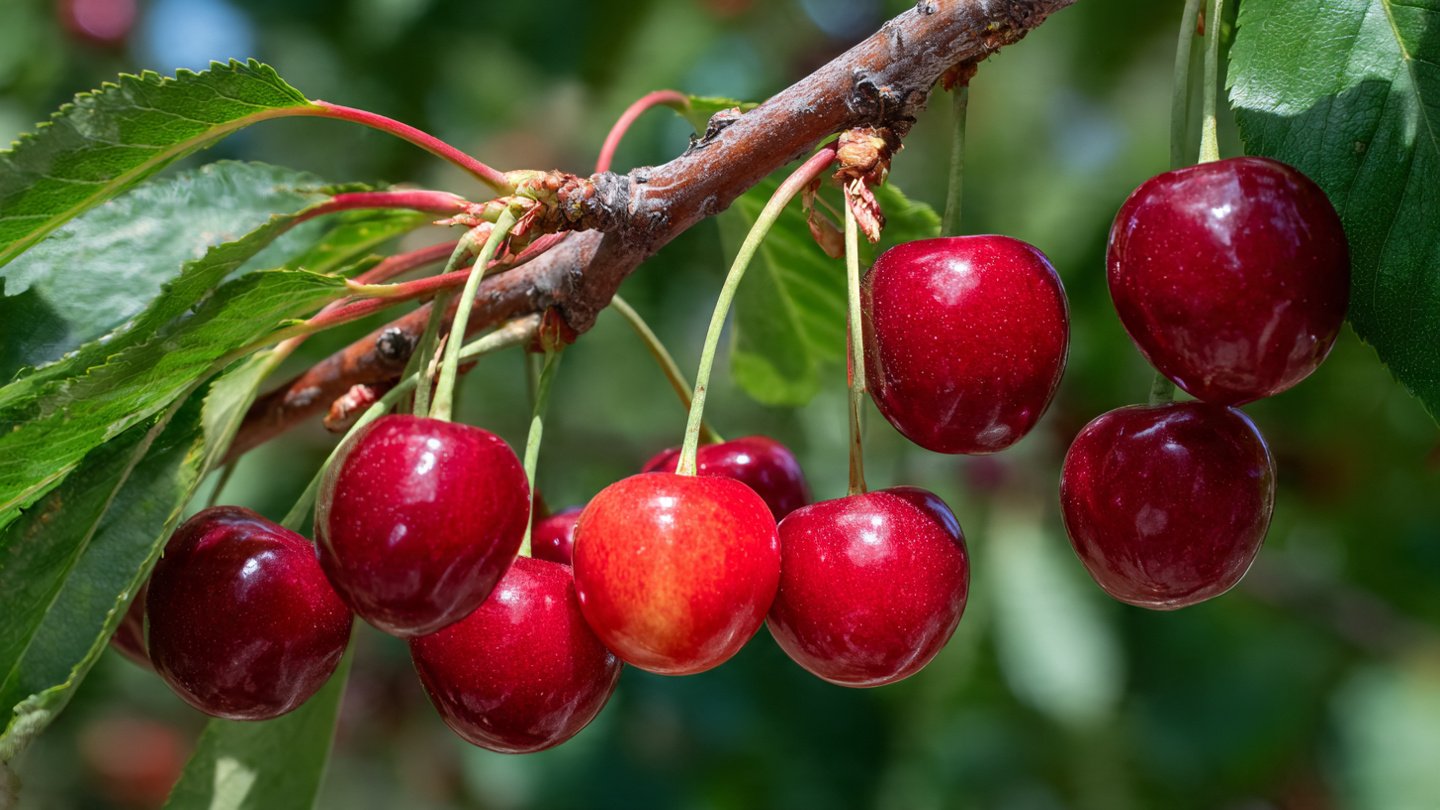
Cultivating sweet cherries in Canada presents both challenges and opportunities. With the right techniques and a knowledge of local conditions, Canadian growers can achieve a bountiful harvest of these delectable fruits. This guide will explore the best practices for growing sweet cherries in Canada, covering everything from selecting the right varieties to pest management and harvesting.
Understanding the Unique Climate of Canada
Canada’s climate varies considerably from region to region, impacting how sweet cherries are grown. Generally, sweet cherries thrive best in zones 4-7, which are characterized by warm summers and cold winters. The following regions are most suitable for cherry cultivation:
Latest Posts
- A Comprehensive Guide to Successfully Growing Grape Vines in Your Backyard for Beginners and Experts Alike
- Best Tips for Successful Mango Growth in Containers
- Discover the Simple Steps for Successfully Growing Coriander in a Pot
- Discovering the Ultimate Guide to Growing African Violets from Leaf Cuttings
- Simple Techniques for Successfully Growing Seedless Grapes in Home Gardens
- Ultimate Guide to Growing Balsam Plants Naturally for Vibrant Blooms
- Discover the Secrets to Growing Lush Leek Leaves with Simple Hacks for Beginners
- The Ultimate Guide to Successfully Growing Beautiful Succulent Garden Plants at Home
- A Comprehensive Guide to Growing Dhania from Seeds for Beginners
- Simple and Effective Methods for Jade Plant Propagation at Home
1. The Okanagan Valley, British Columbia
- Climate: Known for its warm, dry summers and temperate winters, the Okanagan is the ideal location for sweet cherries.
- Soil: Well-draining soils rich in organic matter support healthy cherry trees.
2. The Niagara Peninsula, Ontario
- Climate: The presence of Lake Ontario moderates temperatures, providing a suitable environment for cherry cultivation.
- Soil: Loamy soils with good drainage are prevalent, ideal for cherry trees.
3. The Annapolis Valley, Nova Scotia
- Climate: Similar to the Niagara Peninsula, the Annapolis Valley benefits from a moderated climate.
- Soil: Fertile soils help promote growth, although careful management is necessary due to potential moisture issues.
Selecting the Right Cherry Varieties
When cultivating sweet cherries in Canada, selection of the appropriate varieties is crucial. Here are some popular varieties that perform well in Canadian climates:
1. Bing
- Description: Large, dark red fruits with sweet and juicy flesh.
- Hardiness: Needs warmer climates but can thrive in some parts of Ontario and British Columbia.

2. Lapins
- Description: Self-pollinating, medium to large sweet cherries that are dark red.
- Hardiness: Hardy and adaptable, suitable for various Canadian climates.
3. Stella
- Description: A hybrid of sweet cherry and sour cherry, this variety is prized for its sweet flavor.
- Hardiness: Tolerates colder climates, making it suitable for Ontario regions.
4. Valera
- Description: A newer variety with high yields and excellent flavor.
- Hardiness: Well-suited for the Okanagan due to its adaptability.
Soil Preparation
Soil quality significantly affects cherry tree growth. Here are steps for effective soil preparation:
1. Testing Soil
- pH Level: Sweet cherries thrive in slightly acidic to neutral soil (pH 6.0 – 7.0).
- Nutrient Levels: Check for levels of nitrogen, phosphorus, potassium, and organic matter.
2. Amending Soil
- Organic Matter: Incorporate compost or well-rotted manure to boost fertility.
- Drainage: If the soil retains too much moisture, consider raised beds or incorporating sand for better drainage.
Planting Cherry Trees
1. Timing
- Spring: Ideal for planting, once the danger of frost has passed.
- Spacing: Space trees adequately (20-25 feet apart) to promote airflow and sunlight penetration.
2. Technique
- Digging Holes: Each hole should be about twice the size of the root ball.
- Placement: Position the graft union above soil level to promote healthy growth.
Watering Requirements
Sweet cherries require balanced watering to thrive:
1. Initial Stages
- Frequent Watering: Newly planted trees need consistent moisture; water deeply once or twice a week.
2. Established Trees
- Less Frequent: Once established, trees require less water, typically 1 inch per week during the growing season, without over-saturation.
Fertilization
Proper fertilization is critical for healthy growth.
1. Early Growth
- Nitrogen-Rich Fertilizer: Apply a balanced fertilizer in spring when trees are actively growing.

2. Timing
- Late Summer: Avoid late summer fertilization, which can promote new growth susceptible to winter damage.
Pruning
Pruning is essential for maintaining tree health and maximizing fruit production.
1. Timing
- Winter: Ideal for structural pruning when trees are dormant.
2. Technique
- Remove Dead/Diseased Wood: Clear any unhealthy branches to promote airflow.
- Maintain Shape: Focus on creating an open center to allow sunlight penetration.
Pest and Disease Management
Sweet cherries are susceptible to various pests and diseases:
1. Common Pests
- Cherry Fruit Fly: Monitor for larvae and apply insecticides if necessary.
- Aphids: These pests can cause damage; beneficial insects such as ladybugs can help control their population.
2. Diseases
- Fungal Infections: Ensure good air circulation through pruning to prevent diseases like powdery mildew.
- Bacterial Canker: Remove infected areas to isolate the disease and consider applying fungicides as needed.

Harvesting
Timing your harvest is vital for optimal sweetness and flavor.
1. Indicators of Ripeness
- Color: Fruits should be fully colored and appear plump.
- Taste Test: Sample a few cherries to determine sweetness.
2. Technique
- Gentle Handling: Use scissors or pruning shears to avoid damage to the fruit and tree.
3. Storage
- Refrigeration: Cherries can be stored in the refrigerator for up to a week; however, they are best enjoyed fresh.
Marketing Your Cherries
If you intend to sell your cherries, consider your marketing strategy:
1. Local Markets
- Farmers Markets: Establish connections within your community.
2. Packaging
- Attractive Displays: Use eco-friendly packaging and attractive signage to attract customers.
3. Direct-to-Consumer Sales
- U-Pick Farms: Allow customers to pick their own cherries for a fun experience.

FAQs
1. Can sweet cherries grow in colder climates?
Yes, some varieties like Stella and Lapins are specifically bred for hardiness and can thrive in cooler areas.
2. How long does it take for cherry trees to bear fruit?
Most cherry trees take about 3-7 years to start producing fruit, depending on the variety and growing conditions.
3. Do I need multiple trees for cross-pollination?
Some sweet cherry varieties are self-pollinating (like Lapins), but planting multiple trees can enhance yields.
4. Can cherry trees grow in pots?
Yes, dwarf varieties can be grown in pots; ensure adequate sunlight and drainage.
5. How do I protect my cherry trees from birds?
Use netting or reflective objects around your trees to deter birds from pecking at your fruit.
6. What is the best time to prune cherry trees?
Pruning is best done in late winter or early spring while the tree is still dormant.
Conclusion
Cultivating sweet cherries in Canada is a rewarding endeavor that can yield delicious fruits when approached thoughtfully. By understanding the unique aspects of your local climate, choosing the right varieties, and following best practices for soil preparation, watering, fertilization, and pest management, you’ll be well on your way to a successful cherry harvest. With consistent care and a bit of patience, your cherry trees will thrive and provide delicious fruit for years to come.