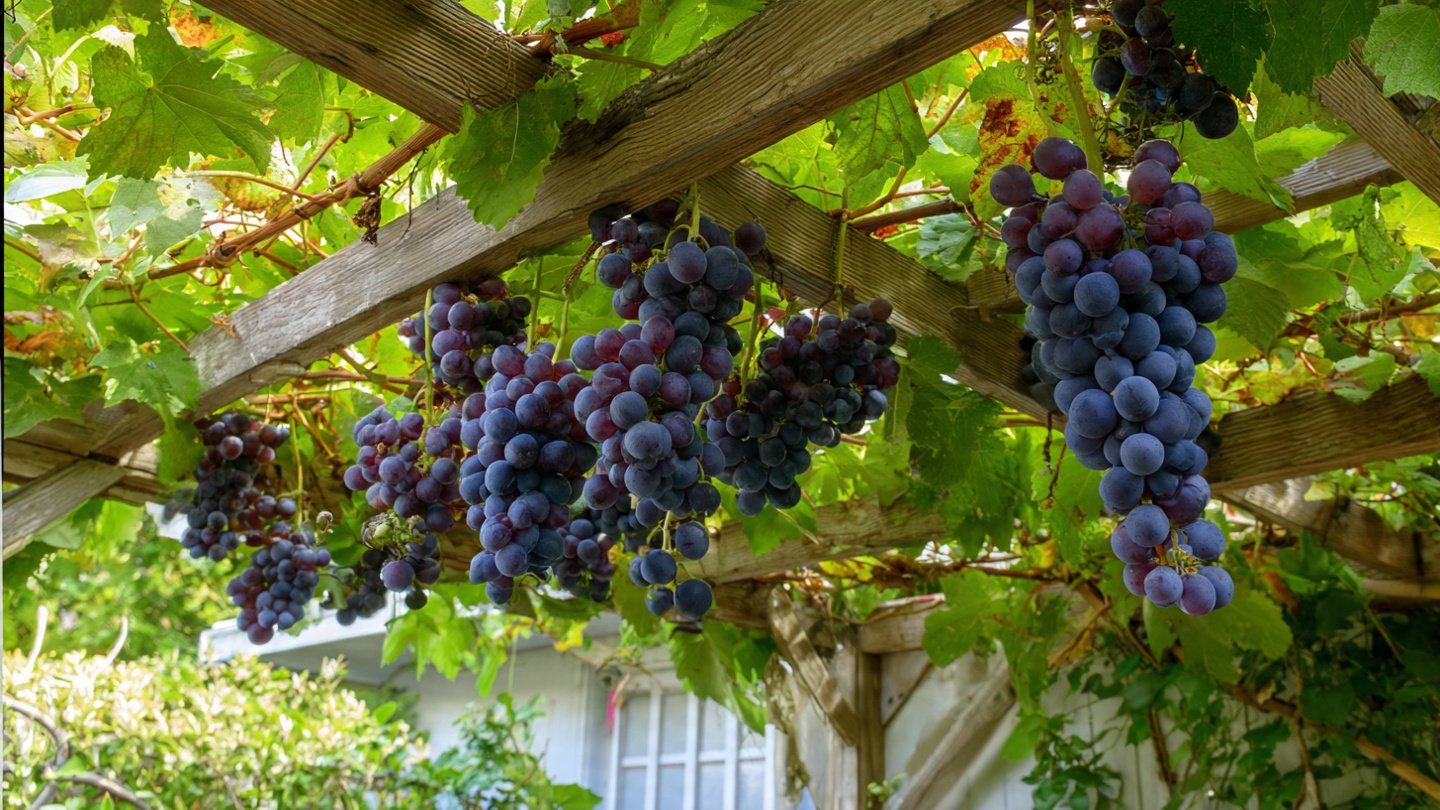
Growing seedless grapes at home can be an exciting and rewarding venture. Known for their sweet flavor and convenience, seedless grapes make an ideal addition to any garden. Whether you’re a novice gardener or an expert, understanding proper techniques can lead to a successful harvest. In this article, we will explore the best practices for cultivating seedless grapes, including essential care tips, ideal growing conditions, and potential challenges.
Understanding Seedless Grapes
Types of Seedless Grapes
Latest Posts
- A Comprehensive Guide to Successfully Growing Grape Vines in Your Backyard for Beginners and Experts Alike
- Best Tips for Successful Mango Growth in Containers
- Discover the Simple Steps for Successfully Growing Coriander in a Pot
- Discovering the Ultimate Guide to Growing African Violets from Leaf Cuttings
- Ultimate Guide to Growing Balsam Plants Naturally for Vibrant Blooms
- Discover the Secrets to Growing Lush Leek Leaves with Simple Hacks for Beginners
- How to Successfully Cultivate Sweet Cherries in the Unique Climate of Canada
- The Ultimate Guide to Successfully Growing Beautiful Succulent Garden Plants at Home
- A Comprehensive Guide to Growing Dhania from Seeds for Beginners
- Simple and Effective Methods for Jade Plant Propagation at Home
Before starting your grape garden, familiarize yourself with the different varieties of seedless grapes. Some of the most popular types include:
-
Thompson Seedless: This variety is widely recognized for its versatility. They can be eaten fresh, dried into raisins, or used in the production of wine.
-
Flame Seedless: Known for their vibrant red color and sweet taste, Flame Seedless grapes are perfect for fresh eating.
-
Autumn Royal: A black seedless grape that is crisp and juicy, often used for fresh consumption.
Why Choose Seedless Grapes?
Growing seedless grapes offers several advantages:
- Convenience: No seeds mean hassle-free snacking.
- Culinary Versatility: They can be used in salads, desserts, or as a standalone snack.
- Longer Shelf Life: Seedless varieties generally store better, making them a great choice for home gardens.
Planning Your Garden
Selecting the Right Location
Grapes require a lot of sunlight to thrive. Choose a spot in your garden that receives at least 6 to 8 hours of direct sunlight daily. Avoid shaded areas, as they can hinder growth and fruit production.
Soil Preparation
Soil Type and pH
- Drainage: Grapes do not tolerate waterlogged soil. Ensure proper drainage by adding organic compost or sandy soil.
- pH Level: Aim for a pH level of 6.0 to 7.0, which is slightly acidic to neutral. Test your soil with a pH meter or home testing kit.
Space Requirements
Grapes need space to grow. Plan for a row spacing of at least 8 feet to allow for air circulation and sunlight penetration. Each vine will require about 4 to 6 feet of space.
Choosing the Right Variety
Purchasing healthy, disease-resistant seedlings is crucial. When selecting your seedless grape varieties, consider your local climate, soil conditions, and preferred grape type. Visit a local nursery or garden center, where staff can offer recommendations based on your region.
Growing from Seeds vs. Cuttings
While it’s possible to grow grapes from seeds, it’s more reliable to utilize cuttings or nursery-bought plants. Seedless varieties often do not produce viable seeds, making planting from cuttings a better option.
Planting Techniques
Timing
The best time to plant grapes is in early spring or late fall. As grapes are dormant during these seasons, they can establish stronger root systems before the growing season begins.
Planting Steps
- Digging: Prepare holes that are at least 2 feet wide and deep enough to accommodate the root system without bending.
- Placement: Place the root ball into the hole, ensuring the roots spread out. Cover with soil gently, avoiding any compaction.
- Watering: Water the plants thoroughly after planting to eliminate any air pockets in the soil.
Care Techniques
Watering
Consistency is key when it comes to watering:
- Establishing Roots: During the first year, water the vines regularly, aiming for 1 to 2 inches of moisture per week.
- Mature Vines: Once established, reduce watering frequency. Grapes prefer dry conditions to develop concentrated flavors.
Fertilization
Grapes benefit from balanced fertilizers. A nitrogen-ratio fertilizer such as 10-10-10 is ideal for the first couple of years.
- Timing: Fertilize in early spring, as vines begin to grow.
- Application: Follow the application instructions on the fertilizer package to avoid over-fertilization.
Pruning
Pruning is crucial for healthy vine development and maximizing yield.
- When to Prune: Late winter or early spring, just before new growth starts.
- Method: Remove dead or weak branches while keeping a few strong ones for fruit production. Aim to leave 6 to 10 buds per cane.
Supporting the Vines
Grapes are climbing plants that require support:
- Trellising: Use a sturdy trellis, fence, or arbor to allow vines to climb. This facilitates air circulation and sunlight exposure.
- Training: Guide the shoots to grow along the trellis or support to maintain an organized structure.
Pest and Disease Management
Vigilance is essential to protect your grapes from pests and diseases common in grape cultivation.
Common Pests
- Grape Flea Beetles: These pests can damage leaves and fruit. Employ insecticidal soap or neem oil for control.
- Spider Mites: A sign of dry conditions, these tiny pests can be controlled through increased watering and insecticidal sprays.
Common Diseases
- Powdery Mildew: A fungal disease characterized by a white powdery coating on leaves. Use fungicides or natural solutions like baking soda to treat it.
- Botrytis Blight: Linked to excessive moisture, improve air circulation and remove decayed fruit to manage this disease.
Harvesting
Timing
Seedless grapes typically mature between late summer and early fall, depending on the variety. The best way to determine ripeness is through taste, as sugar levels will increase as they ripen.
Techniques
- Cutting: Use clean, sharp scissors to snip the clusters from the vine.
- Handling: Carefully place grapes in a container to avoid squishing, as they can bruise easily.
Storing Seedless Grapes
To maximize shelf life, store harvested grapes in a cool, dark place in a breathable container. Avoid washing grapes until just before consumption to prevent moisture-related spoilage.
FAQs
1. How long does it take for seedless grape vines to produce fruit?
Most seedless grape varieties will produce fruit within 2 to 3 years after planting, depending on growth conditions and care.
2. Can seedless grapes be grown in containers?
Yes! As long as the container is large enough (at least 5 gallons) and provides good drainage, seedless grapes can thrive in pots. Ensure they get enough sunlight.
3. What kind of pests should I be on the lookout for?
Common pests include grape flea beetles, spider mites, and aphids. Monitor your plants regularly for any signs of pest activity.
4. Is it necessary to prune grapevines every year?
Yes, annual pruning is important to remove dead or diseased wood and to shape the vine for optimal growth and fruit production.
5. Can I grow seedless grapes in a colder climate?
While seedless grapes thrive in warmer climates, certain cold-hardy varieties can be grown in cooler regions with proper care and protection from frost.
Conclusion
Growing seedless grapes in your home garden is a fulfilling endeavor that rewards you with fresh, juicy fruit. By following the techniques outlined above— from selecting a suitable location to managing pests and diseases—you can cultivate a thriving grapevine. Enjoy the process and the delicious outcomes of your hard work, and don’t hesitate to adapt your techniques based on your unique needs and conditions. Happy gardening!