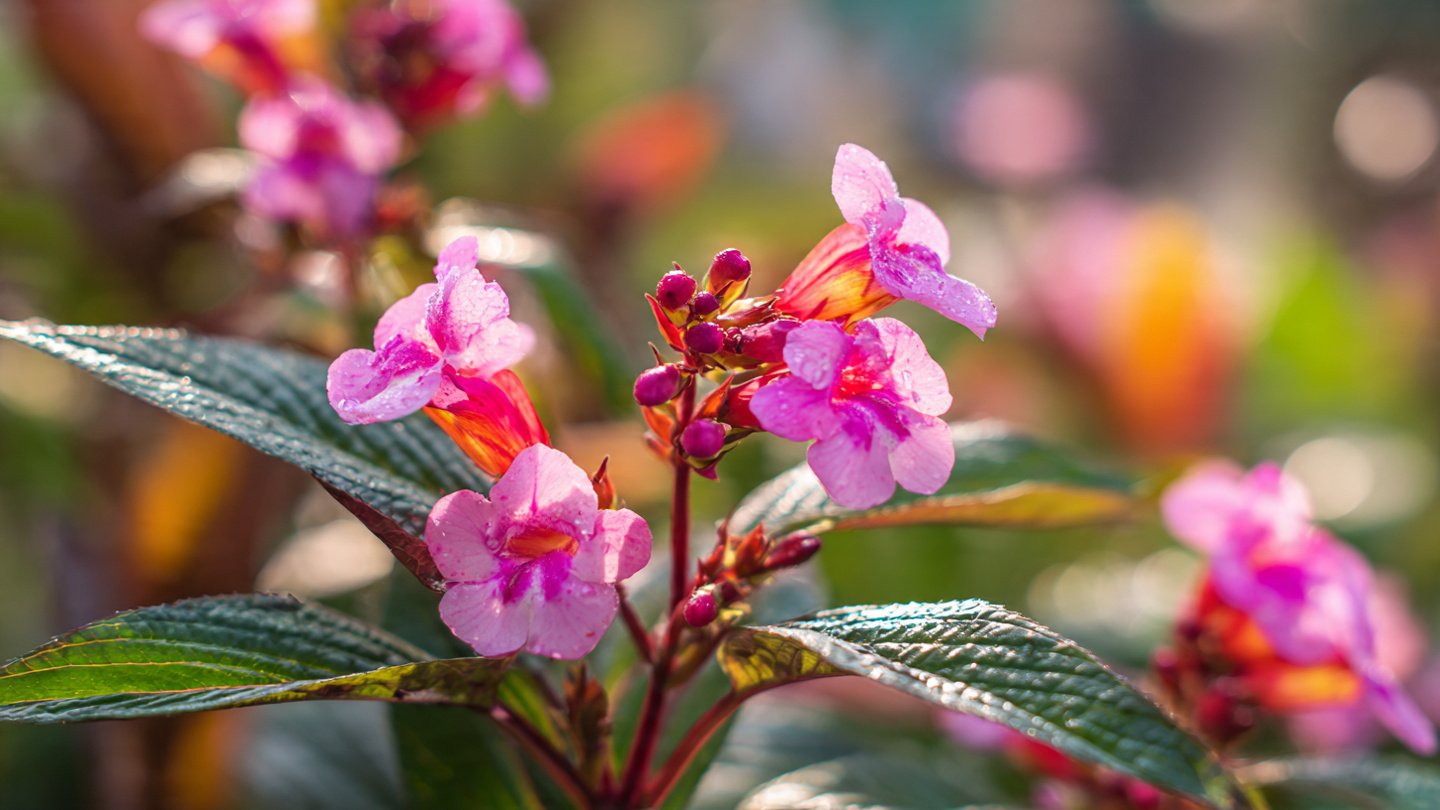
Balsam plants, scientifically known as Impatiens balsamina, are cherished for their vibrant blooms and lush greenery. These annuals flourish in various climates, adding color and life to gardens, borders, or container arrangements. This comprehensive guide will explore how to grow balsam plants naturally, ensuring you achieve stunning and healthy blooms throughout the growing season.
1. Understanding Balsam Plants
1.1 Botanical Background
Balsam plants belong to the Balsaminaceae family and are native to tropical regions of Asia and Africa. They are popular for their showy flowers, which come in diverse colors, including pink, red, white, purple, and blue. The plants typically grow between 12 to 36 inches tall, with a bushy habit and glossy leaves.
1.2 Growth Characteristics
- Flowers: Cup-shaped and often double-flowered, they bloom from late spring to early autumn.
- Leaves: Oval and serrated, they provide a lush backdrop for the flowers.
- Stems: Herbaceous and somewhat succulent, contributing to the plant’s overall charm.
2. Ideal Growing Conditions
2.1 Soil Requirements
Balsams thrive in well-draining, fertile soil that is rich in organic matter. It’s essential to maintain a slightly acidic to neutral pH (6.0 to 7.0). Consider amending the soil with compost or well-rotted manure to improve fertility and drainage.
2.2 Sunlight and Temperature
While balsam plants can tolerate partial shade, they flourish best in full sun with at least six hours of direct sunlight each day. They prefer warm temperatures, ideally between 65°F and 75°F (18°C to 24°C).
2.3 Watering Needs
Balsams require consistent moisture but are susceptible to root rot if overwatered. It’s crucial to allow the top inch of soil to dry out between waterings. During hotter periods, daily watering may be necessary, while cooler temperatures may reduce their need for water.
Latest Posts
- A Comprehensive Guide to Successfully Growing Grape Vines in Your Backyard for Beginners and Experts Alike
- Best Tips for Successful Mango Growth in Containers
- Discover the Simple Steps for Successfully Growing Coriander in a Pot
- Discovering the Ultimate Guide to Growing African Violets from Leaf Cuttings
- Simple Techniques for Successfully Growing Seedless Grapes in Home Gardens
- Discover the Secrets to Growing Lush Leek Leaves with Simple Hacks for Beginners
- How to Successfully Cultivate Sweet Cherries in the Unique Climate of Canada
- The Ultimate Guide to Successfully Growing Beautiful Succulent Garden Plants at Home
- A Comprehensive Guide to Growing Dhania from Seeds for Beginners
- Simple and Effective Methods for Jade Plant Propagation at Home
3. Planting Balsam
3.1 Propagation Methods
Balsam plants can be grown from seed or cuttings.
- Seeds: Start seeds indoors 8-10 weeks before the last frost date or sow them directly outdoors once the soil warms up.
- Cuttings: Take healthy stem cuttings in the spring and place them in a moist rooting medium.
3.2 Planting Procedure
- Prepare the Site: Clear the area of weeds and debris and amend the soil as needed.
- Spacing: When planting, ensure seedlings or seeds are spaced about 12 to 18 inches apart to allow for their bushy growth.
- Depth: Plant seeds at a depth of about 1/4 inch and cover lightly with soil. For seedlings, plant them at the same depth they were growing in their containers.
3.3 Timing
Balsam plants can be planted in spring, after the last frost. In warmer climates, a fall planting can also yield beautiful blooms in the following spring.
4. Care and Maintenance
4.1 Fertilization
To encourage vibrant blooms, feed balsam plants with a balanced, slow-release fertilizer every four to six weeks. Organic options like fish emulsion or seaweed extract can also provide essential nutrients.
4.2 Pruning
Regular deadheading—removing spent blooms—promotes continued flowering and prevents the plant from going to seed too early. Additionally, pinch back the tips of the plants when they are about 6 inches tall to encourage bushier growth.
4.3 Pest and Disease Management
Balsams are generally resistant to pests, but they can be susceptible to aphids, spider mites, and whiteflies. Monitor for signs of these pests and treat them with insecticidal soap or neem oil as needed.
Common diseases include root rot, often caused by overwatering. Ensure proper drainage and avoid watering the leaves to prevent fungal infections.
5. Supporting Natural Growth
5.1 Companion Planting
Balsam plants pair well with salvia, marigolds, and other colorful annuals, creating a vibrant garden display. Additionally, certain herbs like basil can help deter pests naturally.
5.2 Mulching
Applying a layer of organic mulch around the base of balsam plants helps retain moisture, suppress weeds, and regulate soil temperature, contributing to healthier plants.
6. Harvesting and Using Balsam Flowers
6.1 Cutting Flowers
To enjoy balsam blooms indoors, cut flowers in the morning when they are fresh. Place them in water immediately to retain their vibrant color.
6.2 Seed Collection
If you wish to save seeds for the next season, allow a few flowers to dry on the plant. Once dry, collect the seeds and store them in a cool, dry place until it’s time to plant again.
7. Environmental Considerations
Growing balsams naturally supports biodiversity by attracting pollinators, including bees and butterflies. By avoiding synthetic fertilizers and pesticides, you contribute to a healthier ecosystem.
8. Troubleshooting Common Issues
8.1 Yellowing Leaves
This may indicate overwatering or nutrient deficiency. Adjust your watering schedule and consider fertilizing if needed.
8.2 Slow Growth
Ensure the plants are getting enough sunlight and check that the soil is well-draining. If conditions aren’t optimal, consider relocating them.
9. FAQs
Q1: How often should I water balsam plants?
A: Water balsams consistently, allowing the top inch of soil to dry out between waterings. Adjust frequency based on weather conditions.
Q2: Can I grow balsams in containers?
A: Yes! Balsam plants thrive in containers. Ensure the pot has drainage holes and use a quality potting mix.
Q3: Are balsams toxic to pets?
A: Balsam plants are generally considered non-toxic to pets, but it’s always best to discourage them from chewing on any plants.
Q4: How can I store balsam seeds?
A: Store dried seeds in a cool, dry place in an airtight container, away from direct sunlight.
Q5: Do balsam plants attract pollinators?
A: Yes, balsam plants are attractive to various pollinators, making them a great addition to any garden aimed at supporting wildlife.
Q6: How do I prevent diseases in balsam plants?
A: Ensure good airflow, avoid overhead watering, and practice crop rotation to minimize the risk of fungal infections and diseases.
By following these guidelines, you can successfully grow balsam plants naturally and enjoy their beautiful blooms throughout the growing season. Whether you’re an experienced gardener or a novice, these tips will help you cultivate vibrant balsams that contribute color and life to your outdoor space. Happy gardening!