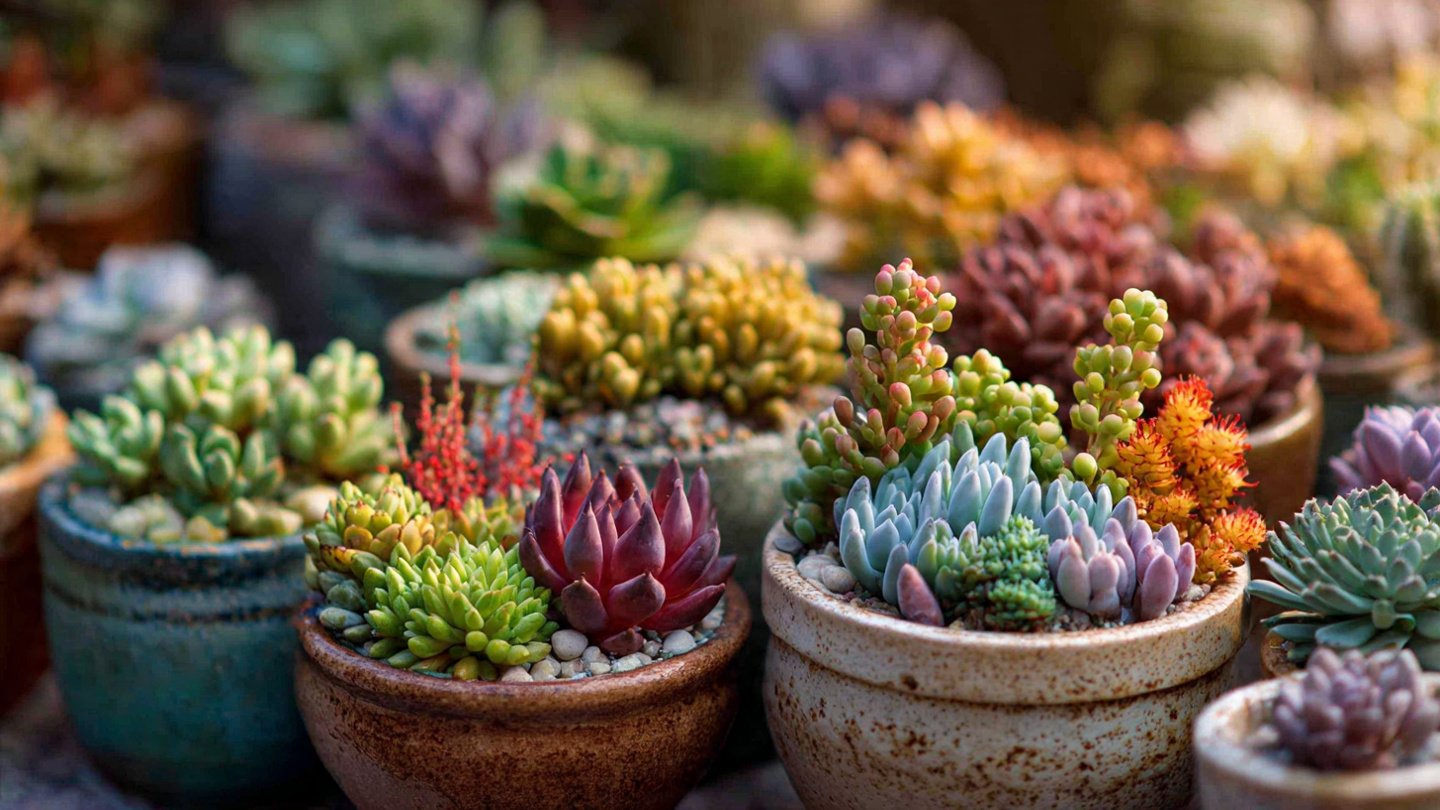
Succulents have taken the gardening world by storm, with their unique shapes, vibrant colors, and low maintenance requirements making them popular among both seasoned gardeners and newcomers. If you’ve ever admired these resilient plants and wanted to create a welcoming succulent garden at home, then this guide is for you. Here, we’ll delve into everything you need to know about growing beautiful succulents, from choosing the right varieties to caring for them.
Understanding Succulents
What Are Succulents?
Latest Posts
- A Comprehensive Guide to Successfully Growing Grape Vines in Your Backyard for Beginners and Experts Alike
- Best Tips for Successful Mango Growth in Containers
- Discover the Simple Steps for Successfully Growing Coriander in a Pot
- Discovering the Ultimate Guide to Growing African Violets from Leaf Cuttings
- Simple Techniques for Successfully Growing Seedless Grapes in Home Gardens
- Ultimate Guide to Growing Balsam Plants Naturally for Vibrant Blooms
- Discover the Secrets to Growing Lush Leek Leaves with Simple Hacks for Beginners
- How to Successfully Cultivate Sweet Cherries in the Unique Climate of Canada
- A Comprehensive Guide to Growing Dhania from Seeds for Beginners
- Simple and Effective Methods for Jade Plant Propagation at Home
Succulents are plants that have adapted to store water in their leaves, stems, or roots. This unique trait allows them to thrive in arid conditions, making them remarkably resilient. They belong to various plant families, including Cactaceae, Crassulaceae, and Euphorbiaceae, among others.
Why Grow Succulents?
-
Low Maintenance: Succulents require minimal watering and care, making them perfect for busy individuals or those who are new to gardening.
-
Aesthetic Appeal: Their diverse shapes, sizes, and colors can add a unique and modern aesthetic to any space.
-
Air Purification: Many succulents can help purify indoor air by removing toxins and releasing oxygen.
-
Versatile Planting Options: Succulents can be used in various types of gardens, including indoor, outdoor, terrariums, or even in hanging arrangements.
Choosing the Right Succulent Varieties
When starting your succulent garden, choosing the right varieties is crucial. Some popular succulent types include:
-
Echeveria: Known for their rosette shape and vibrant colors, these hardy plants are easy to care for and come in various species.
-
Aloe Vera: Not just decorative, Aloe Vera offers medicinal properties, making it a popular option.
-
Haworthia: These small, tough plants are perfect for beginners and can thrive in low light conditions.
-
Sedum: This low-growing succulent is often used as ground cover and comes in various shapes and textures.
-
Jade Plant (Crassula ovata): Known for its thick, waxy leaves, this plant symbolizes good luck and prosperity.

Setting Up Your Succulent Garden
Selecting the Right Location
Indoors vs. Outdoors: Determine where you want to establish your succulent garden. Succulents generally prefer bright, indirect sunlight. For outdoor gardens, choose a spot that gets plenty of sun but also offers some shade during the hottest parts of the day.
Choosing Containers
-
Drainage: Ensure your containers have drainage holes to avoid waterlogging. Succulents thrive in well-draining conditions.
-
Material: Terracotta pots are a popular choice as they allow moisture to evaporate, preventing root rot.
-
Size: Ensure that your containers are appropriately sized for the succulents. Overcrowding can lead to stunted growth.

Soil Requirements
Succulents require well-draining soil. A specialized cactus or succulent mix is ideal, or you can create your own by mixing regular potting soil with perlite or coarse sand for better drainage.
Planting Succulents
-
Preparing the Soil: If using a homemade soil mix, combine potting soil, perlite, and sand in a ratio of 2:1:1.
-
Planting: Fill the container with soil, leaving enough space for the succulent roots. Gently remove the plant from its nursery pot and place it in the container, ensuring the roots are covered but not buried too deep.
-
Watering: After planting, lightly water your succulents. Allow the soil to dry out completely before watering again.
Care and Maintenance
Watering Succulents
Watering is essential but can be tricky. The general rule is to water deeply but infrequently. Here’s how:
-
Frequency: Water every 1 to 2 weeks, allowing the soil to dry out completely between waterings.
-
Signs of Overwatering: Look for yellowing leaves, mushy stems, or a rotten smell, as these are indicators of overwatering.
-
Signs of Underwatering: Leaves may appear wrinkled or shriveled, showing that the plant needs more water.
Light Requirements
Most succulents prefer direct sunlight for several hours a day. However, be cautious with too much direct sun, particularly during the hottest months. Rotate your plants occasionally to ensure they grow evenly.
Fertilizing Succulents
Succulents don’t require heavy feeding. Use a diluted, balanced fertilizer during the growing season (spring and summer). Fertilize once a month, ensuring you skip fertilization during the winter months when the plants are dormant.
Pruning and Propagation
-
Pruning: Remove any dead or damaged leaves to encourage healthy growth. For leggy plants, prune back stems to promote bushier growth.
-
Propagation: Succulents can be easily propagated from leaves, offsets, or cuttings. Allow cuttings to dry for a few days to callous before replanting them in soil.
Designing Your Succulent Garden
Creating Arrangements
-
Mix Varieties: Combine different succulent types for a visually appealing garden. Consider varying colors, textures, and heights.
-
Layering: Use taller succulents in the back and shorter ones in front for a more dynamic look.
-
Hanging Arrangements: For a unique touch, consider using wall-mounted planters or hanging baskets.

Seasonal Changes
Adapt your succulent garden to reflect seasonal changes. In the winter, consider moving your potted succulents indoors in a sunny spot to protect them from frost.
Troubleshooting Common Issues
Pests
While succulents are generally pest-resistant, they can still attract pests such as mealybugs or aphids. Signs of infestation include sticky residue, webbing, or visible bugs. Use insecticidal soap or neem oil to treat the issues.
Disease
Root rot is the most common disease affecting succulents, usually due to overwatering. If you suspect root rot, remove the plant from its pot, trim away any rotting roots, and repot in fresh soil.
Frequently Asked Questions (FAQs)
Q1: How often should I water my succulents?
A: Water your succulents every 1 to 2 weeks, allowing the soil to dry out completely between waterings.
Q2: Can succulents grow in low light?
A: While some succulents can tolerate low light, most prefer bright, indirect sunlight. Consider using grow lights for indoor environments with limited sunlight.
Q3: Do succulents need fertilizer?
A: Succulents need minimal fertilizer. Use a diluted balanced fertilizer once a month during the growing season.

Q4: Can I grow succulents outdoors?
A: Yes, succulents can thrive outdoors in warm, sunny climates. Ensure they have well-draining soil and protection from frost.
Q5: How can I tell if my succulent is getting too much sun?
A: Signs of too much sun include brown, crispy patches on leaves or a bleached appearance. Consider moving them to a more shaded area.
Q6: How can I propagate my succulents?
A: You can propagate succulents using leaves, offsets, or stem cuttings. Let the cuttings dry for a few days before planting them in soil.
Q7: Can I plant different succulents together?
A: Yes, combining different varieties of succulents can create an interesting and visually appealing garden. Just ensure that they have similar water and light needs.
Conclusion
Creating a succulent garden at home is not just a rewarding project; it also enhances your living space with beautiful and resilient plants. With the right selection of succulents, proper care, and creativity in design, you can cultivate a vibrant and thriving garden. Follow the tips in this guide to ensure your succulents flourish, and enjoy the many benefits these extraordinary plants offer.
Happy gardening!