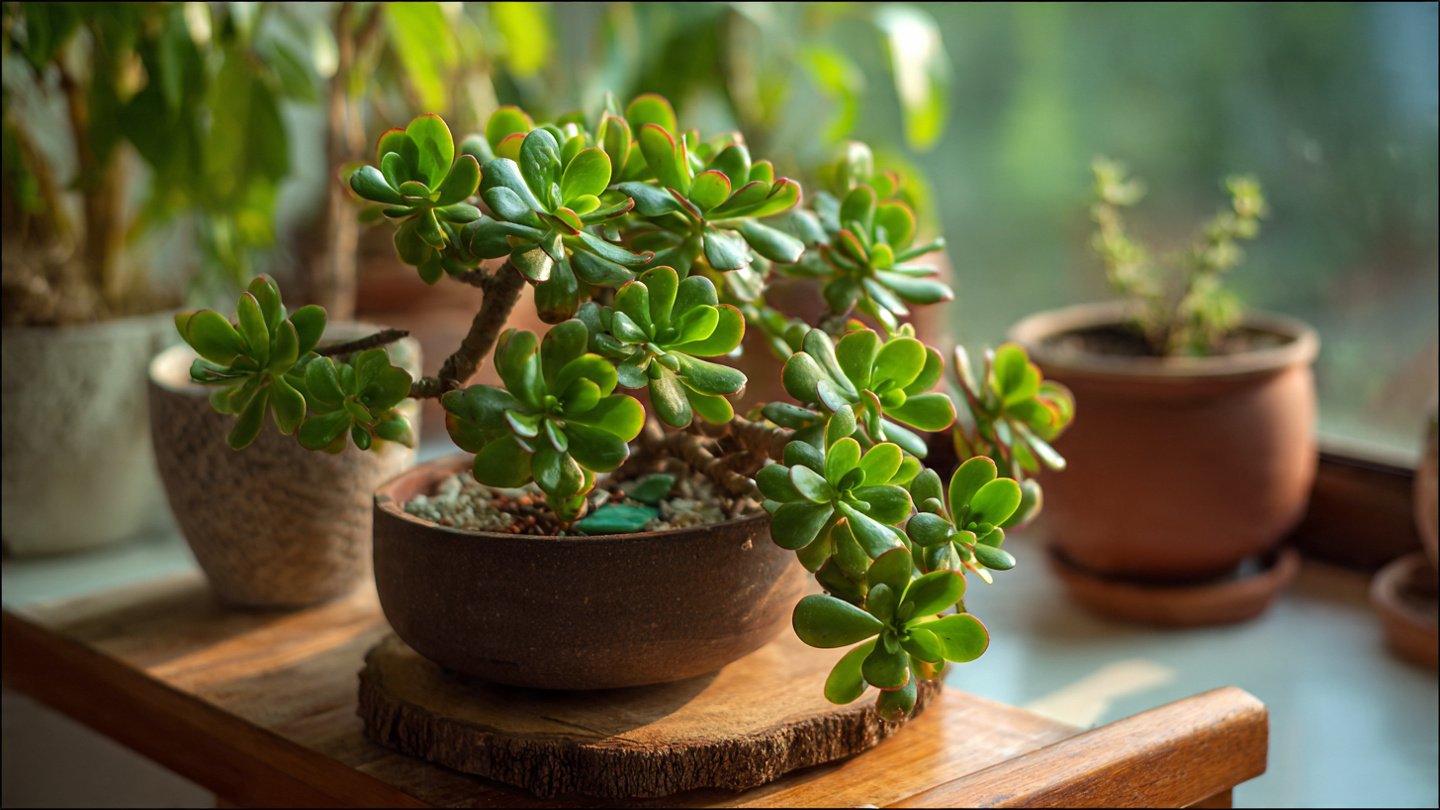
Jade plants, also known as Crassula ovata, are popular succulents cherished for their resilience, attractive round leaves, and potential to bring good luck and prosperity. Propagating jade plants at home is not only rewarding but also cost-effective, giving you the chance to expand your collection or share with friends. In this article, we will explore simple and effective methods for propagating jade plants, along with care tips and a helpful FAQ section.
Understanding Jade Plants
Before diving into propagation methods, it’s essential to understand what makes jade plants unique. Native to South Africa, jade plants are succulent shrubs that thrive in arid conditions, making them relatively easy to care for. They store water in their thick, fleshy leaves and can survive long periods without water, making them an ideal choice for novice gardeners.
Benefits of Propagating Jade Plants
- Cost-Effective: Sparing you the expense of buying new plants.
- Share with Friends: A great way to share a piece of your gardening passion.
- Fun and Engaging: Gardening offers mental wellness benefits and enhances your environment.
- Control Over Quality: You know exactly how the plant has been cared for.
Methods for Propagating Jade Plants
1. Leaf Cutting Propagation
Leaf cutting is perhaps the most common method for propagating jade plants. This method is simple and requires minimal effort.
Steps:
- Choose the Right Leaf: Select a healthy, plump leaf from a mature jade plant. Ensure that it is free from pests or diseases.
- Cut the Leaf: Use a sharp, sterile knife or scissors to remove the leaf from the stem. Make a clean cut to prevent damage.
- Allow to Callous: Place the leaf on a dry surface, away from direct sunlight, for 2-3 days. This allows the cut end to callous over, reducing the risk of rot.
- Prepare Potting Mix: Use a well-draining potting mix, preferably one designed for succulents. You can mix regular potting soil with coarse sand or perlite for improved drainage.
- Plant the Leaf: Once the cut end has calloused, plant the leaf upright in the soil, burying just the tip.
- Water Sparingly: Mist the soil lightly to ensure it’s humid but not soggy. Place the pot in bright, indirect light.
- Wait for Roots: In a few weeks, you will notice small roots forming at the base of the leaf, and eventually, a tiny plant will begin to emerge.
2. Stem Cutting Propagation
Stem cutting is another effective method for propagating jade plants, especially for those who may want to grow larger plants more quickly.

Steps:
- Select the Right Stem: Choose a healthy stem that is at least a few inches long.
- Cut the Stem: Using clean, sharp scissors, cut the stem just below a leaf node. The node is where leaves emerge and is essential for root development.
- Callous the Cut End: Similar to leaf cuttings, allow the cut end to dry and callous for a couple of days.
- Prepare the Soil: As in the leaf cutting method, use a well-draining soil mix.
- Plant the Stem: Insert the calloused stem into the soil, burying it a couple of inches deep.
- Water Wisely: Water lightly, ensuring the soil remains moist but not soggy.
- Provide Care: Place in a bright spot with indirect sunlight. Roots will develop in a few weeks, and new leaves will start forming.
3. Offsets Propagation
Offsets, or “pups,” are small plants that grow from the base of an established jade plant. This method is straightforward and often yields resilient plants.
Latest Posts
- A Comprehensive Guide to Successfully Growing Grape Vines in Your Backyard for Beginners and Experts Alike
- Best Tips for Successful Mango Growth in Containers
- Discover the Simple Steps for Successfully Growing Coriander in a Pot
- Discovering the Ultimate Guide to Growing African Violets from Leaf Cuttings
- Simple Techniques for Successfully Growing Seedless Grapes in Home Gardens
- Ultimate Guide to Growing Balsam Plants Naturally for Vibrant Blooms
- Discover the Secrets to Growing Lush Leek Leaves with Simple Hacks for Beginners
- How to Successfully Cultivate Sweet Cherries in the Unique Climate of Canada
- The Ultimate Guide to Successfully Growing Beautiful Succulent Garden Plants at Home
- A Comprehensive Guide to Growing Dhania from Seeds for Beginners
Steps:
- Identify Offsets: Look for healthy pups at the base of the mature plant.
- Remove the Pup: Gently separate the offset from the parent plant using a sterile knife. Make sure to retain some roots along with the pup.
- Allow to Dry: Let the offset sit for a day or two to callous over.
- Plant in Soil: Once the cut has healed, plant the offset in a well-draining potting mix.
- Water Sparingly: Water lightly and place the pot in bright, indirect sunlight.
- Monitor Growth: Offsets should begin to grow roots within a few weeks, developing into healthy new plants.
Care Tips for Newly Propagated Jade Plants
Light Requirements
Jade plants prefer bright, indirect sunlight. Too much direct sunlight can scorch the leaves, while too little can hinder growth. A south or east-facing window usually works best.
Watering
As succulents, jade plants are sensitive to overwatering. Allow the soil to dry out completely between watering. During the growing season (spring and summer), water more frequently, whereas in the dormant season (fall and winter), cut back on watering.
Fertilization
Feed your jade plants with a diluted, balanced fertilizer during the growing season. A quarter-strength solution every 4-6 weeks is sufficient. Avoid fertilizing during winter months when growth slows.

Potting
Use well-draining pots, preferably with drainage holes at the bottom. This helps prevent root rot and encourages healthy growth.
Common Problems and Solutions
Overwatering
Signs: Yellowing leaves, mushy stems.
Solution: Reduce watering frequency and ensure the pot drains well.
Pests
Signs: White sticky residue (aphids) or webbing (spider mites).
Solution: Wipe leaves with a damp cloth and treat with insecticidal soap if necessary.
Leaf Drop
Causes: Stress from changes in environment, overwatering, or underwatering.
Solution: Identify the stressor and adjust care accordingly.
FAQs
Q1: How long does it take for jade plant cuttings to root?
A: Typically, jade plant cuttings take about two to four weeks to root, depending on conditions like humidity and light.
Q2: Can I propagate a jade plant in water?
A: While some people do propagate in water, jade plants are more successful when propagated in soil due to their sensitivity to soggy conditions.
Q3: Should I use rooting hormone for jade plant propagation?
A: Rooting hormone is not necessary for jade plants but can encourage faster rooting if desired.
Q4: How often should I water my newly propagated jade plants?
A: Water sparingly, allowing the soil to dry out completely between waterings. During growth periods, a light misting and infrequent deeper watering is usually best.
Q5: When is the best time to propagate jade plants?
A: The best time for propagation is during the growing season, preferably in spring or early summer when the plant is actively growing.
Q6: Can I propagate a jade plant from a leaf that has fallen off?
A: Yes, fallen leaves can still be propagated, as long as they’re healthy and not damaged. Follow the same steps as leaf cuttings.
Conclusion
Propagating jade plants at home can be an enjoyable and satisfying experience. Utilizing methods like leaf cuttings, stem cuttings, and offsets allows you to expand your collection with minimal effort. With a few simple steps, you can create a thriving garden of these resilient, beautiful plants that not only beautify your space but may also bring a touch of good fortune to your life. Whether you’re a novice or an experienced gardener, jade plant propagation offers a variety of benefits and can be adapted to fit your unique gardening style. Happy planting!