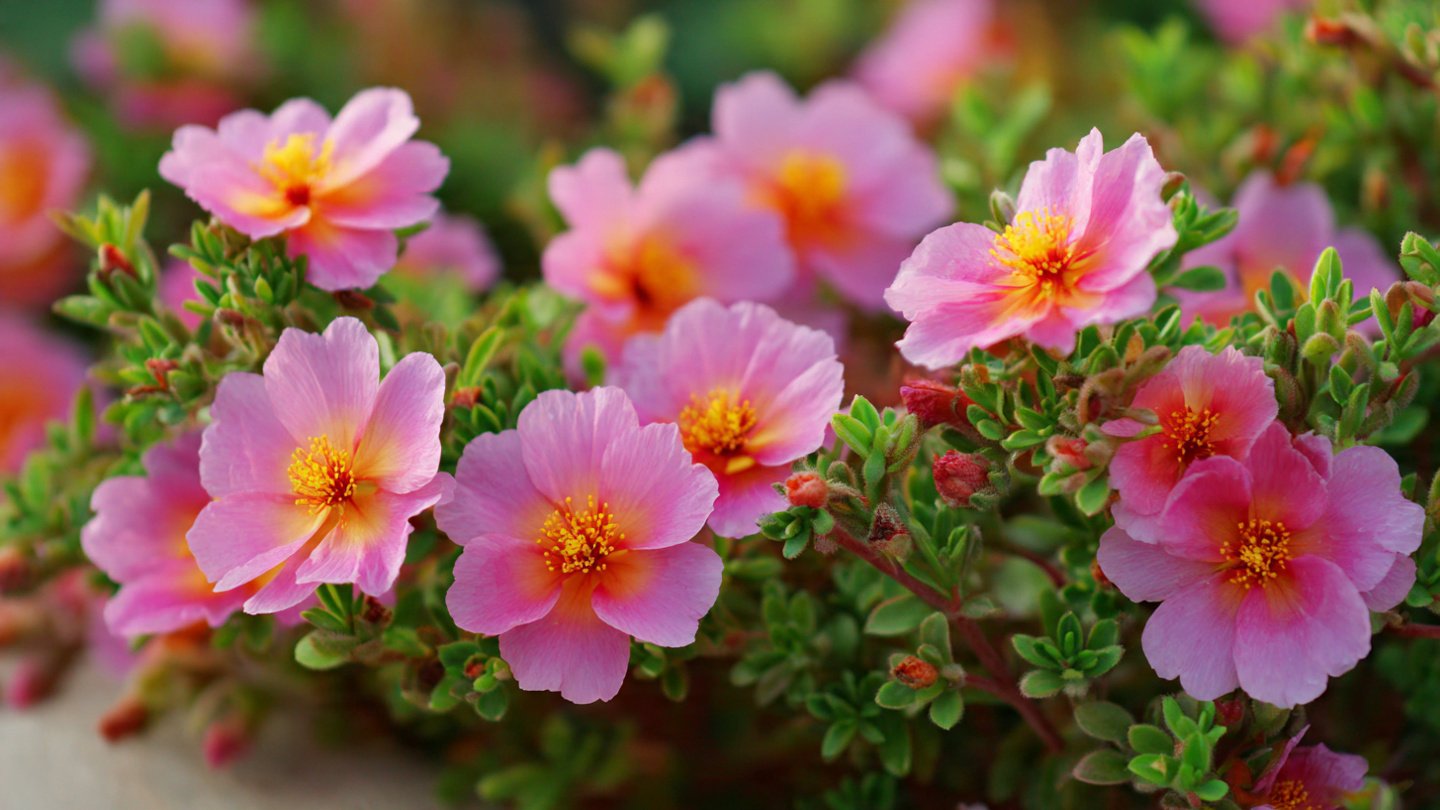
Portulaca, commonly known as moss rose or purslane, is a drought-tolerant succulent that flourishes in sunny conditions. Widely appreciated for its vibrant blooms and ease of care, portulaca is a favorite among gardeners seeking a low-maintenance yet colorful addition to their garden. This article provides a comprehensive guide on successfully growing portulaca from cuttings, making it easier for you to enjoy its beauty in your outdoor spaces.
Understanding Portulaca
Before delving into the propagation process, it’s essential to understand the nature of portulaca.
Latest Posts
- A Comprehensive Guide to Successfully Growing Grape Vines in Your Backyard for Beginners and Experts Alike
- Best Tips for Successful Mango Growth in Containers
- Discover the Simple Steps for Successfully Growing Coriander in a Pot
- Discovering the Ultimate Guide to Growing African Violets from Leaf Cuttings
- Simple Techniques for Successfully Growing Seedless Grapes in Home Gardens
- Ultimate Guide to Growing Balsam Plants Naturally for Vibrant Blooms
- Discover the Secrets to Growing Lush Leek Leaves with Simple Hacks for Beginners
- How to Successfully Cultivate Sweet Cherries in the Unique Climate of Canada
- The Ultimate Guide to Successfully Growing Beautiful Succulent Garden Plants at Home
- A Comprehensive Guide to Growing Dhania from Seeds for Beginners
Characteristics of Portulaca
-
Growth Habit: Portulaca is a trailing plant, which makes it suitable for ground cover or hanging baskets. Its succulent leaves store water, making it resilient even in hot and dry conditions.
-
Color and Variety: The plant produces vibrant flowers in shades of pink, yellow, orange, and white. With various species available, each has its unique color and shape to choose from.
-
Preferred Environment: Portulaca thrives in well-draining soil under full sun. It is tolerant of poor soil conditions and doesn’t require frequent watering.
-
Uses: Apart from its ornamental value, portulaca is edible. The leaves and stems can be consumed raw in salads or cooked as a vegetable.
Propagating Portulaca from Cuttings
Now that you have a foundational understanding of portulaca let’s explore how to propagate it using cuttings.

Step 1: Select Healthy Cuttings
-
Timing: The best time to take cuttings is during the spring or early summer when the plant is actively growing.
-
Choosing the Cutting: Look for healthy, disease-free stems. Each cutting should be at least 3 to 4 inches long. The cut should be made just below a leaf node where new growth is likely to occur.
Step 2: Prepare the Cuttings
-
Remove Lower Leaves: Gently strip away the lower leaves to expose the nodes. This step is crucial because the nodes are where the roots will develop.
-
Let Them Callous: Place the cuttings in a dry location for a few hours or overnight to allow the cut ends to callous over. This process reduces the risk of rot when planted.
Step 3: Choose the Right Medium
-
Soil Mix: Use a well-draining soil mix, such as a combination of potting soil, perlite, and sand. This enhances drainage, preventing waterlogged conditions that can lead to rot.
-
Containers: Use small pots or seedling trays for planting the cuttings. Ensure they have drainage holes.

Step 4: Plant the Cuttings
-
Planting: Make a small hole in the soil with a pencil or your finger, dip the cut end of the cutting in rooting hormone (optional), and insert it into the prepared hole. Firmly press the soil around the cutting to secure it.
-
Spacing: If planting multiple cuttings, space them at least 3 to 4 inches apart to provide room for growth.
Step 5: Watering and Care
-
Initial Watering: Gently water the cuttings after planting to settle the soil around them. Avoid over-watering since this can cause rot.
-
Light Conditions: Place the pots in a bright, indirect light location. Direct sunlight can scorch the cuttings during this early stage.
-
Humidity: If the environment is dry, you can create a mini greenhouse effect by covering the pots with a clear plastic bag or using a humidity dome. Be sure to ventilate occasionally to prevent mold.
Step 6: Monitoring Growth
-
Root Development: In 2 to 3 weeks, the cuttings should develop roots. You can gently tug on them to check for resistance. If they resist, roots are likely forming.

-
Transplanting: Once the cuttings have established roots, they can be transplanted to larger pots or directly into the garden. Ensure that they receive full sun exposure.
Step 7: Garden Placement
-
Soil Preparation: When ready to garden, prepare the soil by loosening it and mixing in some compost for added nutrients.
-
Spacing: Plant your portulaca cuttings about 12 inches apart to allow for their spreading habit.
-
Watering: After transplanting, water the plants thoroughly. They are quite drought-tolerant, but initial watering will help them settle in.
Ongoing Care for Portulaca
Once your portulaca is thriving in the garden, it requires minimal care:
-
Watering: Water only when the soil feels dry. Overwatering can lead to root rot.
-
Fertilizing: Fertilize lightly with a balanced fertilizer once or twice during the growing season.

-
Pruning: Deadheading spent blooms encourages more flowering and keeps the plants looking tidy.
-
Pest Management: Portulaca is generally pest-resistant, but you might encounter issues with aphids. Regularly check your plants and apply insecticidal soap if needed.
-
Winter Care: In colder climates, you may wish to bring potted portulaca indoors during winter, as it is not frost-tolerant. In warmer regions, it can tolerate light frost.
FAQs about Growing Portulaca from Cuttings
1. Can I grow portulaca in pots?
Yes, portulaca thrives in pots and is an excellent choice for containers. Ensure that the pot has adequate drainage holes to prevent waterlogging.
2. How long does it take for portulaca cuttings to root?
Typically, portulaca cuttings will root within 2 to 3 weeks under optimal conditions. Roots will start to form at the leaf nodes where the leaves were removed.
3. Do I need rooting hormone to propagate portulaca?
While using rooting hormone can enhance root development, it is not necessary. Portulaca is quite resilient and can root successfully without it.
4. How often should I water newly planted cuttings?

Initially, water the cuttings lightly when you first plant them. After that, water them only when the soil feels dry to the touch, as portulaca prefers drier conditions.
5. Can I propagate portulaca from seeds?
Yes, portulaca can also be propagated from seeds, but using cuttings is typically quicker and more reliable for producing new plants.
6. Is portulaca a perennial or annual plant?
Portulaca is generally considered an annual in most climates, but it can act as a perennial in very warm areas where winters are mild.
7. Will portulaca flower all summer?
Yes, portulaca blooms continuously throughout the summer, given enough sunlight and adequate conditions, making it a vibrant addition to any garden.
8. Can portulaca tolerate shade?
Portulaca thrives in full sun. While it may tolerate some partial shade, it will not flower as abundantly and may become leggy.
In summary, successfully growing portulaca from cuttings can be a rewarding gardening endeavor. With its vibrant blooms and low maintenance, portulaca can enhance your garden’s aesthetic appeal while requiring minimal care. Follow these steps, and your portulaca will not only thrive but also bring a burst of color to your outdoor space. Happy gardening!