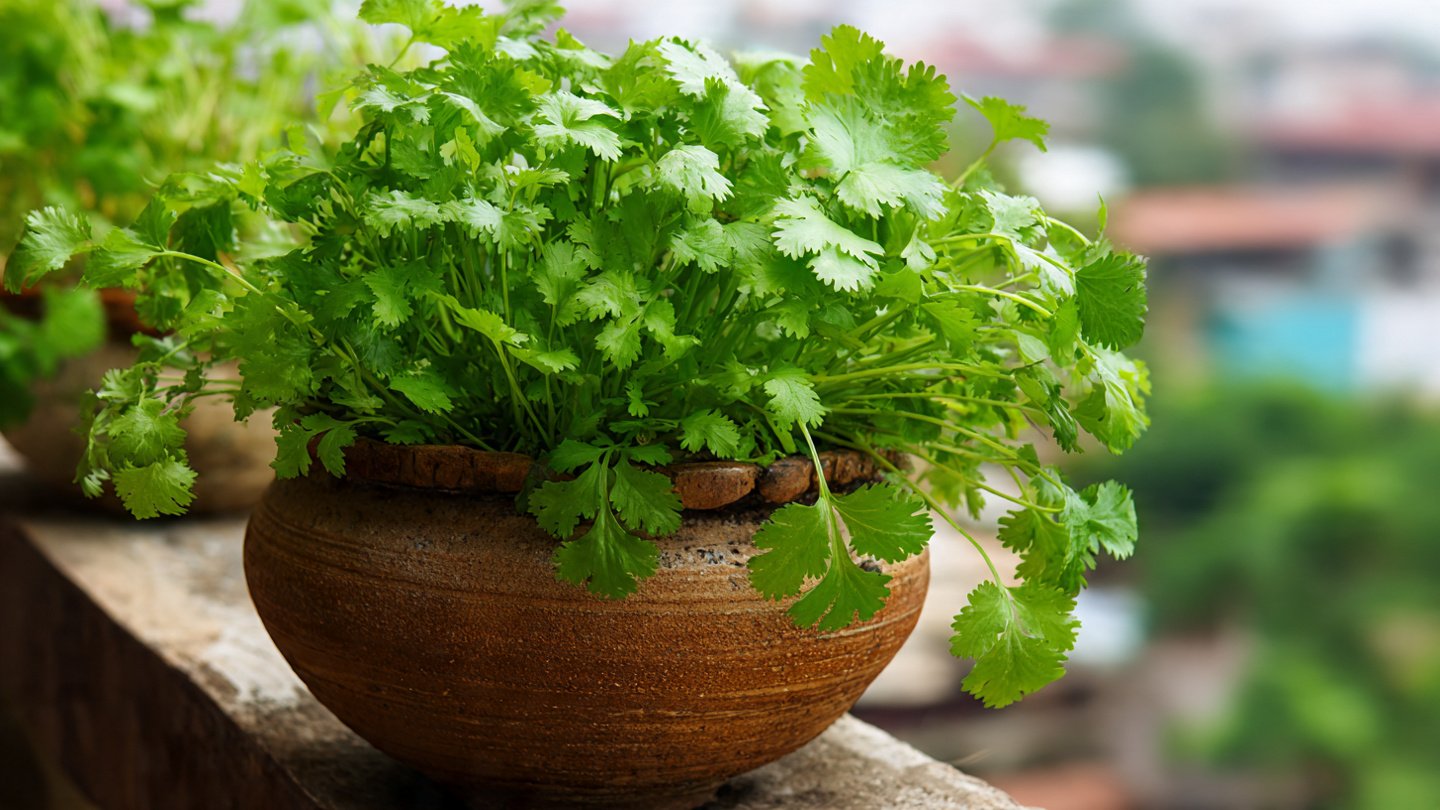
Coriander, also known as cilantro, is a versatile herb used in a variety of cuisines around the world. It adds a fresh, zesty flavor to dishes and is loaded with nutrients. If you’re an avid cook or just someone who loves gardening, growing coriander in a pot is a practical and rewarding experience. In this article, we’ll explore the step-by-step process for successfully cultivating coriander in a pot, from selecting the right container and soil to caring for your plants and harvesting your herbs.
Why Grow Coriander in a Pot?
Growing coriander in a pot has several advantages:
Latest Posts
- A Comprehensive Guide to Successfully Growing Grape Vines in Your Backyard for Beginners and Experts Alike
- Best Tips for Successful Mango Growth in Containers
- Discovering the Ultimate Guide to Growing African Violets from Leaf Cuttings
- Simple Techniques for Successfully Growing Seedless Grapes in Home Gardens
- Ultimate Guide to Growing Balsam Plants Naturally for Vibrant Blooms
- Discover the Secrets to Growing Lush Leek Leaves with Simple Hacks for Beginners
- How to Successfully Cultivate Sweet Cherries in the Unique Climate of Canada
- The Ultimate Guide to Successfully Growing Beautiful Succulent Garden Plants at Home
- A Comprehensive Guide to Growing Dhania from Seeds for Beginners
- Simple and Effective Methods for Jade Plant Propagation at Home
- Space Efficiency: If you live in an apartment or have limited outdoor space, pots allow you to cultivate your own herbs without needing a garden.
- Control: Growing in pots gives you control over soil quality, moisture levels, and plant placement, meaning you can optimize growing conditions.
- Mobility: Potted plants can be moved to take advantage of sunlight or protect them from harsh weather.
Step 1: Choosing the Right Pot
Container Size and Material
When choosing a pot for coriander, consider the following:
- Size: Opt for at least a 6-12 inch deep pot. This allows adequate space for the roots to grow.
- Material: Terra cotta, ceramic, and plastic pots all work, but ensure the pot has drainage holes to prevent waterlogging, which can lead to root rot.
Drainage
Good drainage is essential. Without it, water may accumulate at the bottom of the pot, damaging your coriander roots. You can enhance drainage by adding rocks or gravel at the bottom of the pot before adding soil.

Step 2: Selecting the Right Soil
Soil Type
Coriander thrives in well-draining soil. A high-quality potting mix is ideal. Look for:
- Amixture of peat moss, perlite, and compost: This combination offers nutrients and ensures good aeration and drainage.
- pH Level: Coriander prefers slightly acidic to neutral soil (pH 6.2 to 6.8).
Preparation
If you’re using regular garden soil, mix it with perlite or sand to improve drainage. A good ratio is one part garden soil, one part compost, and one part perlite or sand.
Step 3: Sowing Seeds
When to Plant
Coriander is a cool-season herb. It can be planted:
- Indoor: Start indoors 2-3 weeks before the last frost date.
- Outdoor: Directly sown outdoors once the danger of frost has passed (ideally in spring).
Seed Selection
You can buy coriander seeds from nurseries or online. Look for non-GMO, organic seeds for the best quality.
Planting Techniques
- Soak Seeds: Soaking coriander seeds overnight can help improve germination.
- Sow Seeds: Plant the seeds about 1/4 inch deep and 6 inches apart. You may want to plant several seeds in the same spot for a bushier plant.
- Cover and Water: Cover the seeds with soil, water gently, and keep the soil moist but not soggy.
Step 4: Selecting the Right Location
Sunlight Requirements
Coriander loves sunlight but it can scorch in extreme heat. For optimal growth:
- Sunlight Duration: Aim for at least 4-6 hours of direct sunlight per day.
- Positioning: If temperatures soar, consider positioning the pot where it can receive some afternoon shade.
Indoor Growing
If grown indoors, place your pot by a south or west-facing window. If natural light is insufficient, consider using grow lights.
Step 5: Watering and Fertilizing
Watering Needs
Coriander prefers evenly moist soil. Here’s how to effectively water your plants:
- Frequency: Water when the top inch of soil feels dry. Overwatering can be detrimental; always check soil moisture before watering.
- Method: Water at the base of the plant to avoid wetting the leaves.
Fertilizing
Coriander grows best with minimal fertilization. However, you can enhance growth by:
- Using a balanced, water-soluble fertilizer: Provide nutrients every 4-6 weeks.
- Organic Options: Compost tea can be an excellent organic fertilizer.
Step 6: Caring for Your Coriander Plant
Pruning
Regular pruning encourages bushier growth. Here’s how to do it:
- Harvesting Leaves: Snip off leaves as needed, cutting just above a leaf node.
- Thin Seedlings: When seedlings are about 2 inches tall, thin out weaker plants to allow better airflow and space for others.
Pest Management

Monitor your plant for pests like aphids or spider mites. Use organic insecticidal soap or neem oil to manage infestations.
Step 7: Harvesting
When to Harvest
Coriander can be harvested when the leaves are at least 6 inches tall. Here’s what to do:
- Leaves: Cut just above the node to encourage further growth.
- Seeds: If you allow your coriander to flower and produce seeds (cilantro), wait until the seeds turn brown and dry. Gather and store them for planting next season or cooking.
Timing
For best flavor, harvest in the morning when oils are most concentrated.
Frequently Asked Questions
1. How long does it take for coriander seeds to germinate?
Coriander seeds typically germinate in about 7 to 14 days, depending on soil warmth and moisture levels.
2. Can I grow coriander indoors?
Yes, coriander grows well indoors, provided it receives adequate sunlight (4-6 hours per day) or is placed under grow lights.
3. Why are my coriander leaves turning yellow?
Yellowing leaves can indicate overwatering, poor drainage, or nutrient deficiencies. Ensure proper watering and check soil conditions.
4. Can I grow coriander from store-bought coriander?
Yes, you can grow coriander from the seeds harvested from store-bought coriander plants or from dried coriander seeds available in spice stores.
5. How often should I water my coriander plant?
Water your coriander when the top inch of soil feels dry. Typically, this may mean watering every few days, but it can vary based on climate and pot size.
6. What can I do if my cilantro bolts?
If your cilantro bolts (flowers and goes to seed), it’s a natural lifecycle. You can leave it to produce seeds, or if you prefer to maintain the leaves, snip off flower stalks before they mature.
Growing coriander in pots is a fulfilling gardening project that adds flavor and freshness to your culinary creations. By following the simple steps outlined in this article, you can enjoy a vibrant crop of coriander right at your home. Whether you are a gardening novice or an experienced grower, you’ll find that cultivating this herb requires minimal effort for abundant results. Happy gardening!