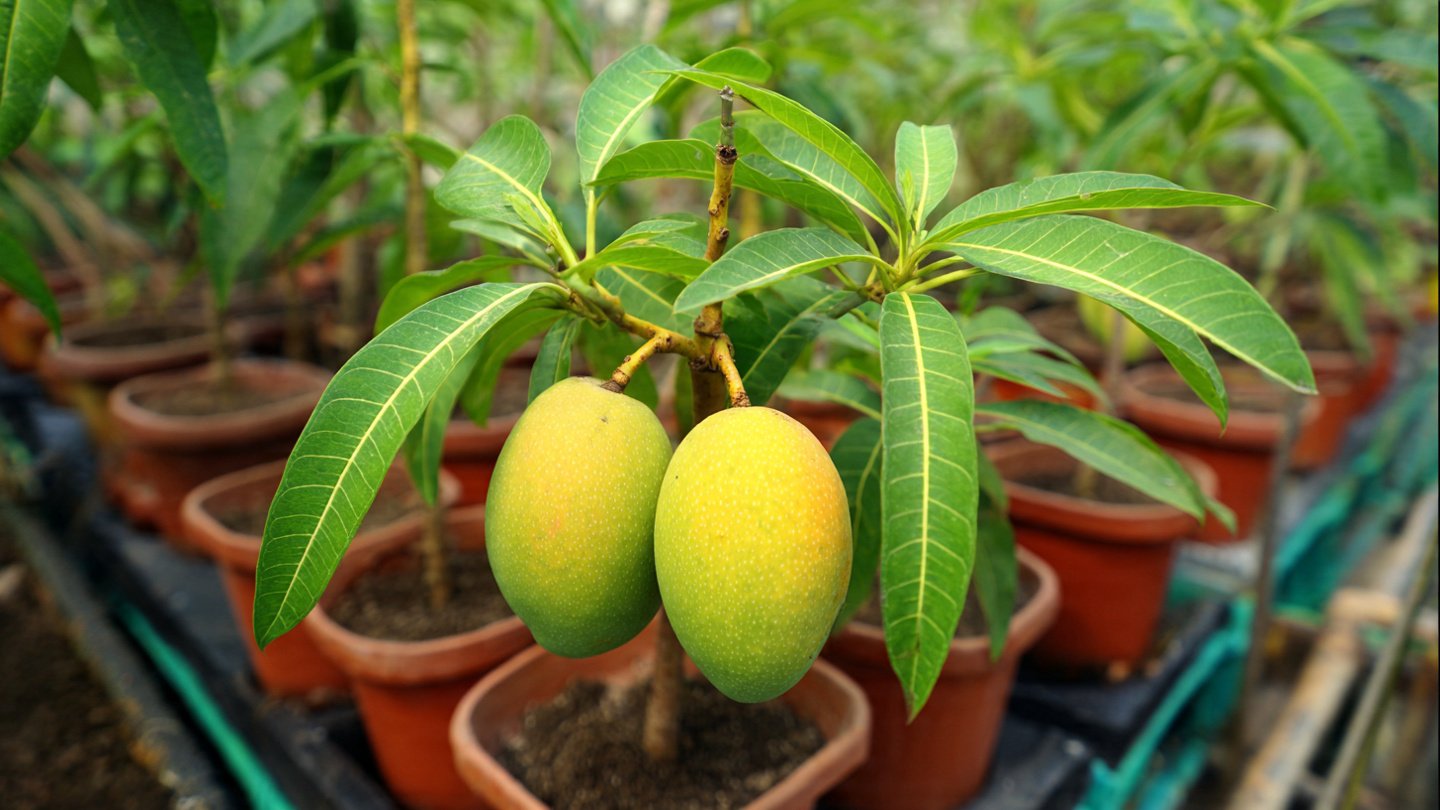
Mangoes are among the most beloved tropical fruits worldwide, renowned for their luscious sweetness and vibrant color. Growing mangoes in containers is a fantastic option for urban gardeners or those with limited space. Container gardening allows you to cultivate these tropical delights in a manageable way, ideal for small balconies, patios, or gardens. Below, we delve into the best tips for achieving successful mango growth in containers, ensuring that you enjoy this mouth-watering fruit from the comfort of your own home.
1. Choosing the Right Variety
When considering mango cultivation, selecting the right variety is crucial. Some mango varieties are more adaptable to container growth than others.
Latest Posts
- A Comprehensive Guide to Successfully Growing Grape Vines in Your Backyard for Beginners and Experts Alike
- Discover the Simple Steps for Successfully Growing Coriander in a Pot
- Discovering the Ultimate Guide to Growing African Violets from Leaf Cuttings
- Simple Techniques for Successfully Growing Seedless Grapes in Home Gardens
- Ultimate Guide to Growing Balsam Plants Naturally for Vibrant Blooms
- Discover the Secrets to Growing Lush Leek Leaves with Simple Hacks for Beginners
- How to Successfully Cultivate Sweet Cherries in the Unique Climate of Canada
- The Ultimate Guide to Successfully Growing Beautiful Succulent Garden Plants at Home
- A Comprehensive Guide to Growing Dhania from Seeds for Beginners
- Simple and Effective Methods for Jade Plant Propagation at Home
Recommended Varieties:
- ‘Pico’: A small and compact tree with delicious fruit.
- ‘Julie’: Known for its rich flavor and dwarf size, making it ideal for pots.
- ‘Haden’: Popular for its sweet, juicy flesh, it can also be grown in containers with proper care.
Research the growth requirements and characteristics of each variety to determine which aligns best with your climate and space.
2. Selecting the Container
The container you choose will play a significant role in your mango tree’s growth.
Container Size
- A 10 to 15-gallon container is typically ideal for young trees.
- Consider a 20-gallon or larger container for mature trees to allow ample root growth.
Material
- Terracotta: Aesthetic and breathable, but may require more frequent watering.
- Plastic: Lightweight and retains moisture well but may not provide the best temperature regulation.
- Fiberglass: Durable and insulating but can be more expensive.

Ensure the container has drainage holes at the bottom to prevent root rot.
3. Soil Type
Mango trees require well-draining soil enriched with organic matter. A suitable soil mix can enhance growth and fruit production.
Recommended Soil Mix
- 2 parts potting soil: Offers a base and nutrients.
- 1 part sand: Improves drainage and aeration.
- 1 part perlite or peat moss: Enhances moisture retention while maintaining drainage.
You can buy commercial mixes specifically designed for tropical fruit trees or make your blend.
4. Sunlight Requirements
Mango trees thrive in full sun.
Sunlight Exposure
- Aim for at least 8 hours of direct sunlight daily.
- If your container is moved, ensure it gets ample sunlight throughout the day.
If you’re growing mangoes indoors, place the container near a south-facing window where light exposure is maximized.
5. Watering Techniques
Proper watering is crucial in container gardening. Overwatering or underwatering can lead to poor growth or root diseases.
Watering Schedule
- Water the mango tree when the top inch of soil feels dry.
- Ensure the water runs through the drainage holes to prevent salt buildup.
During hot weather, containers may require watering every day, while cooler conditions might necessitate less frequent watering.
Water Quality
- Use rainwater or filtered water if possible, as mango trees are sensitive to chlorine and fluoride found in tap water.
6. Fertilization
Fertilizing your mango tree is essential during its active growing season.
Fertilization Schedule
- Use a balanced liquid fertilizer every month during the growing season (spring and summer).
- In fall, switch to a low-nitrogen fertilizer to promote root development before winter.
Organic Options
- Consider using fish emulsion or seaweed extract for a natural approach. Both provide essential nutrients and promote healthy growth.
7. Pruning
Pruning is vital to maintaining the shape and health of your mango tree.
When to Prune

- Prune in late winter or early spring before new growth begins.
- Remove dead or damaged branches and thin out crowded areas to promote airflow.
Benefits of Pruning
- Encourages a productive structure, allowing light to penetrate.
- Helps control the size of the tree, making it suitable for container growth.
8. Pest and Disease Management
Monitoring your mango tree for pests and diseases is crucial to ensure its health and productivity.
Common Pests
- Scale Insects: Remove manually or use insecticidal soap.
- Mealybugs: Treat with neem oil for effective control.
Diseases
- Powdery Mildew: Avoid overwatering and ensure good air circulation. Treat with fungicides if necessary.
Regularly inspect your mango tree and take prompt action if you notice any signs of distress.
9. Temperature and Climate
Mango trees require warmth to thrive and produce fruit.
Optimal Temperature
- Ideal growth temperatures range between 70°F to 100°F (21°C to 37°C).
- Protect young mango trees from frost; they are sensitive to cold.
If you live in a cooler climate, consider moving your container indoors during the winter months or wrapping the container in insulation.
10. Pollination
While many mango varieties are self-pollinating, they can benefit from cross-pollination for better fruit yield.
How to Encourage Pollination
- Plant two or more varieties to enhance cross-pollination.
- Attract bees by planting flowering plants nearby.
If growing indoors, consider gently shaking the branches to assist in pollination.
11. Harvesting
Once your mangoes are mature, it’s time to enjoy the fruits of your labor!
Signs of Ripeness
- Color changes to vibrant yellow, orange, or a mix depending on the variety.
- The aroma will increase as they ripen.
- Gently press the fruit; it should yield slightly when ripe.
Harvesting Tips
- Use pruning shears to carefully cut the fruit to avoid damaging the mango tree.
Conclusion
Growing mangoes in containers can be a rewarding experience, providing both beautiful foliage and delicious fruit. By following these tips—selecting the right variety, managing soil and sunlight, maintaining a proper watering schedule, and introducing adequate fertilization—you can cultivate healthy mango trees in limited spaces. Remember that patience is key; while it may take a few years for your tree to bear fruit, the joy of cultivating your mangoes is worth the wait.
FAQs
1. How long does it take for a mango tree to produce fruit in containers?
Typically, mango trees can take 3 to 6 years to bear fruit when grown in containers, depending on the variety and care.
2. Can I grow mango trees indoors?
Yes, but ensure they receive adequate sunlight—ideally placing them near a south-facing window—and manage their watering and temperature carefully.
3. What is the best time to repot a mango tree?
The best time to repot your mango tree is during early spring before new growth begins, typically every 2 to 3 years as the tree grows.
4. Do mango trees need a lot of water?
Mango trees require regular watering, especially in warm weather. However, ensure the pot has good drainage to prevent root rot.
5. Can I grow multiple mango varieties in one container?
It’s best to avoid planting multiple mango varieties in one container as they require space to grow and thrive. Separate containers allow better management of each tree’s needs.
6. What should I do if my mango tree is not flowering?
If your mango tree isn’t flowering, check for adequate sunlight, proper watering, and sufficient nutrients. Be patient, as flowering may take several years.
By following these guidelines, you can successfully grow beautiful mango trees in containers, allowing you to enjoy this exquisite fruit fresh from your home!