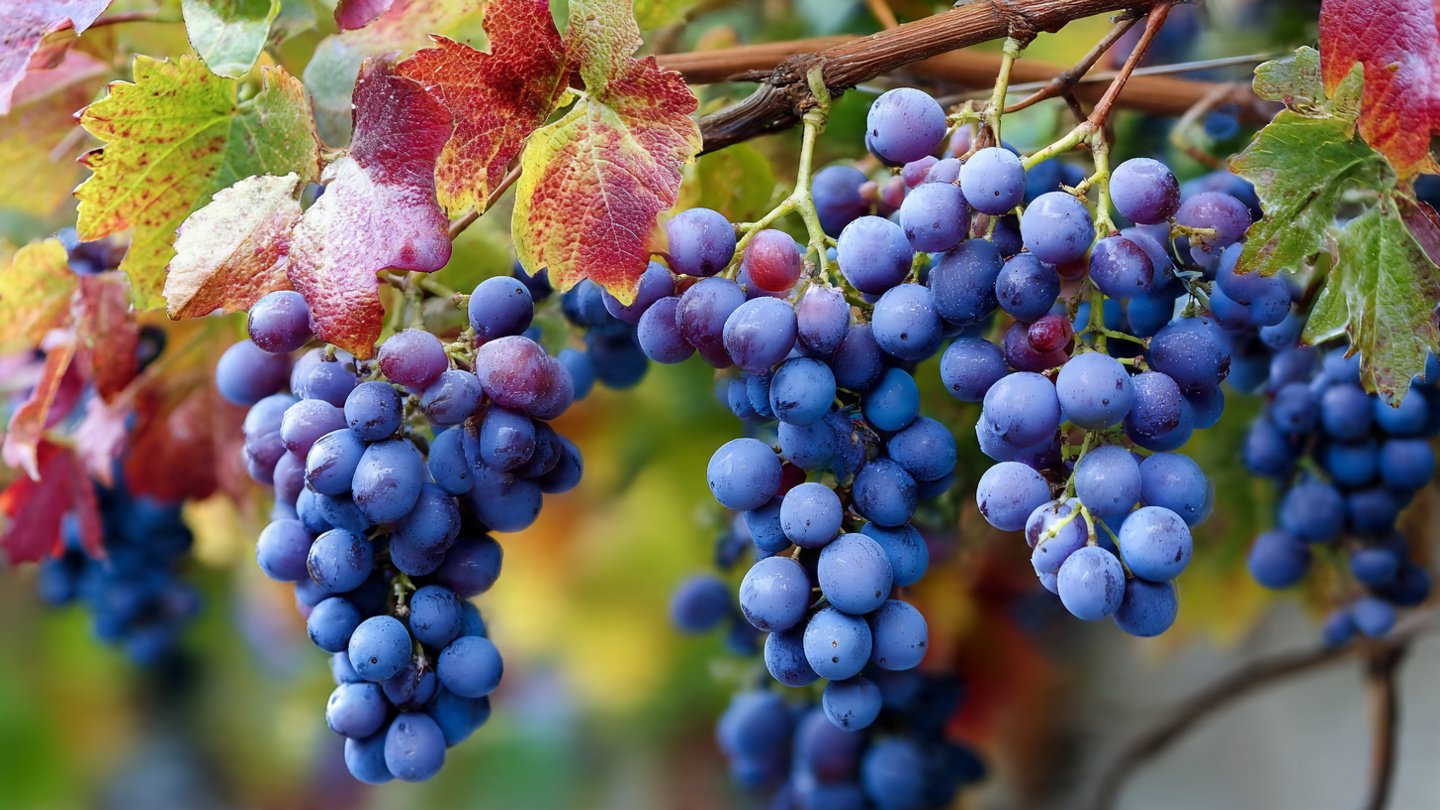
Concord grapes, known for their distinctive flavor and aroma, are a popular choice among home gardeners and commercial vineyard owners alike. They are sweet, hardy, and versatile, making them perfect for fresh eating, jams, jellies, and wine. Growing Concord grapes naturally requires an understanding of their needs and challenges, but with the right techniques, you can achieve optimal harvests. This article provides detailed methods to grow Concord grapes naturally while addressing frequently asked questions.
Understanding Concord Grapes
A Brief Overview
Latest Posts
- A Comprehensive Guide to Successfully Growing Grape Vines in Your Backyard for Beginners and Experts Alike
- Best Tips for Successful Mango Growth in Containers
- Discover the Simple Steps for Successfully Growing Coriander in a Pot
- Discovering the Ultimate Guide to Growing African Violets from Leaf Cuttings
- Simple Techniques for Successfully Growing Seedless Grapes in Home Gardens
- Ultimate Guide to Growing Balsam Plants Naturally for Vibrant Blooms
- Discover the Secrets to Growing Lush Leek Leaves with Simple Hacks for Beginners
- How to Successfully Cultivate Sweet Cherries in the Unique Climate of Canada
- The Ultimate Guide to Successfully Growing Beautiful Succulent Garden Plants at Home
- A Comprehensive Guide to Growing Dhania from Seeds for Beginners
Concord grapes (Vitis labrusca) are native to North America and thrive in a variety of climates. They are known for their dark purple color and unique flavor profile, which is often described as musky, sweet, and fruity. These grapes grow in clusters and ripen in late summer to early fall, usually around September.
Benefits of Growing Concord Grapes
- Nutritional Value: Concord grapes are rich in vitamins, particularly Vitamins C and K, and contain antioxidants that are beneficial for health.
- Environmental Impact: Grapes can be grown with minimal chemical intervention, promoting biodiversity and healthy soil.
- Economic Potential: Whether for personal consumption or commercial sale, Concord grapes can provide a profitable return on investment.
Preparing for Planting
1. Choosing the Right Location
Concord grapes require full sun for at least 6-8 hours per day. Look for a location that:
- Has well-drained soil.
- Is protected from strong winds.
- Provides some vertical space, as grapes need room to grow on trellises or arbors.
2. Soil Testing and Preparation
Conduct a soil test to determine pH and nutrient content. Concord grapes prefer slightly acidic to neutral soil (pH 6.0 to 7.0). If your soil is too acidic, you can add lime; if it’s too alkaline, sulfur can help lower the pH.

- Soil Amendment: Add organic matter, such as compost or well-rotted manure, to improve soil fertility and drainage.
- Tillage: Loosen the soil to a depth of at least 12 inches to encourage root development.
3. Selecting Grape Varieties
While the focus here is on Concord grapes, consider looking into different cultivars that are disease-resistant or have varying ripening times. This can help extend your harvest season.
Planting Concord Grapes
1. Choosing the Right Time
The best time to plant Concord grapes is in the early spring after the last frost or in late fall before freezing temperatures set in.
2. Planting Techniques
- Spacing: When planting, space your grapevines 6-10 feet apart to allow for adequate airflow and light penetration.
- Depth: Plant the vines at the same depth they were grown in the nursery. The root ball should be covered, but the graft union should remain above ground.
3. Trellising
Installing a trellis system is essential, as it supports grapevines and enhances air circulation, which helps prevent diseases. Common trellis systems include:
- Wire Trellis: Horizontal wires attached to posts at different heights (usually about 30-36 inches and 60-72 inches).
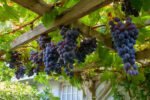
- Arbor or Pergola: For an ornamental appeal, growing grapes on an arbor can provide shade and aesthetic value.
Caring for Concord Grapes
1. Watering
Proper watering is crucial, especially during the first year.
- Frequency: Water young plants every week until they are established. Once mature, grapes are drought-resistant but will benefit from deep watering during dry spells.
- Method: Use drip irrigation or soaker hoses to minimize moisture on the foliage, reducing disease risk.
2. Mulching
Applying organic mulch around the base of the plants helps retain moisture, suppress weeds, and maintain a stable soil temperature. Use materials like straw, wood chips, or shredded leaves.
3. Fertilization
Natural fertilizers, such as compost or organic matter, are excellent for promoting healthy growth.
- Application: Fertilize in early spring and again in mid-summer with a balanced organic fertilizer that contains nitrogen, phosphorus, and potassium (N-P-K).
- Avoid Over-fertilization: Too much nitrogen can lead to excessive foliage growth at the expense of fruit production.
4. Pruning
Pruning is essential for maintaining a healthy, productive vine.
- When to Prune: Late winter or early spring, before new growth starts.
- How to Prune: Focus on removing dead or weak wood, and thin the canopy to allow sunlight into the vine.
5. Pest and Disease Management
Growing grapes naturally means managing pests and diseases without synthetic chemicals.
Common Pests:
- Japanese Beetles: Handpick or use traps.
- Grape Berry Moth: Use pheromone traps or introduce beneficial insects.
Common Diseases:
- Powdery Mildew: Ensure good air circulation and remove infected leaves.
- Downy Mildew: Apply a homemade remedy of a baking soda solution to affected areas.
6. Supporting Biodiversity
Encouraging beneficial insects can significantly improve the health of your grapevines. Planting companion plants, such as marigolds or lavender, can attract pollinators and other beneficial insects.
Harvesting Concord Grapes
1. Timing Your Harvest
Concord grapes typically ripen in late September to early October. Check for ripeness by observing:
- Color: A deep, dark purple color indicates readiness.
- Taste: Sample a few grapes for sweetness and flavor.
2. Proper Harvesting Techniques
- Method: Use pruning shears to cut the clusters from the vine, being careful not to damage other parts of the plant.
- Timing: Harvest in the morning for the best flavor and quality.

Storage and Use of Concord Grapes
1. Storing
Concord grapes can be stored in the refrigerator for about a week. To maintain freshness:
- Do not wash grapes until just before use.
- Store them in a breathable container to prevent moisture buildup.
2. Uses
Concord grapes can be consumed fresh, or processed into:
- Jams and Jellies: Their high pectin content makes them ideal for preserves.
- Juice and Wine: Their robust flavor is perfect for homemade juices and wines.
FAQs
Q1: What is the best companion plant for Concord grapes?
A: Good companion plants include marigolds, which deter pests, and legumes, which enrich the soil with nitrogen.
Q2: How often should I water my Concord grapes?
A: Water young plants weekly until established. Mature vines are drought-resistant but need deep watering during dry spells.
Q3: When should I prune my Concord grapes?
A: Prune in late winter or early spring before new growth starts.
Q4: How can I tell when my Concord grapes are ripe?
A: Ripe Concord grapes should be a deep purple color and sweet when tasted.
Q5: Can I grow Concord grapes in containers?
A: Yes, but choose a large pot (at least 5 gallons) and ensure it has good drainage. Use a trellis system for support.
Q6: What are the common pests that affect Concord grapes?
A: Common pests include Japanese beetles and grape berry moths. Both can be managed naturally through handpicking and introducing beneficial insects.
Q7: How long do Concord grape vines live?
A: With proper care, Concord grape vines can live for 30 years or more, producing fruit for many seasons.
Conclusion
Growing Concord grapes naturally can be a rewarding endeavor, offering not only delicious fruit but also environmental benefits. By following the best practices for site selection, soil preparation, watering, pruning, and pest management, you can ensure a fruitful harvest year after year. Whether for personal use or commercial sale, Concord grapes can thrive with a little effort and natural care. Happy gardening!