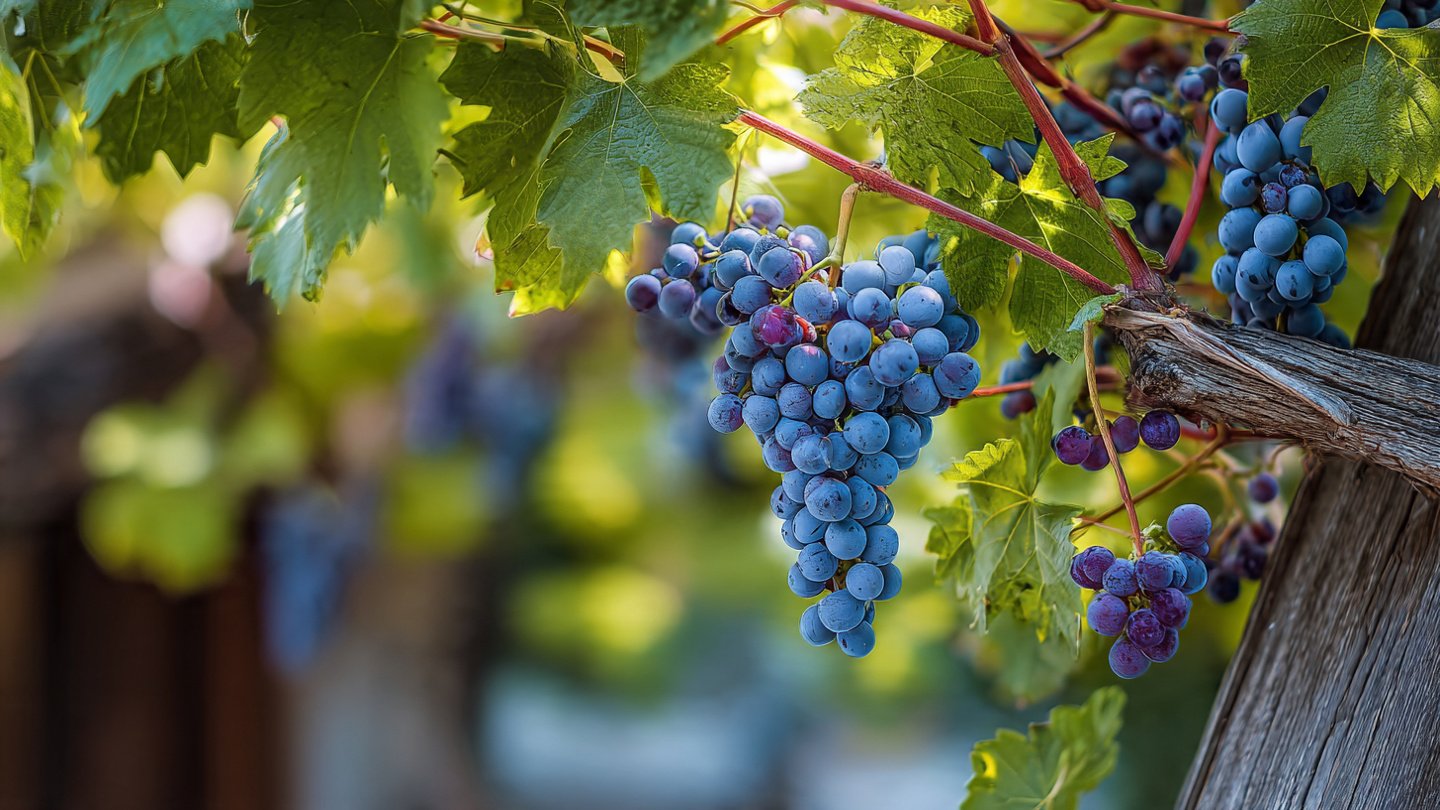
Growing grapevines can be a rewarding endeavor, whether you’re a seasoned gardener or just starting. Grapes are not only delicious but also versatile, serving as snacks, ingredients for wine, and additions to various dishes. This comprehensive guide will walk you through everything you need to know to successfully cultivate grapevines in your backyard.
Understanding the Basics of Grape Varieties
Before diving into the specifics of planting and caring for grapevines, it’s crucial to understand the various types of grapes available. Here are the primary categories:
- Table Grapes: These are the sweet varieties consumed fresh. Popular types include Thompson Seedless and Concord.
- Wine Grapes: Used for winemaking, these grapes are smaller, have seeds, and boast complex flavors. Pinot Noir and Cabernet Sauvignon are notable examples.
- Seedless Grapes: Varieties like Red Globe and Autumn Royal are popular for their convenience and sweetness.
- Hybrid Grapes: These are created by crossing different species to achieve desirable traits, such as disease resistance or unique flavors.
Choosing the Right Location
Sunlight Requirements
Grapevines thrive on sunlight. For optimal growth, choose a spot that receives at least 6 to 8 hours of direct sunlight each day. A sunny southern or southwestern exposure is ideal.
Soil Quality
Grapevines prefer well-drained soil rich in organic matter. Sandy loam or loamy soils are best. A pH level of 5.5 to 7.0 is preferred. Test your soil and amend it accordingly by incorporating compost or well-rotted manure.

Space Considerations
Grapevines require ample space to flourish. Ensure that you plant them at least 5 to 8 feet apart to allow for proper airflow and sunlight penetration, which helps reduce the risk of fungal diseases.
Latest Posts
- Best Tips for Successful Mango Growth in Containers
- Discover the Simple Steps for Successfully Growing Coriander in a Pot
- Discovering the Ultimate Guide to Growing African Violets from Leaf Cuttings
- Simple Techniques for Successfully Growing Seedless Grapes in Home Gardens
- Ultimate Guide to Growing Balsam Plants Naturally for Vibrant Blooms
- Discover the Secrets to Growing Lush Leek Leaves with Simple Hacks for Beginners
- How to Successfully Cultivate Sweet Cherries in the Unique Climate of Canada
- The Ultimate Guide to Successfully Growing Beautiful Succulent Garden Plants at Home
- A Comprehensive Guide to Growing Dhania from Seeds for Beginners
- Simple and Effective Methods for Jade Plant Propagation at Home
Planting Grape Vines
When to Plant
The best time to plant grapevines is in early spring after the last frost or in the fall, about 6 weeks before the first frost. This gives the roots time to establish themselves in cooler soil.
How to Plant
- Prepare the Site: Clear the planting area of grass and weeds. Dig a hole that is about twice the width and depth of the root ball.
- Plant the Vines: Place the vine in the hole, ensuring that the roots are spread out. Cover the roots with soil, and water thoroughly to eliminate air pockets.
- Mulching: Apply a 2-3 inch layer of mulch around the base. This helps conserve moisture and suppress weeds.
Training and Supporting Your Vines
Trellising
As grapevines grow, they need support. Installing a trellis system allows for better airflow, sunlight exposure, and ease of harvest. You can choose from various designs:
- Vertical Trellis: Simple and effective, consisting of posts and wires.
- Arbor: Provides both support and shade, adding aesthetic value to your garden.
- Pergola: A larger structure that can cover more area and create a wonderful outdoor space.
Pruning
Pruning is essential for the health and productivity of grapevines. It encourages new growth and helps maintain structure.
- Timing: Late winter or early spring is the best time to prune before new growth begins.
- Method: Remove any dead, damaged, or overcrowded branches. Keep in mind that grapevines produce fruit on one-year-old wood; leaving 6-10 healthy buds per vine after pruning is ideal.
Watering and Fertilizing
Watering
Grapevines prefer deep but infrequent watering.
- New Vines: Water twice a week during the first few months after planting.
- Established Vines: Water every 1-2 weeks, depending on rainfall. Ensure soil moisture before watering.
Fertilizing
Grapes typically do not need excessive fertilization.
- Organic Matter: Incorporate compost into the soil at planting and as a top dressing each year.
- Fertilizer Application: Apply a balanced fertilizer (10-10-10) in early spring, but avoid over-fertilizing, as it can lead to excessive foliage growth with fewer grapes.
Managing Pests and Diseases
Common Pests
- Grape Berry Moth: These moths can ruin your grape crop. Use traps or organic pesticides to manage them.
- Spider Mites: Look for signs of webbing on leaves. A strong spray of water can help dislodge them.
- Aphids: These pests suck sap from vines. Remove them by hand or apply neem oil.
Disease Prevention
- Powdery Mildew: This fungus thrives in humid conditions. Ensure good airflow and spray with a sulfur-based fungicide if needed.
- Botrytis (Gray Mold): Affects grape clusters in wet conditions. Keep leaves dry and remove affected clusters immediately.
- Phylloxera: This root louse can devastate vineyards. Choose resistant rootstocks when planting to mitigate risk.
Harvesting Your Grapes
When to Harvest
Determining when grapes are ripe is crucial. Look for the following signs:
- Color Change: The variety will dictate the color; grapes should be fully colored and plump.
- Taste Test: A simple taste test is one of the best ways to determine ripeness. Grapes should be sweet and flavorful.
- Wrinkle Check: Slight wrinkling of the skin indicates high sugar content.
How to Harvest
- Timing: Harvest in the morning when temperatures are cooler.
- Tools: Use sharp shears for a clean cut and avoid damaging the vine.
- Handling: Handle grapes carefully to avoid bruising.
Enjoying Your Grapes
Once harvested, you can enjoy your grapes fresh, use them in recipes, or turn them into wines. If making wine, ensure you follow a proper winemaking process to ferment, age, and bottle your product.

FAQs Section
Q1: How long does it take for a grapevine to produce fruit?
Grapevines typically start producing fruit in 2-3 years after planting, depending on the variety and growing conditions.
Q2: Can I grow grapes in pots?
Yes, grapes can thrive in pots, provided they have enough space and proper drainage. Choose a large container and ensure it receives adequate sunlight.
Q3: What is the best way to protect grapevines in winter?
Mulch around the base of the vines and cover them with burlap or protective cloth if you live in an area with harsh winters.
Q4: Do grapevines need a lot of water?
While grapevines prefer deep watering, they do not require excessive moisture. Overwatering can lead to root rot.

Q5: Are grapevines self-pollinating?
Yes, most grapevines are self-pollinating, which means you can grow a single vine without needing multiple plants for fertilization.
Conclusion
Growing grapevines in your backyard can be an enriching experience, both in terms of gardening and enjoying the fruits of your labor. With proper planning, care, and patience, you can cultivate healthy, productive vines that yield delicious grapes for years to come. Whether you are a beginner or have some experience, these guidelines will help you succeed in your grape-growing journey. Happy gardening!