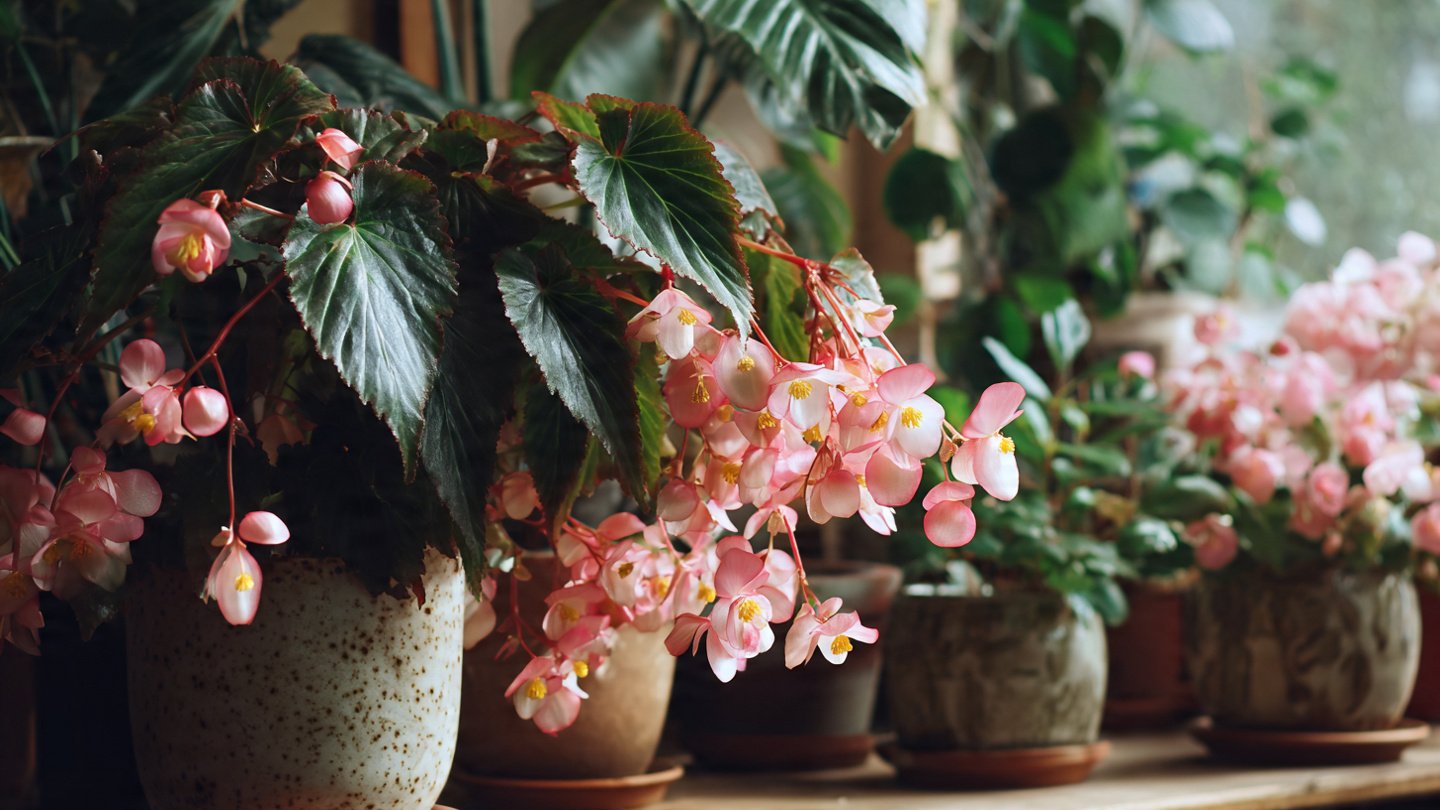
Begonias are among the most popular houseplants, known for their stunning foliage and vibrant blooms. With numerous species and hybrids, these perennial plants can fit into almost any indoor decor. This guide will provide you with all the essential information on successfully growing begonias indoors, ensuring they thrive in your home environment.
Understanding Begonias
Latest Posts
- A Comprehensive Guide to Successfully Growing Grape Vines in Your Backyard for Beginners and Experts Alike
- Best Tips for Successful Mango Growth in Containers
- Discover the Simple Steps for Successfully Growing Coriander in a Pot
- Discovering the Ultimate Guide to Growing African Violets from Leaf Cuttings
- Simple Techniques for Successfully Growing Seedless Grapes in Home Gardens
- Ultimate Guide to Growing Balsam Plants Naturally for Vibrant Blooms
- Discover the Secrets to Growing Lush Leek Leaves with Simple Hacks for Beginners
- How to Successfully Cultivate Sweet Cherries in the Unique Climate of Canada
- The Ultimate Guide to Successfully Growing Beautiful Succulent Garden Plants at Home
- A Comprehensive Guide to Growing Dhania from Seeds for Beginners
Classification and Varieties
Begonias belong to the family Begoniaceae and are native to tropical and subtropical regions around the world. There are about 1,800 known species of begonias, which can be broadly classified into three main categories:
-
Fibrous-rooted begonias: These include species such as Begonia semperflorens, which are great for beginners and produce stunning flowers in various colors.
-
Tuberous begonias: Known for their large, bold blooms, these begonias require a dormancy period but are worth the attention when flowering season arrives.
-
Rhizomatous begonias: Characterized by their thick, fleshy rhizomes and unique leaf shapes, such as the popular Begonia rex, these plants are prized for their ornamental foliage.
Why Grow Begonias Indoors?
- Aesthetic Appeal: With their diverse leaf shapes, colors, and sizes, begonias can enhance any room’s aesthetics.
- Air Quality: Many houseplants, including begonias, help purify indoor air, contributing to a healthier living environment.
- Low Maintenance: Once you understand their needs, begonias are relatively easy to care for, making them suitable for both novice and experienced gardeners.
Growing Conditions for Indoor Begonias

1. Light Requirements
Begonias thrive in bright, indirect light but can also tolerate partial shade. Ideal locations include:
- East-Facing Windows: Provide morning sun without the harsh afternoon heat.
- Filtered Light: Using sheer curtains can diffuse bright sunlight, providing optimal growing conditions.
2. Temperature and Humidity
Begonias prefer warm conditions. Here are some guidelines:
-
Temperature: Maintain indoor temperatures between 60°F and 75°F (15°C – 24°C). Avoid exposing them to temperatures below 50°F (10°C).
-
Humidity: These plants enjoy high humidity levels (around 50-70%). You can increase humidity by:
- Using a humidity tray filled with water and pebbles.
- Misting the plants regularly, particularly during dry winter months.
- Grouping plants together to create a more humid microclimate.
3. Soil and Potting
Begonias prefer well-draining soil with organic matter. Here’s how to prepare the right mix:
- Potting Mix: A blend of potting soil, perlite, and peat works well.
- Container: Ensure pots have drainage holes to prevent waterlogging.
4. Watering Guidelines
Proper watering is crucial. Here’s how to do it right:
- Frequency: Water when the top inch of the soil feels dry.
- Method: Water deeply, allowing excess water to drain out of the bottom. Avoid letting begonias sit in water, as this can lead to root rot.
Caring for Indoor Begonias
1. Fertilization
Fertilizing your begonias will help them grow robustly. Recommendations include:
- Type: Use a balanced, water-soluble fertilizer, diluted to half-strength.
- Frequency: Fertilize every 4-6 weeks during the growing season (spring and summer) but reduce in fall and winter when growth slows.
2. Pruning
Regular pruning helps maintain a bushy shape and encourages new growth:
- Deadheading: Remove spent blooms to redirect energy into new growth.
- Leaf Removal: Trim off any yellow or damaged leaves to prevent disease.
3. Pest and Disease Management
Begonias can be susceptible to pests and diseases. Here’s how to manage them:
- Common Pests: Aphids, spider mites, and mealybugs. Inspect plants regularly and treat infestations with insecticidal soap or neem oil.
- Fungal Diseases: Issues like root rot and powdery mildew can arise from overwatering. Ensure good airflow and avoid watering leaves directly.
Propagating Begonia Plants
1. Leaf Cuttings
This method is perfect for fibrous-rooted and rhizomatous begonias:
- Step 1: Select a healthy leaf and cut it into sections, making sure each piece has a vein.
- Step 2: Place the cuttings in a moistened potting mix, burying them slightly.
- Step 3: Cover with a plastic bag or dome to maintain humidity until roots develop.
2. Division
For tuberous begonias, division works well:
- Step 1: After the growing season ends, dig up the tuber and gently separate it into sections, ensuring each has roots.
- Step 2: Repot in fresh soil and care for them as you would mature plants.
Common Challenges and Solutions
1. Yellowing Leaves
Causes: Overwatering, underwatering, or poor lighting.
Solutions: Adjust your watering schedule or reposition the plant.
2. Stunted Growth
Causes: Insufficient light or nutrients.
Solutions: Move to a brighter location or start a regular fertilization routine.
3. Dropping Leaves
Causes: Sudden temperature changes or low humidity.
Solutions: Maintain consistent temperatures and increase humidity around the plant.
FAQs
1. Can I grow begonias in low light?
While begonias prefer bright, indirect light, some varieties can tolerate lower light conditions. However, flowering may be sparse.
2. How often should I water my begonias?

Water when the top inch of soil feels dry. This usually means watering once a week, but the frequency may vary based on the environment.
3. Why are the leaves on my begonia curling?
Leaf curling can be caused by underwatering, overwatering, or pest infestations. Check your watering routine and inspect for pests.
4. Can begonias be grown outside?
Yes, many begonias can thrive outdoors in shaded areas during the warm months. Just ensure they are brought back indoors before frost.
5. Do begonias need a lot of fertilizer?
Begonias do not require excessive fertilization. Using a balanced, diluted fertilizer once every 4-6 weeks during the growing season is sufficient.
6. How do I know if my begonia is getting too much water?
Check for yellowing leaves, wilting, or mushy stems. If the soil remains wet for prolonged periods, you may be overwatering.
7. What’s the best way to propagate tuberous begonias?
The best method is through division during the dormant period. Make sure each section has viable roots for successful growth.
Growing begonias indoors can be a rewarding endeavor, offering beauty and vibrancy to your living space. With the right light, temperature, humidity, and care, your begonias will flourish, providing delightful foliage and flowers throughout the seasons. Whether you’re an experienced gardener or a beginner, following these guidelines will help you successfully incorporate begonias into your home environment. Enjoy your journey with these exquisite plants!