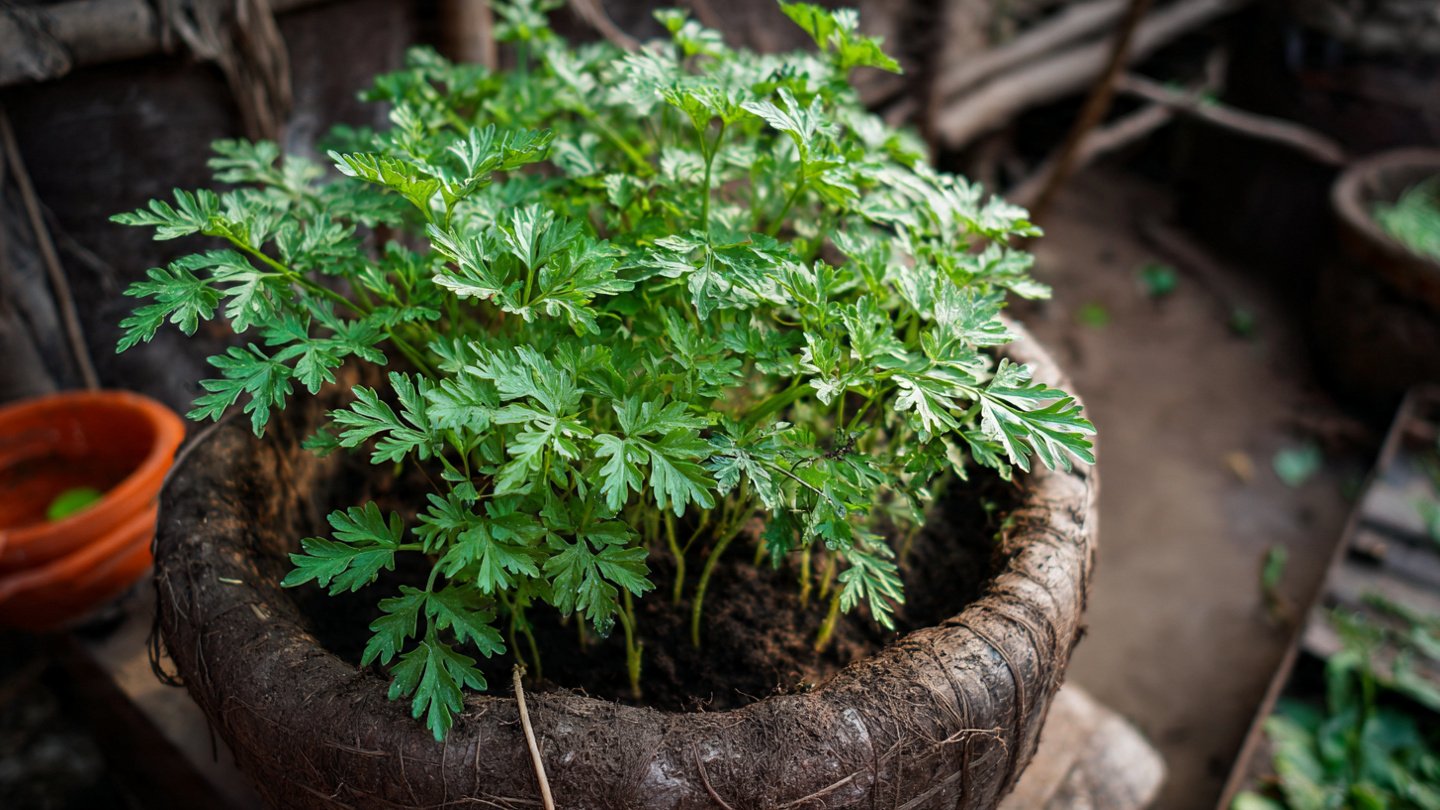
Growing your own herbs can be a rewarding hobby, and one herb that has gained immense popularity in various cuisines is dhania, also known as coriander or cilantro. This herb is easy to grow, requires minimal effort, and can elevate the flavor of your dishes. In this comprehensive guide, we’ll explore everything you need to know about growing dhania from seeds, perfect for beginners.
Understanding Dhania
What is Dhania?
Latest Posts
- A Comprehensive Guide to Successfully Growing Grape Vines in Your Backyard for Beginners and Experts Alike
- Best Tips for Successful Mango Growth in Containers
- Discover the Simple Steps for Successfully Growing Coriander in a Pot
- Discovering the Ultimate Guide to Growing African Violets from Leaf Cuttings
- Simple Techniques for Successfully Growing Seedless Grapes in Home Gardens
- Ultimate Guide to Growing Balsam Plants Naturally for Vibrant Blooms
- Discover the Secrets to Growing Lush Leek Leaves with Simple Hacks for Beginners
- How to Successfully Cultivate Sweet Cherries in the Unique Climate of Canada
- The Ultimate Guide to Successfully Growing Beautiful Succulent Garden Plants at Home
- Simple and Effective Methods for Jade Plant Propagation at Home
Dhania is an annual herb belonging to the Apiaceae family, which also includes carrots, celery, and parsley. Originating from regions in Europe, the Middle East, and Asia, it has become a staple in various culinary traditions, especially in Indian, Mexican, and Middle Eastern cuisines. The leaves are commonly referred to as cilantro, while the seeds are known as coriander.
Benefits of Growing Dhania
-
Culinary Uses: Fresh dhania leaves add vibrant flavor to dishes like curries, salads, salsas, and garnishes.
-
Health Benefits: Dhania is rich in vitamins A, C, and K, along with minerals like potassium and magnesium. Additionally, it holds anti-inflammatory, antioxidant, and antimicrobial properties.
-
Easy to Grow: It thrives in a variety of conditions and requires minimal maintenance.
-
Cost-Effective: Growing your own dhania saves money and reduces reliance on store-bought herbs, which can be overly priced or wilted.
Choosing the Right Seeds
Before you start planting, selecting high-quality seeds is crucial. Look for organic or heirloom seeds from trusted sources to ensure good germination rates and better flavor. You may find different varieties, but the two most common are:
- Coriandrum sativum: This is the most popular type, known for both its leaves and seeds.
- Coriander leaves (Cilantro): Specifically for leafy varieties favored in salads and garnishes.
Preparing to Grow Dhania
Timing
Dhania can be grown year-round in temperate climates. However, the best time to plant is during spring (for a summer harvest) or fall (for a winter harvest). Dhania thrives in cooler temperatures, ideally between 50°F and 70°F (10°C to 21°C).
Soil Requirements
-
Soil Type: Dhania prefers well-draining, loamy soil enriched with organic matter. Avoid heavy clay, which can hinder root growth.
-
pH Level: Aim for a pH between 6.2 and 6.8 for optimal growth.
-
Preparation: Work organic compost or well-rotted manure into your soil to improve its fertility and drainage.
Container or Garden Bed
If you lack garden space, dhania can easily be grown in containers. Choose pots that are at least 6 to 8 inches deep with drainage holes. For garden beds, ensure enough space, ideally about 12 to 24 inches apart, to allow for healthy growth.
Planting Dhania Seeds
Step-by-Step Guide
-
Sowing Seeds Indoors: If you’re starting seeds indoors, plant them about ¼ to ½ inch deep and keep them moist. Use seedling trays or pots.
-
Sowing Outdoors:
- Prepare your garden bed or container.
- Scatter the seeds evenly over the soil.
- Cover lightly with soil (about ¼ inch) and gently press down to ensure good contact.
-
Watering: Water gently to moisten the soil without washing away seeds. Keep the soil consistently moist until the seeds germinate.
Germination
Seeds typically germinate in 7 to 14 days. You can speed up the process by soaking the seeds in water for a few hours before planting.
Caring for Your Dhania Plants
Watering
Once your dhania starts to sprout, maintain consistent moisture, but avoid waterlogging. Water deeply, allowing the top inch of soil to dry out between watering sessions.
Fertilizing
Dhania does not require excessive fertilizing. An organic fertilizer or compost every four to six weeks is sufficient. Avoid high-nitrogen fertilizers, as they can promote leafy growth at the expense of flavor.
Sunlight Requirements
Dhania loves sunlight! It requires at least 4 to 5 hours of full sun daily. If you’re growing in partial shade, ensure it receives ample indirect light.
Pest Management
Dhania is relatively pest-resistant but can be susceptible to aphids, spider mites, and whiteflies. Use insecticidal soap or neem oil if you notice any pest activity. Regularly releasing beneficial insects like ladybugs can also help control pests.
Pruning
For bushier growth, pinch back the top leaves when the plants are about 6 inches tall. This encourages the plant to become fuller and produce more leaves.
Harvesting Dhania
When to Harvest
You can start harvesting your dhania leaves once the plants have reached about 6 inches in height.
How to Harvest
- Use scissors or garden shears to cut the leaves.
- Harvesting from the outer leaves will encourage new growth from the center.
- Avoid cutting more than one-third of the plant at a time to ensure it continues growing.
Seed Harvesting
If you allow some plants to flower and subsequently form seeds, you can harvest these when they turn brown and dry. Cut the seed heads and place them in a paper bag to dry for a few more days before removing the seeds.
Storing Dhania
Fresh dhania can be stored in the refrigerator wrapped in a damp paper towel or placed in a glass of water, covered with a plastic bag. To preserve it for longer, you can freeze it by chopping the leaves and placing them in ice cube trays filled with water.
FAQs
Q1: How long does it take for dhania seeds to germinate?
A: Dhania seeds usually germinate within 7 to 14 days, depending on environmental conditions.
Q2: Can I grow dhania indoors?
A: Yes, dhania can be grown indoors as long as you provide adequate sunlight (4-5 hours a day) and good drainage.
Q3: Why are my dhania plants bolting?
A: Bolting occurs when plants flower prematurely, often due to stress from high temperatures or shock. Ensure they are adequately watered and shaded during heatwaves to prevent this.
Q4: How often should I water my dhania?
A: Water your dhania regularly to keep the soil moist but not soggy. Avoid letting the soil completely dry out.
Q5: Can dhania be grown alongside other plants?
A: Yes, dhania is a good companion plant for many vegetables and herbs, such as tomatoes and peppers, but avoid planting it next to plants that have similar pest issues.
Conclusion
Growing dhania from seeds is a relatively simple process that can provide countless culinary benefits. With proper care and patience, you’ll enjoy fresh, vibrant leaves that can enhance any dish. Whether you’re a novice or have some gardening experience, following the steps outlined in this guide will help you cultivate this delightful herb successfully. Happy gardening!