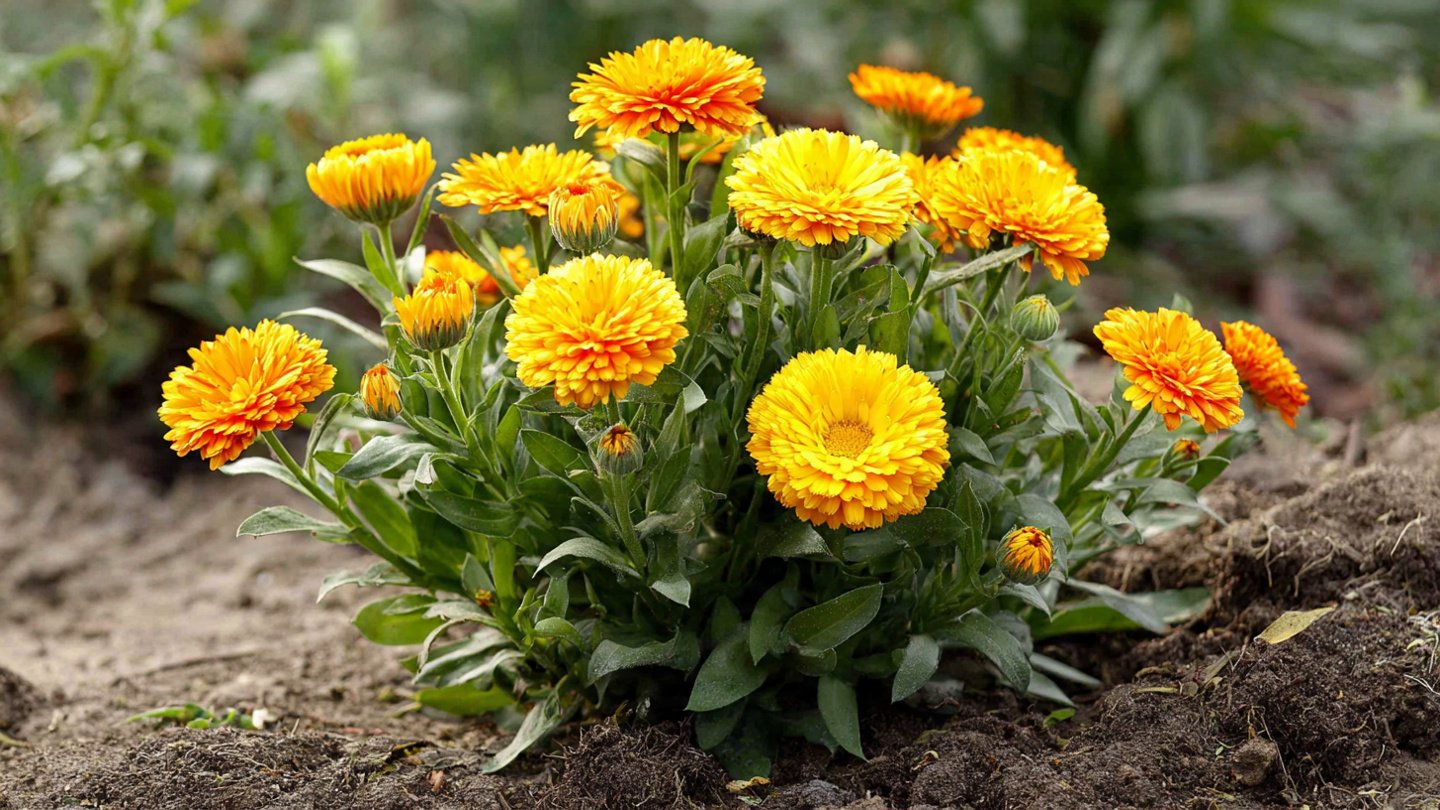
Calendula, commonly known as pot marigold, is a vibrant, resilient flower that can brighten up any garden and is known for its various medicinal properties. With its sunny blooms and ease of care, calendula is an excellent choice for both novice and experienced gardeners. In this guide, we will explore everything you need to know about successfully growing calendula at home, including planting, caring for, and harvesting this beautiful flower, along with answers to frequently asked questions.
1. Understanding Calendula
Calendula (Calendula officinalis) belongs to the Asteraceae family and is native to southern Europe. This hardy annual flower is cherished not just for its bright orange and yellow blossoms but also for its culinary and medicinal uses. The petals are edible and can be used in salads, soups, and other dishes. Additionally, calendula has anti-inflammatory and antiseptic properties, making it popular in herbal remedies and skincare products.
Varieties of Calendula
While all varieties of calendula share similar growing habits, they may differ in flower size, shape, and color. Some popular varieties include:
- Calypso: Known for its bright orange petals and compact growth.
- Double Calendula: Features densely packed petals and a fuller appearance.
- The Happy Tagetes: A hybrid known for its resilience and vibrant blooms.
2. Choosing the Right Location
Sunlight
Calendula thrives in full sun but can tolerate partial shade. Ideally, your pot marigold should receive at least 6 hours of sunlight daily. When selecting a spot in your garden or indoors, ensure that it is well-lit and free from excessive wind exposure.
Soil
Well-draining soil is crucial for the successful growth of calendula. The ideal soil pH is between 6.0 and 7.0. You can amend your soil with organic matter, such as compost, to improve its fertility and drainage capabilities. If growing in pots, ensure that your chosen container has drainage holes.
Latest Posts
- A Comprehensive Guide to Successfully Growing Grape Vines in Your Backyard for Beginners and Experts Alike
- Best Tips for Successful Mango Growth in Containers
- Discover the Simple Steps for Successfully Growing Coriander in a Pot
- Discovering the Ultimate Guide to Growing African Violets from Leaf Cuttings
- Simple Techniques for Successfully Growing Seedless Grapes in Home Gardens
- Ultimate Guide to Growing Balsam Plants Naturally for Vibrant Blooms
- Discover the Secrets to Growing Lush Leek Leaves with Simple Hacks for Beginners
- How to Successfully Cultivate Sweet Cherries in the Unique Climate of Canada
- The Ultimate Guide to Successfully Growing Beautiful Succulent Garden Plants at Home
- A Comprehensive Guide to Growing Dhania from Seeds for Beginners

Space
If planting in a garden bed, space your calendula plants about 12-18 inches apart to allow for air circulation and growth. If grown in pots, select containers at least 10 inches in diameter.
3. Planting Calendula
When to Plant
The optimal time to plant calendula varies by region. Generally, you can sow seeds in early spring after the last frost date, or in the fall for a late bloom. Calendula is quite hardy and can tolerate cooler temperatures, making it suitable for early spring planting.
Seed Starting Indoors
For those in colder regions, starting seeds indoors can be beneficial:
- Choose a Seed-Starting Mix: A lightweight, well-draining mix is best.
- Fill Containers: Fill seed trays or pots with the mix.
- Sow Seeds: Plant seeds approximately 1/4 inch deep. Water gently.
- Provide Heat: Place the containers in a warm area (70-75°F) until germination occurs, usually within 7-14 days.
- Transplanting: Once seedlings have a few true leaves and outdoor conditions are favorable, harden them off before transplanting.
Direct Sowing Outdoors
For direct sowing outdoors, follow these steps:
- Prepare the Soil: Loosen the soil and remove any weeds.
- Sow Seeds: Scatter seeds across the soil and cover lightly.
- Water Gently: Moisture is key; keep the soil consistently damp until seedlings emerge.
- Thin Seedlings: Once seedlings reach a few inches tall, thin them out if necessary to prevent overcrowding.
4. Caring for Calendula
Watering
Calendula prefers moderately moist soil. Water your plants regularly, ensuring that the soil does not become waterlogged. A good rule of thumb is to water when the top inch of soil feels dry.
Fertilizing
Calendula is not a heavy feeder; however, a light application of balanced fertilizer (such as a 10-10-10 formula) once every four to six weeks during the growing season can boost growth and flowering.
Pest and Disease Management
While calendula is generally pest-resistant, it can occasionally face issues such as aphids or slugs. Here are some tips for managing common pests:
- Aphids: Introduce beneficial insects like ladybugs or use insecticidal soap.
- Slugs: Set up a slug trap or place diatomaceous earth around the plants.
Diseases to watch for include powdery mildew and root rot, often caused by excessive moisture. Ensure adequate spacing between plants for air circulation and avoid overhead watering.
Deadheading
Regular deadheading promotes continued blooming. Remove spent flowers by pinching them off at the base, encouraging the plant to produce more blooms.
5. Harvesting Calendula
Once your calendula plants start blooming, you can begin harvesting flowers for culinary or medicinal purposes:
- Time of Day: Harvest in the morning after the dew has dried for the best flavor and quality.
- Cutting: Using sharp scissors or pruning shears, cut the flowers at their base.
- Storage: Use fresh petals immediately, or dry them for later use by spreading them out in a single layer and placing them in a cool, dark location.
6. Using Calendula
Culinary Uses
Calendula petals can be used fresh or dried. They add color and a peppery flavor to salads, soups, stir-fries, and herbal teas.
Medicinal Uses
Calendula is widely used in herbal remedies, particularly for skin conditions:
- Infused Oils: Calendula-infused oil can be used as a base for lotions and healing salves.
- Tinctures: Use calendula tinctures as natural remedies for inflammation and minor cuts.
Skincare
Calendula is known for its soothing and anti-inflammatory properties. Look for shampoos, creams, and ointments that contain calendula for dry skin, irritation, or minor wounds.
7. Common Problems and Solutions
Yellowing Leaves
Problem: Leaves turning yellow may indicate overwatering or nutrient deficiency.
Solution: Assess watering practices and consider a balanced fertilizer if necessary.
Wilting Flowers
Problem: Wilting may result from underwatering or excessive heat.
Solution: Check soil moisture and ensure adequate hydration during hot weather.
FAQs
1. Can calendula be grown in pots?
Answer: Yes! Calendula grows well in pots, as long as the container has proper drainage and sufficient sunlight.
2. Is calendula an annual or perennial plant?
Answer: Calendula is typically grown as an annual, though in some climates, it may behave as a short-lived perennial.
3. How can I get calendula to bloom longer?
Answer: Regular deadheading and providing consistent moisture will encourage longer blooming periods.

4. Are there any pests that affect calendula?
Answer: Calendula can attract aphids and slugs, but it is generally resistant to pests. Introducing beneficial insects can help manage pest populations.
5. Can I save seeds from my calendula flowers?
Answer: Yes, calendula seeds can be saved from fully matured flowers. Allow the flower heads to dry completely before extracting the seeds.
Conclusion
Growing calendula (pot marigold) at home is an incredibly rewarding experience, thanks to its beauty, culinary versatility, and medicinal benefits. By following the steps outlined in this guide, you can cultivate a thriving crop of calendula that will enrich your garden and enhance your home. With a little care and attention, you’ll enjoy the cheerful blooms of this remarkable flower throughout the growing season. Happy gardening!