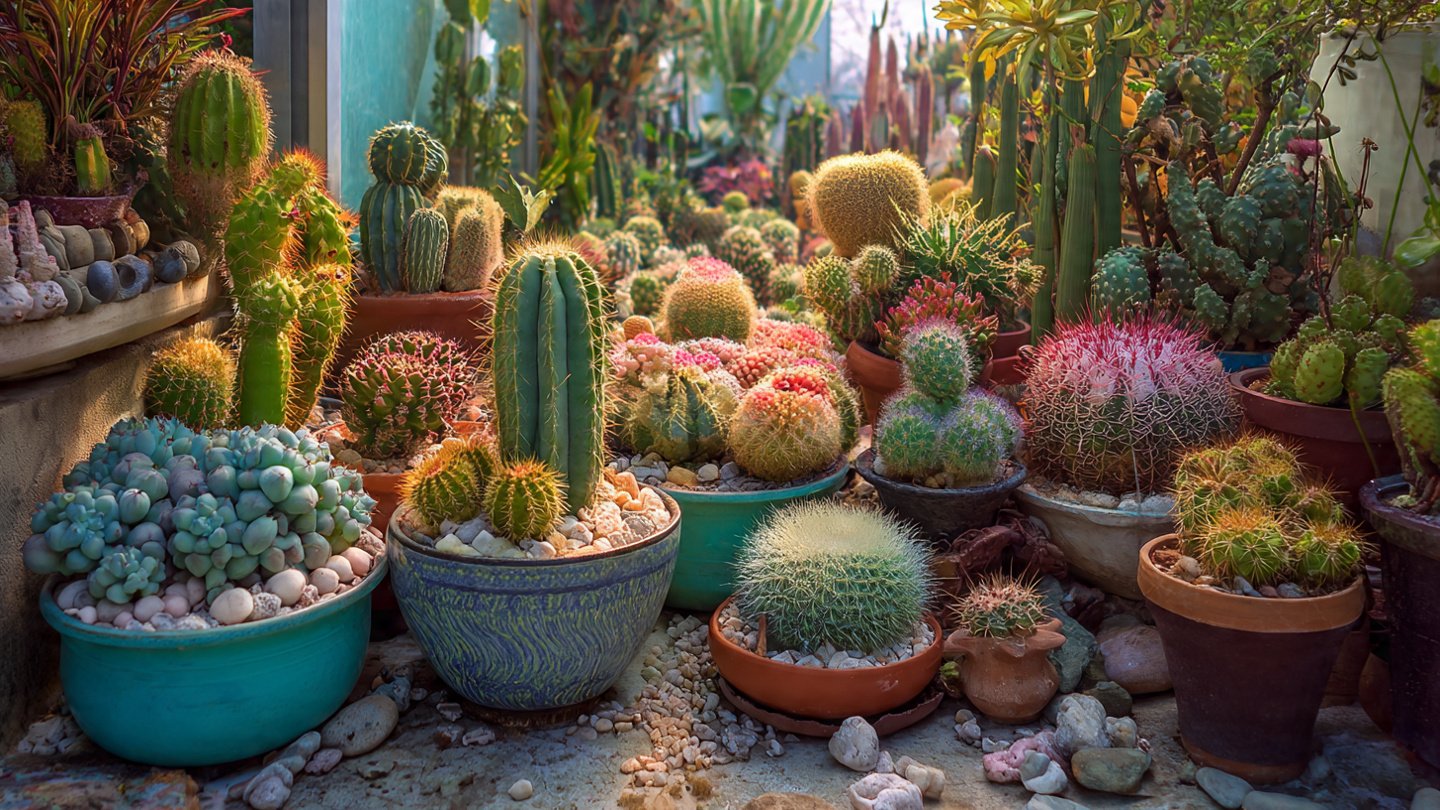
Cacti are enchanting plants that bring a unique charm to any garden or indoor space. Known for their resilience and striking appearance, these succulents offer an array of shapes, sizes, and colors, making them ideal for diverse decorative spaces. This ultimate guide will walk you through all the essential aspects of cultivating cactus plants, ensuring you create a stunning decorative garden experience.
Understanding Cactus Plants
What Are Cacti?
Cacti are members of the family Cactaceae, with over 1,500 species native to the Americas. These fascinating plants thrive in arid environments, characterized by spines instead of leaves, and the ability to store water in their stems. Cacti come in various forms, from the towering Saguaro to the tiny, colorful Easter Cactus.
Types of Cacti
- Echinocactus: Known for their spherical shape and ribbed surface.
- Saguaro: Iconic for their tall, branching arms.
- Mammillaria: Small, round, and typically have a cluster of flowers in the spring.
- Opuntia (Prickly Pear): Characterized by flat pads and vibrant fruit.
- Schlumbergera (Christmas Cactus): A popular holiday plant with segmented stems and beautiful blooms.
Cultivating Cacti
Choosing the Right Cactus for Your Space
Before diving into cactus cultivation, it’s vital to select the right species suitable for your environment. Consider factors like the amount of sunlight, temperature, and humidity, along with personal aesthetic preferences.
Potting and Soil
Selecting a Pot
Cacti require pots with excellent drainage to prevent root rot. Opt for terracotta or ceramic pots with drainage holes. The size of the pot should accommodate the cactus’s current size and allow room for growth.

Soil Mixture
A well-draining soil mix is crucial. You can buy a pre-mixed cactus soil or create your own by combining:
Latest Posts
- A Comprehensive Guide to Successfully Growing Grape Vines in Your Backyard for Beginners and Experts Alike
- Best Tips for Successful Mango Growth in Containers
- Discover the Simple Steps for Successfully Growing Coriander in a Pot
- Discovering the Ultimate Guide to Growing African Violets from Leaf Cuttings
- Simple Techniques for Successfully Growing Seedless Grapes in Home Gardens
- Ultimate Guide to Growing Balsam Plants Naturally for Vibrant Blooms
- Discover the Secrets to Growing Lush Leek Leaves with Simple Hacks for Beginners
- How to Successfully Cultivate Sweet Cherries in the Unique Climate of Canada
- The Ultimate Guide to Successfully Growing Beautiful Succulent Garden Plants at Home
- A Comprehensive Guide to Growing Dhania from Seeds for Beginners
- 50% potting soil
- 25% perlite
- 25% coarse sand or gravel
This combination allows for ample air circulation and promotes healthy root growth.
Planting Your Cactus
- Preparation: If you’re planting a new cactus, gently remove it from its nursery pot. Be cautious of spines; use gloves or tongs.
- Filling the Pot: Add a layer of soil mix to the bottom of the pot.
- Positioning: Place the cactus in the center and fill around it with the soil mix, ensuring it sits level.
- Watering: After planting, avoid watering for about a week to allow the roots to settle.
Light Requirements
Cacti thrive in bright, direct sunlight. A south-facing window is ideal for indoor cacti. If outdoors, ensure the plants receive at least six hours of sunlight daily. However, it’s essential to gradually acclimate them to intense sunlight to prevent sunburn.
Watering Tips
Cacti are drought-tolerant plants; therefore, overwatering is a common mistake. Follow the “soak and dry” method:

- Water thoroughly until it drains out of the bottom.
- Allow the soil to dry completely before the next watering. During the growing season (spring and summer), this could be every 2-3 weeks, while in fall and winter, you may extend it to every 4-6 weeks.
Fertilizing
Cacti benefit from occasional fertilization during their active growing season. Use a diluted, balanced fertilizer (10-10-10) once a month. Alternatively, a specialized cactus fertilizer can provide necessary nutrients without risking over-fertilization.
Designing a Cactus Garden
Indoor Cactus Gardens
Creating an indoor cactus garden can add a striking aesthetic to your home.
- Selecting a Location: Choose a bright area with good airflow.
- Grouping Varieties: Mix different species and sizes for an appealing variety.
- Decorative Pots: Use colorful or textured pots to enhance visual interest.
Outdoor Cactus Gardens
Cactus gardens can thrive beautifully in outdoor settings, especially in warm climates.
- Location: Select a sunny spot with well-drained soil.
- Landscaping: Incorporate boulders and rocks to mimic their natural habitat, allowing plants to blend into the landscape.
- Companion Plants: Pair cacti with drought-resistant plants like succulents, lavenders, or ornamental grasses for enhanced beauty.
Caring for Cactus Plants
Pest Management
Cacti are generally resistant to pests, but mealybugs and spider mites can occur. Monitor your plants regularly and treat infestations with insecticidal soap or natural remedies like neem oil.

Pruning and Repotting
- Pruning: Remove dead or damaged sections with sterilized scissors or pruning shears to promote healthy growth.
- Repotting: Every few years or when root-bound, repot your cactus into a slightly larger pot using fresh soil mix.
Seasonal Care
- Winter Care: Most cacti go dormant in winter. Reduce watering significantly and keep them in a cool, dry location, away from frost.
Propagation of Cacti
Propagating cacti can be done through seeds or cuttings.
Seed Propagation
- Prepare Soil: Use a well-draining cactus mix.
- Sow Seeds: Scatter seeds on the surface and lightly cover them.
- Watering: Mist with water and cover with plastic to create humidity. Maintain warmth and bright light until germination occurs.
Cutting Propagation
- Select a Healthy Pad: For Opuntia or similar types, cut a pad from the parent plant.
- Callous: Allow the cutting to dry and callous for a few days.
- Planting: Insert into the soil and water sparingly until roots develop.
Common Issues and Solutions
- Yellowing or Soft Stems: Often a sign of overwatering. Check drainage and adjust watering frequency.
- Wilting: Could indicate underwatering or too much direct sunlight. Evaluate the environmental conditions.
- Stunted Growth: May result from nutrient deficiency. Ensure proper fertilization.
FAQs
1. How often should I water my cactus?
Water your cactus thoroughly, allowing the soil to dry completely between watering sessions. For most cacti, every 2-6 weeks works well, depending on the season and humidity.
2. Can cacti thrive indoors?
Yes, many cacti can thrive indoors if placed in sufficient sunlight. A south-facing window provides the best conditions for growth.
3. What is the best fertilizer for cacti?
A balanced fertilizer with equal parts nitrogen, phosphorus, and potassium (like 10-10-10) works well. Alternatively, use a specialized cactus fertilizer.

4. How do I know if my cactus is getting too much sun?
Signs of too much sun include scorched or bleached areas on the cactus. If you see these signs, move it to a less intense light location.
5. How do I propagate cacti effectively?
You can propagate cacti through seed sowing or by taking cuttings. Ensure cuttings dry out and callous for a few days before potting.
6. Is it safe to handle cacti?
Always handle cacti with care, using gloves or tongs to avoid the painful spines. It’s best to use tools designed for gardening if you are new to handling cacti.
7. Can cacti survive in low humidity environments?
Yes, cacti are well-suited for low humidity environments, which is why they flourish in deserts.

Conclusion
Cultivating cactus plants presents an exciting opportunity to create a stunning decorative garden. With their unique aesthetics and low maintenance needs, cacti can enhance any space, indoors or outdoors. By following the guidelines outlined in this comprehensive guide, you’ll be well on your way to establishing a thriving cactus garden that delights and inspires. Happy gardening!