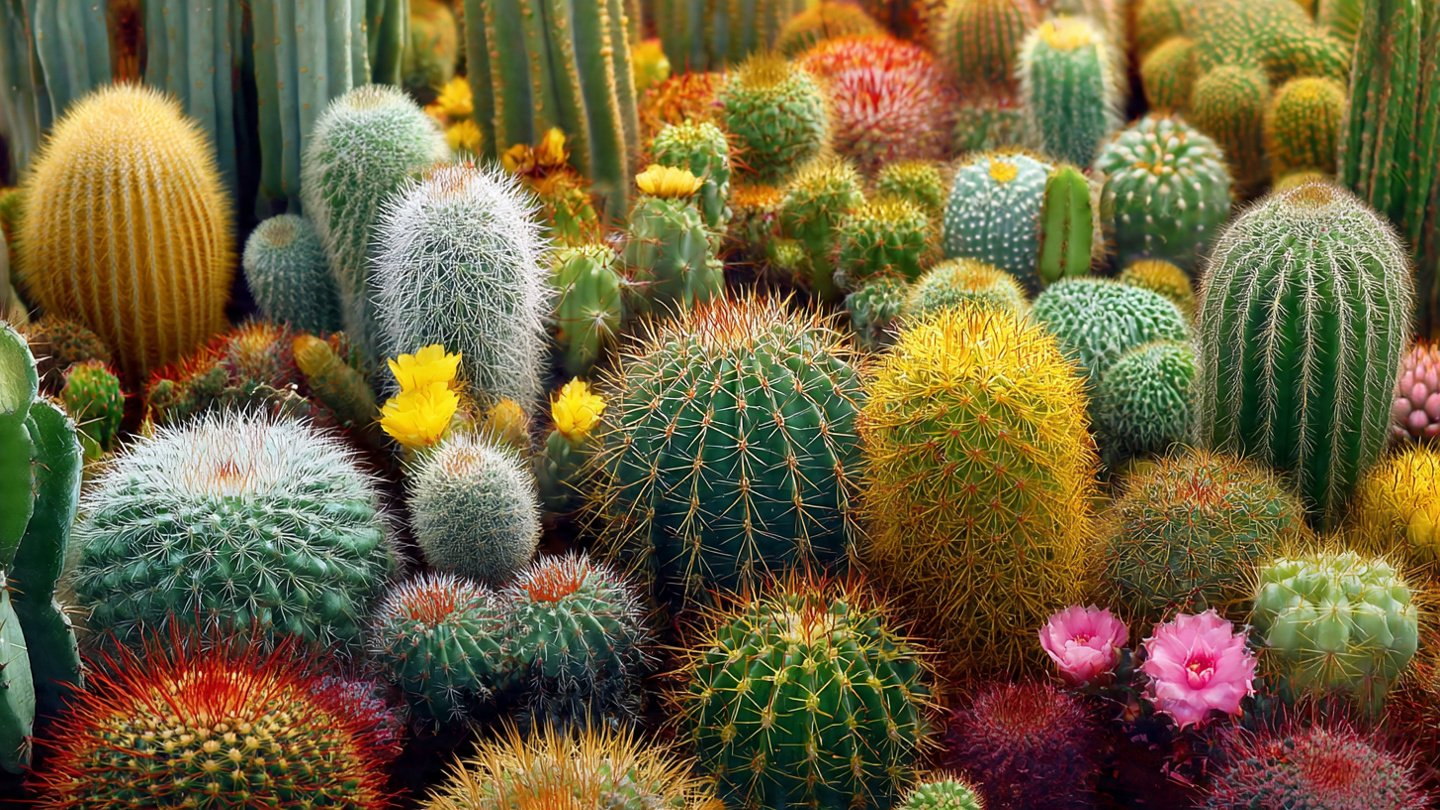
Cacti are much more than just prickly plants; they are wonderous creations that can transform any garden into a stunning decorative experience. Known for their resilience and unique aesthetics, cacti offer a fascinating variety that spans shapes, colors, and sizes. This guide aims to provide you with a comprehensive understanding of how to cultivate cactus plants effectively, ensuring your garden is not only beautiful but also thriving.
1. Understanding Cactus
1.1 What Are Cacti?
Latest Posts
- A Comprehensive Guide to Successfully Growing Grape Vines in Your Backyard for Beginners and Experts Alike
- Best Tips for Successful Mango Growth in Containers
- Discover the Simple Steps for Successfully Growing Coriander in a Pot
- Discovering the Ultimate Guide to Growing African Violets from Leaf Cuttings
- Simple Techniques for Successfully Growing Seedless Grapes in Home Gardens
- Ultimate Guide to Growing Balsam Plants Naturally for Vibrant Blooms
- Discover the Secrets to Growing Lush Leek Leaves with Simple Hacks for Beginners
- How to Successfully Cultivate Sweet Cherries in the Unique Climate of Canada
- The Ultimate Guide to Successfully Growing Beautiful Succulent Garden Plants at Home
- A Comprehensive Guide to Growing Dhania from Seeds for Beginners
Cacti belong to the family Cactaceae and are primarily found in the Americas. They have adapted to live in regions with extreme environmental conditions, thriving in arid deserts. Their unique physiological features, such as thick, fleshy stems that store water, enable them to survive prolonged droughts.
1.2 Types of Cactus
There are over 1,500 species of cacti, each with distinct characteristics. Some popular varieties include:
- Saguaro (Carnegiea gigantea): Iconic for its tall, branched structure, often found in the Sonoran Desert.
- Barrel Cactus (Echinocactus): Known for its rounded shape and ribbed exterior; can grow quite large.
- Christmas Cactus (Schlumbergera): A popular houseplant known for its beautiful, festive blooms during winter.
2. Choosing the Right Cactus
2.1 Climate Considerations
Before selecting your cacti, consider your local climate. Most cacti prefer warm and dry conditions but some species can thrive in cooler areas. Research the specific needs of different cacti to ensure optimal growth.
2.2 Pot vs. Ground Planting

Cacti can be grown in pots or directly in the ground. Potted cacti are more manageable and can be moved indoors during harsh weather. On the other hand, ground planting allows for greater growth, provided the soil is well-draining.
3. Preparing for Planting
3.1 Soil Requirements
Cacti require a specific type of soil that promotes drainage. A cactus mix, or a combination of potting soil, sand, and perlite, provides the ideal environment. The key is ensuring moisture does not accumulate, as this can lead to root rot.
3.2 Choosing the Right Container
If planting in pots, choose containers with drainage holes. Terracotta pots are particularly well-suited for cacti because they allow moisture to evaporate quickly.
4. Planting Your Cacti
4.1 Timing
The best time to plant cacti is during the spring, when they are waking from dormancy and preparing for growth.
4.2 Planting Process
-
Fill the Pot: Add a layer of cactus soil into your pot, filling it about one-third full.
-
Position the Cactus: Carefully remove the cactus from its nursery pot, gently loosening the roots if they are crowded. Place the cactus upright in the pot.
-
Fill Around the Cactus: Add more cactus soil around the roots, ensuring that the top of the root ball is level with the soil surface.
-
Watering Initially: Lightly water the cactus to help settle the soil, but avoid oversaturating.

5. Care and Maintenance
5.1 Watering Requirements
One of the biggest challenges with cacti is understanding their watering needs. Remember:
- Underwatering is better than overwatering.
- Water during the growing season (spring and summer) every 2-3 weeks, but reduce frequency in the winter months.
5.2 Light Conditions
Cacti thrive in bright, direct sunlight. Aim for at least 6 hours of sunlight per day. If growing indoors, a south-facing window is ideal.
5.3 Fertilization
During the growing season, apply a diluted, balanced fertilizer every 4-6 weeks. Avoid fertilizing during the dormant season.
5.4 Pruning and Repotting
-
Pruning: While most cacti don’t require much pruning, remove any dead or shriveled parts to improve aesthetics and plant health.
-
Repotting: Every 2-3 years, repot your cactus to provide fresh soil and space for growth.

6. Common Cactus Pests and Diseases
Cacti, while hardy, are susceptible to pests such as mealybugs, scale, and spider mites. Regularly inspect your plants, and if you find pests, treat them with insecticidal soap or neem oil.
Fungal diseases can also occur, often due to overwatering. If you suspect root rot, ensure the cactus is dried out and, if necessary, replant in fresh, dry soil.
7. Creating a Decorative Cactus Garden
7.1 Design Ideas
-
Layering Heights: Use a variety of cacti that differ in height to create an engaging landscape.
-
Color Combinations: Pair cacti with colorful flowering plants for a vibrant garden design.
-
Container Arrangements: Use different pot shapes and sizes to add visual interest.
7.2 Themed Gardens

Consider creating a themed garden, such as a desert oasis or a tropical cactus garden, using various plants, rocks, and decorative features to enhance your space.
7.3 Incorporating Other Plants
Cacti can be paired with succulents that have similar care requirements. This combination can create a rich tapestry of textures and colors.
8. Seasonal Considerations
8.1 Winter Care
In colder regions, protect outdoor cacti by bringing them inside or covering them with frost cloth. Indoor cacti should be placed in a warm, bright area, away from drafts.
8.2 Spring Awakening
As the weather warms, observe your cacti for early signs of growth. This is the time to increase watering and resume fertilizing.
9. FAQs
What Types of Cacti are Best for Beginners?
Great starter cacti include the Easter Cactus, Christmas Cactus, and Golden Barrel Cactus. These are forgiving and have manageable care needs.
How Often Should I Water My Cactus?
During its growing season (spring and summer), water every 2-3 weeks, allowing the soil to dry out completely between waterings. Adjust frequency based on your climate.

Can Cacti Thrive Indoors?
Yes, many cacti can thrive indoors if they receive enough bright sunlight. A south-facing window is ideal.
How Do I Know If My Cactus is Overwatered?
Signs of overwatering include mushy stems, brown spots, and a shriveled appearance. If you suspect root rot, let the soil dry out and consider repotting.
What Should I Do If My Cactus Is Growing Tall and Leaning?
This might indicate a lack of light. Rotate the plant towards the light source or move it to a brighter location to encourage upright growth.
Are Cacti Safe for Pets?
While most cacti are not toxic to pets, the spines can pose a physical hazard. Keep cacti out of reach of curious pets to prevent injury.
Conclusion
Cultivating cactus plants can elevate your gardening experience while adding unique character to your outdoor or indoor spaces. With the right care techniques and careful design, you can create a stunning decorative garden that showcases these resilient plants. Remember to educate yourself on the specific needs of the cactus species you choose, and your journey into the world of cacti will be rewarding and fulfilling. Happy gardening!