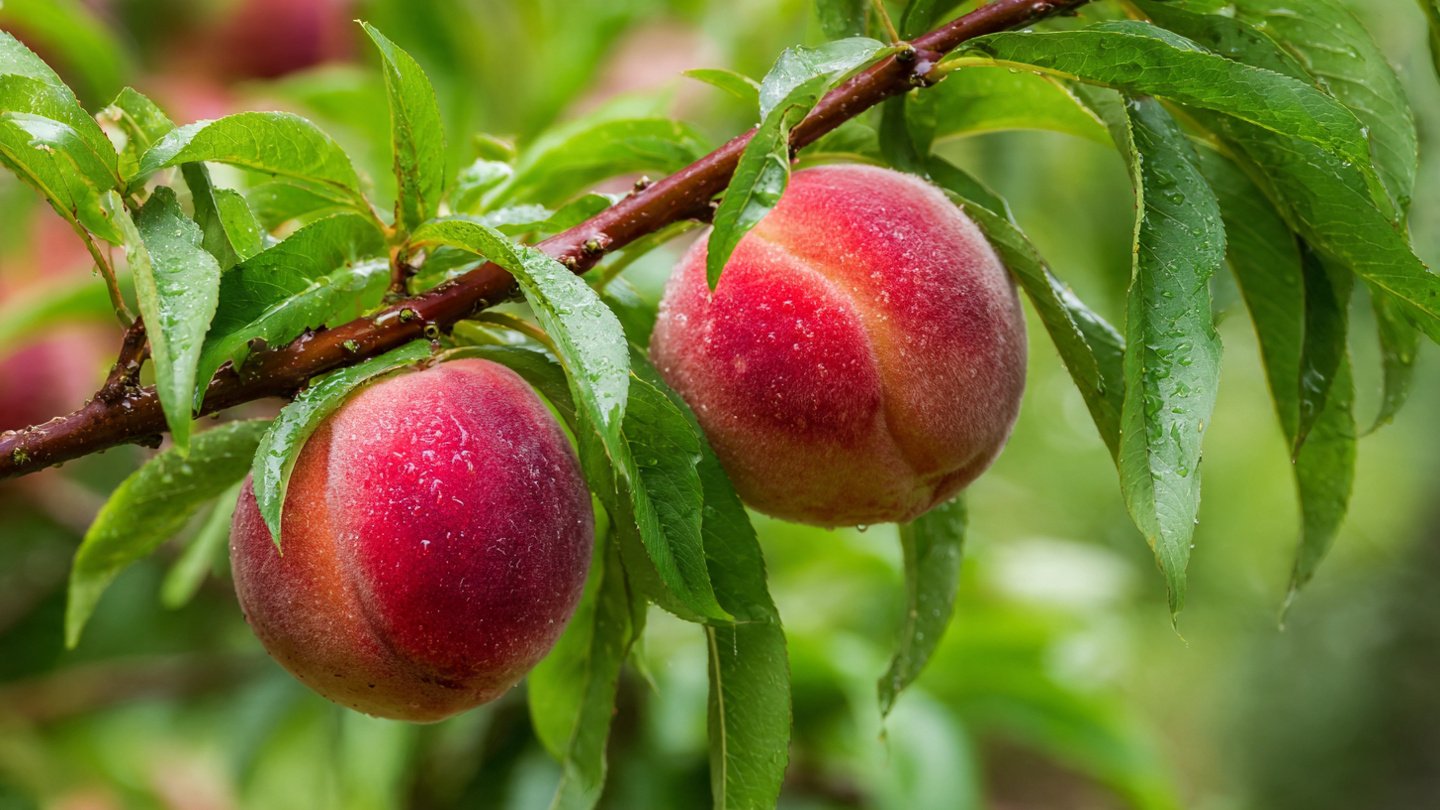
Peach trees (Prunus persica) are beloved for their juicy, sweet fruit and stunning blossoms. Cultivating a peach tree in your backyard not only adds aesthetic value to your garden but also offers a rewarding harvest. Whether you’re an experienced gardener or a novice, this guide will walk you through simple techniques to help you grow a thriving peach tree.
Selecting the Right Variety
Choosing the right peach tree variety is crucial. There are two main categories to consider:
Latest Posts
- A Comprehensive Guide to Successfully Growing Grape Vines in Your Backyard for Beginners and Experts Alike
- Best Tips for Successful Mango Growth in Containers
- Discover the Simple Steps for Successfully Growing Coriander in a Pot
- Discovering the Ultimate Guide to Growing African Violets from Leaf Cuttings
- Simple Techniques for Successfully Growing Seedless Grapes in Home Gardens
- Ultimate Guide to Growing Balsam Plants Naturally for Vibrant Blooms
- Discover the Secrets to Growing Lush Leek Leaves with Simple Hacks for Beginners
- How to Successfully Cultivate Sweet Cherries in the Unique Climate of Canada
- The Ultimate Guide to Successfully Growing Beautiful Succulent Garden Plants at Home
- A Comprehensive Guide to Growing Dhania from Seeds for Beginners
-
Freestone Varieties: The flesh separates easily from the pit, which is ideal for fresh eating, canning, and preserving. Examples include the ‘J.H. Hale’ and ‘O’Henry’.
-
Clingstone Varieties: The flesh clings to the pit, perfect for baking and cooking. Popular varieties include ‘Elberta’ and ‘Saturn’.
When selecting a variety, consider your climate. Peach trees generally thrive in USDA hardiness zones 5 to 8. Consult with local nurseries or agricultural extensions to determine which varieties are best suited to your area.
Site Selection
Sunlight Exposure
Peach trees require full sun for optimal growth and fruit production. Aim for at least 6 to 8 hours of direct sunlight daily. Ideally, plant your tree in a location where it won’t be shaded by larger plants or structures.
Soil Requirements
Peach trees prefer well-drained, sandy loam soil with a pH between 6.0 and 7.0. If your soil is too clay-heavy, consider amending it with organic matter such as compost or well-rotted manure to improve drainage.

Drainage
Ensure the planting site has good drainage to prevent root rot. If your soil is prone to becoming waterlogged, consider planting your peach tree on a raised bed or mounding up the soil a bit.
Planting Your Peach Tree
Timing
The best time to plant a peach tree is in the early spring or late fall when the tree is dormant. This reduces transplant shock and allows the tree to establish itself before the growing season.
Planting Steps
-
Digging the Hole: The hole should be about twice as wide as the root ball and as deep as the root system. Loosen the soil at the bottom of the hole to promote root growth.
-
Preparing the Tree: If you’re using a bare-root peach tree, soak the roots in water for a few hours before planting. For container-grown trees, gently remove the tree from the pot, taking care not to damage the roots.
-
Positioning: Place the tree in the center of the hole, ensuring the graft union (the swollen area where the tree was grafted) is just above the soil line.
-
Backfilling: Fill the hole with the excavated soil, making sure to eliminate air pockets. Water the tree thoroughly after planting to help settle the soil.
Watering
Watering is essential, especially during the tree’s first year. Here are some guidelines:
- Establishment Period: Water deeply once a week, allowing the top 2 inches of soil to dry out between watering.
- Established Trees: After the first year, reduce watering to every two weeks unless your region experiences a drought. During dry periods, increase watering to once a week.
Mulching
Apply a 2-3 inch layer of organic mulch around the base of the tree, extending to the drip line. Mulching helps retain moisture, suppress weeds, and regulate soil temperature. Avoid piling mulch against the trunk to prevent rot and pests.
Fertilizing
Fertilizing your peach tree encourages healthy growth and fruit production. Follow these guidelines:
-
Timing: Fertilize in early spring before new growth begins.
-
Type: Use a balanced fertilizer (like a 10-10-10 formula) or one specifically designed for fruit trees. Follow the manufacturer’s instructions for application rates based on the age and size of your tree.
-
Application: Spread the fertilizer evenly around the tree’s drip line, avoiding direct contact with the trunk. Water thoroughly afterward to help the nutrients reach the roots.
Pruning
Pruning is an essential practice for maintaining a healthy peach tree. It promotes light penetration, air circulation, and fruit production. Follow these steps:
-
Timing: Prune during the dormant season, typically late winter or early spring, before buds swell.
-
Types of Cuts:
- Thinning Cuts: Remove crowded branches to allow sunlight and air penetration. Focus on keeping an open center in the tree.
- Heading Cuts: Trim the tips of branches to encourage bushy growth.
-
Objective: Aim to have a tree structure that consists of an open center and several main scaffold branches.
Pest and Disease Management
Common Pests
-
Peach Tree Borers: Look for signs of boring holes and resin ooze. Apply insecticides or use beneficial nematodes to manage these pests.
-
Aphids: Small, soft-bodied insects can be controlled with neem oil or insecticidal soap.

Diseases
-
Leaf Curl: A fungal disease that causes leaves to curl and distort. Use a fungicide in early spring before buds open.
-
Brown Rot: A common fruit rot that affects ripening peaches. Ensure good air circulation by proper pruning and promptly remove any affected fruit.
Preventive measures are key; keep your tree healthy and monitor regularly for signs of issues.
Harvesting
The timing of peach harvest depends on the variety. Generally, peaches are ready to pick when they:
- Change from green to yellow or red depending on the variety.
- Emit a sweet aroma.
- Are slightly soft when gently squeezed.
Use a twisting motion to detach the peach from the branch, ensuring not to damage the tree.
FAQs
How long does it take for a peach tree to bear fruit?

Peach trees typically begin producing fruit about 3 to 4 years after planting, depending on the variety and growing conditions.
How can I protect my peach tree in winter?
To protect your peach tree from harsh winter conditions, mulch around the base and wrap the trunk with burlap or frost cloth if your area experiences extreme cold.
Can I grow a peach tree in a pot?
Yes, dwarf varieties of peach trees can thrive in pots. Ensure the pot has good drainage and provide enough space for the root system.
How do I know if my peach tree is unhealthy?
Signs of an unhealthy peach tree may include yellowing leaves, leaf drop, wilting, or unusual growth patterns. Regularly inspect your tree and address any issues promptly.
Should I thin my peaches?
Yes, thinning is essential for producing larger, healthier fruit and preventing limb breakage due to heavy fruit loads. Thin peaches to about 6 inches apart.
Conclusion
Growing a peach tree in your backyard is a delightful endeavor that rewards you with sweet, juicy fruit and beautiful blossoms. By following these simple techniques—from selecting the right variety and site to proper care and management—you can cultivate a thriving peach tree. With patience and attention, your garden can become home to this beloved fruit, making each summer a season of sweet satisfaction. Happy gardening!