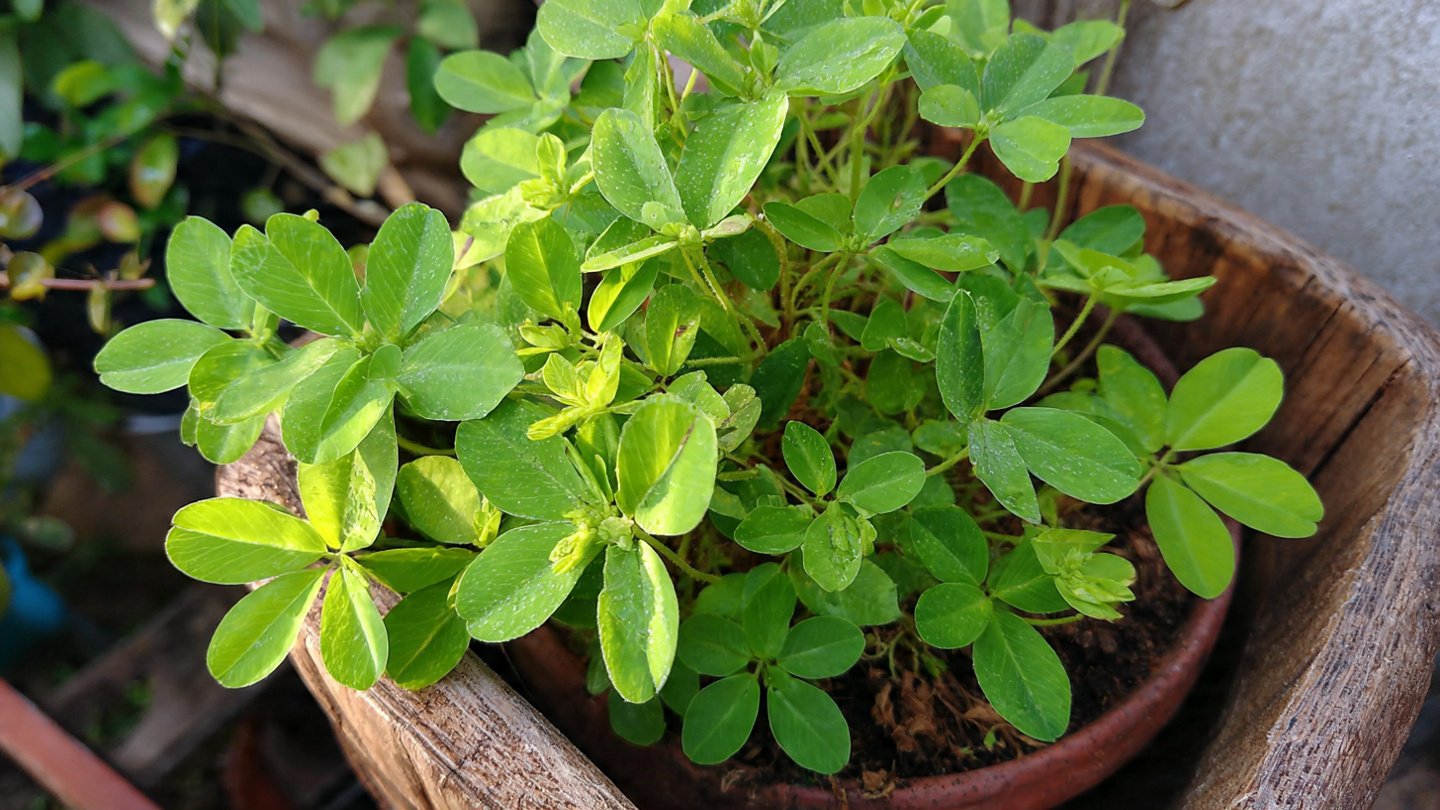
Fenugreek (Trigonella foenum-graecum) is a versatile, nutritious herb that has been used for centuries in cooking and traditional medicine. Known for its distinctive flavor and numerous health benefits, fenugreek is easy to grow at home, making it an excellent choice for both beginner gardeners and seasoned green thumbs alike. In this article, we’ll guide you through the straightforward steps to cultivate fenugreek at home, whether in a garden bed or in pots.
Why Grow Fenugreek?
Before we dive into the growing process, let’s explore why fenugreek is a fantastic addition to your home garden:
Latest Posts
- A Comprehensive Guide to Successfully Growing Grape Vines in Your Backyard for Beginners and Experts Alike
- Best Tips for Successful Mango Growth in Containers
- Discover the Simple Steps for Successfully Growing Coriander in a Pot
- Discovering the Ultimate Guide to Growing African Violets from Leaf Cuttings
- Simple Techniques for Successfully Growing Seedless Grapes in Home Gardens
- Ultimate Guide to Growing Balsam Plants Naturally for Vibrant Blooms
- Discover the Secrets to Growing Lush Leek Leaves with Simple Hacks for Beginners
- How to Successfully Cultivate Sweet Cherries in the Unique Climate of Canada
- The Ultimate Guide to Successfully Growing Beautiful Succulent Garden Plants at Home
- A Comprehensive Guide to Growing Dhania from Seeds for Beginners
-
Culinary Uses: Fenugreek leaves and seeds are used in various cuisines, particularly in Indian, Middle Eastern, and Mediterranean dishes. The leaves can be used fresh or dried, while the seeds are often used as a spice.
-
Health Benefits: Fenugreek is rich in vitamins, minerals, and fiber, and has numerous health benefits, including improved digestion, anti-inflammatory properties, and blood sugar regulation.
-
Easy to Grow: Fenugreek requires minimal care and can thrive in various growing conditions, making it ideal for beginners.
Step-by-Step Guide to Growing Fenugreek at Home
Step 1: Gather Your Supplies

Before planting, ensure you have the following supplies:
- Seeds: Purchase fenugreek seeds from a garden store or online.
- Containers or Garden Beds: Choose pots (at least 6-8 inches deep) or prepare a garden bed.
- Potting Soil: Use well-draining potting soil or garden soil mixed with compost.
- Watering Can or Spray Bottle: For regular watering.
- Sunlight Access: Ensure you have a spot that receives at least 4-6 hours of sunlight daily.
Step 2: Select the Right Location
Fenugreek thrives in warmer temperatures (around 70°F to 85°F or 21°C to 29°C). Choose a sunny location, either outdoors or on a sunny windowsill indoors. If you’re planting in a garden bed, ensure it’s a well-drained area that receives plenty of sunlight.
Step 3: Prepare the Soil
Fenugreek prefers well-drained soil rich in organic matter. Here’s how to prepare it:
- Turn the Soil: Loosen the soil to a depth of about 12 inches, breaking up any clumps.
- Add Organic Matter: Mix in compost or well-rotted manure to improve soil fertility.
- Test Drainage: Water the soil; if water pools, add sand or perlite for better drainage.
Step 4: Plant the Seeds
- Sow the Seeds: Plant the seeds about 1/2 inch deep and 2 inches apart. If sowing in rows, space them about 4-6 inches apart.
- Cover and Water: Gently cover the seeds with soil and water lightly using a spray bottle or watering can. Avoid overwatering, as fenugreek can rot in soggy soil.
Step 5: Maintain Your Plants
Fenugreek is relatively low-maintenance, but here are some tips for caring for your plants:
- Watering: Keep the soil consistently moist but not waterlogged. Water the plants once or twice a week, depending on the weather.
- Weeding: Remove weeds that may compete with your plants for nutrients and water.
- Thinning: Once the seedlings are about 2 inches tall, thin them to ensure enough space for growth. Retain the strongest plants.
Step 6: Fertilizing
Fenugreek doesn’t require heavy fertilization, but providing some nutrients can enhance growth:
- Use a Balanced Fertilizer: After about 3 weeks, you can apply a liquid organic fertilizer or diluted fish emulsion.
- Compost: Adding compost around the base of the plants can provide ongoing nutrients.
Step 7: Harvesting
Fenugreek is typically ready to harvest in about 4 to 6 weeks after planting. You can harvest in two ways:
- Leaves: Snip the leaves as needed when they are young and tender. Regular harvesting encourages new growth.
- Seeds: If you let the plant mature, it will produce pods that contain seeds. Wait until the pods turn brown, then harvest them and let them dry before storing.
Step 8: Storing Fenugreek
- Fresh Leaves: Store fresh leaves in a paper bag in the refrigerator for up to a week.
- Dried Leaves and Seeds: Store dried leaves and seeds in airtight containers in a cool, dark place to maintain their potency.

Frequently Asked Questions (FAQs)
1. Can I grow fenugreek indoors?
Yes, fenugreek can be successfully grown indoors. Ensure that your pots are placed in a sunny spot with adequate light exposure for at least 4-6 hours daily.
2. How often should I water fenugreek plants?
Water your fenugreek plants once or twice a week, allowing the soil to dry slightly between watering. Overwatering may cause root rot.
3. Does fenugreek require a lot of space?
Fenugreek can be grown in small spaces, making it perfect for pots or window boxes. Just ensure there’s enough room for the plants to spread out, ideally about 4-6 inches apart in rows.
4. What pests should I watch for when growing fenugreek?
Common pests include aphids and whiteflies. Regularly check your plants. If you notice infestations, consider using insecticidal soap or neem oil as a natural remedy.
5. Can fenugreek be grown in all climates?
Fenugreek prefers warm temperatures but can grow in various climates. In cooler regions, consider starting seeds indoors and transplanting them outside once temperatures warm up.

6. Is fenugreek easy to save seeds from for next season?
Absolutely! Once you have mature pods, let them dry completely before harvesting the seeds. Store them in a cool, dark place, and you can sow them the following season.
7. What are some other uses for fenugreek besides cooking?
Apart from culinary uses, fenugreek is known for its health benefits, including aiding digestion and potentially assisting with blood sugar levels. It is also used in traditional medicine and as an herbal supplement.
8. How can I encourage my fenugreek to grow bushier?
To encourage a bushier plant, regularly harvest the leaves, which promotes new growth. Fertilizing appropriately will also support healthy foliage.
Conclusion
Growing fenugreek at home is a rewarding endeavor that provides culinary delights and health benefits. With minimal space and care, you can enjoy fresh fenugreek leaves and seeds right from your garden or kitchen. Whether you’re an experienced gardener or a novice, following these simple steps will help you cultivate this prized herb successfully. Happy gardening!