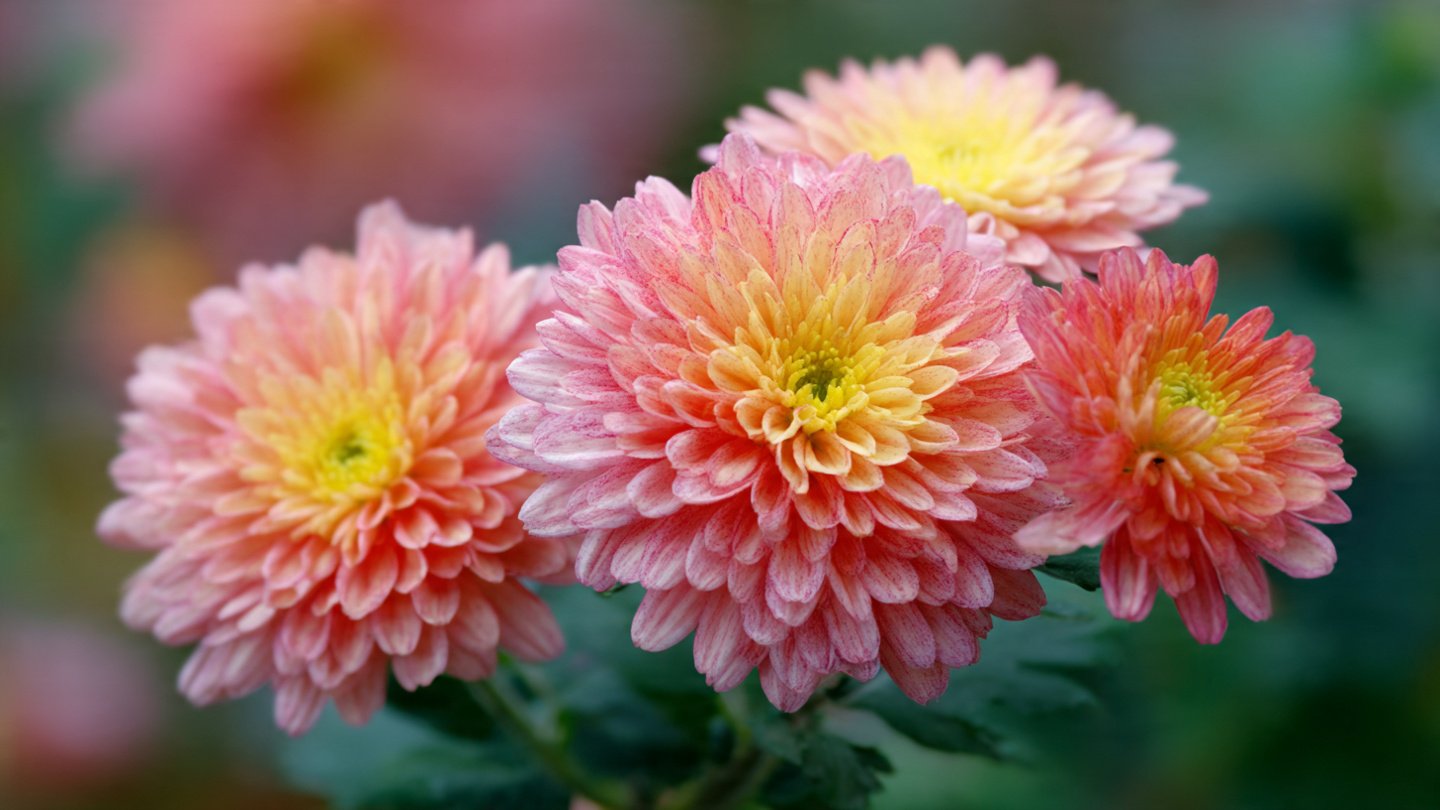
Chrysanthemums, also known as “mums,” are not just favorite blooms in the flower industry but also wonderful plants to cultivate at home. They offer a bright display of colors and a variety of sizes, making them an excellent choice for home gardens. Growing chrysanthemums can be a rewarding experience, whether you’re an enthusiastic gardener or a beginner looking to brighten your living space. This comprehensive guide will walk you through everything you need to know to successfully grow chrysanthemums at home.
1. Understanding Chrysanthemums
Chrysanthemums belong to the Asteraceae family and originate from Asia and northeastern Europe. These perennial plants are popular for their vibrant color range, which includes yellows, whites, pinks, reds, and purples. There are two main types of chrysanthemums: garden chrysanthemums (often used for landscaping) and exhibition chrysanthemums (often grown for show).
Latest Posts
- A Comprehensive Guide to Successfully Growing Grape Vines in Your Backyard for Beginners and Experts Alike
- Best Tips for Successful Mango Growth in Containers
- Discover the Simple Steps for Successfully Growing Coriander in a Pot
- Discovering the Ultimate Guide to Growing African Violets from Leaf Cuttings
- Simple Techniques for Successfully Growing Seedless Grapes in Home Gardens
- Ultimate Guide to Growing Balsam Plants Naturally for Vibrant Blooms
- Discover the Secrets to Growing Lush Leek Leaves with Simple Hacks for Beginners
- How to Successfully Cultivate Sweet Cherries in the Unique Climate of Canada
- The Ultimate Guide to Successfully Growing Beautiful Succulent Garden Plants at Home
- A Comprehensive Guide to Growing Dhania from Seeds for Beginners
1.1 Benefits of Growing Chrysanthemums
Growing chrysanthemums has multiple advantages:
- Aesthetic Appeal: Their colorful blooms add beauty to any garden or home.
- Long Blooming Period: Chrysanthemums bloom during the fall, extending the flowering season in your garden.
- Low Maintenance: Once established, they require minimal care.
- Functionality: They can be used for arrangements and bouquets, providing cut flowers throughout the season.
2. Selecting the Right Variety
Choosing the right variety of chrysanthemum is crucial for your success. Here are some popular varieties to consider:
- Disbud: Known for their large blooms, they are extensively used for show purposes.
- Pompom: Small, spherical flowers are often used in mixed planters.
- Single: Resembling daisies, these are characterized by a single row of petals around the center.
- Spider: Featuring long, tubular petals, these create a unique shape.

2.1 Local Considerations
Always consider your local climate when selecting a variety. Mums generally thrive in zones 5 to 9. If you live in a hotter climate, opt for hardy varieties.
3. Preparing to Plant
3.1 Choosing the Right Location
Chrysanthemums require full sun, so it’s essential to choose a location that receives at least 6-8 hours of sunlight every day. Ensure the site has well-drained soil to prevent root rot.
3.2 Soil Requirements
Mums prefer slightly acidic to neutral pH in the soil (around 6.0 to 7.0). You can improve soil quality by adding organic matter like compost to maximize nutrients. The soil should be loamy and rich in organic matter.
3.3 Planting Time
The best time to plant chrysanthemums is in the spring after the last frost or during late summer. This will yield blooms in the fall.
4. Planting Chrysanthemums

4.1 Seed or Transplant?
While you can start chrysanthemums from seeds, it’s generally easier for beginners to purchase seedlings or established plants from a nursery. Transplants will establish faster and yield blooms earlier.
4.2 Spacing
When planting, ensure you space the plants about 18-24 inches apart. Proper spacing allows for adequate airflow, helping prevent disease.
4.3 Planting Steps
- Dig a Hole: The hole should be twice the diameter of the root ball.
- Place the Plant: Position the plant in the center of the hole, making sure that the crown is level with the soil surface.
- Backfill: Gently backfill the hole with soil and press down lightly to eliminate air pockets.
- Water: Immediately water the newly planted chrysanthemums to help settle the soil.
5. Caring for Your Chrysanthemums
5.1 Watering
Chrysanthemums like consistent moisture but are susceptible to overwatering. Water them deeply but infrequently, allowing the soil to dry out between waterings. A general rule of thumb is to provide about an inch of water each week.
5.2 Fertilizing
Chrysanthemums benefit from regular fertilization. Use a balanced, slow-release fertilizer during the growing season. Applying a fertilizer high in phosphorus can help promote more blooms.

5.3 Pruning
Pruning is essential for bushier growth and more flowers. Pinch back the tips of the stems when they reach about 6 inches tall. This will encourage the plant to become bushier and promote more blooms.
5.4 Pest and Disease Management
Common pests affecting Chrysanthemums include aphids, spider mites, and whiteflies. Keep an eye out for signs of infestation and consider using insecticidal soap as a natural treatment.
Fungal diseases can also affect chrysanthemums, especially if the plants are not spaced correctly. Ensure good air circulation and avoid overhead watering to minimize disease risk.
6. Preparing for Bloom
6.1 Temperature and Light Conditions
Chrysanthemums prefer cooler temperatures for the formation of flowers. If it’s too warm, you may see more foliage than blooms.
6.2 Fall Care
As the blooming period is nearing, reduce nitrogen fertilizer to encourage blooming rather than leaf growth. Providing cooler nighttime temperatures can also help increase flowering.
6.3 Deadheading
Remove spent blooms promptly to encourage further blooming and prolong the flowering season.

7. Preparing for Winter
Chrysanthemums are perennials but often need protection during winter. In colder climates, mulch the base of the plants in late fall to insulate the roots. In milder climates, you might not need to do much at all.
7.1 Overwintering Indoors
If you live in a region with harsh winters or extreme cold, consider potting your chrysanthemums and bringing them indoors for the winter.
7.2 Cutting Back
After the first frost, you can cut the plants back to about 6 inches above the ground. This helps prepare them for the next growing season.
8. FAQs About Growing Chrysanthemums
Q1: How long do chrysanthemums bloom?
Chrysanthemums typically bloom for 4-8 weeks in the fall, depending on the variety and environmental conditions.
Q2: Can I grow chrysanthemums in containers?
Yes, chrysanthemums can thrive in containers. Ensure your pot has good drainage holes and use high-quality potting soil.
Q3: Do chrysanthemums attract bees?

Yes, chrysanthemums are attractive to bees and other beneficial pollinators. They can help support local ecosystems.
Q4: How often should I fertilize my chrysanthemums?
You should fertilize your chrysanthemums every 4-6 weeks during the growing season for optimal growth and blooming.
Q5: What should I do if my chrysanthemums don’t bloom?
If your chrysanthemums are not blooming, check for issues such as too much nitrogen fertilizer, inadequate sunlight, or insufficient cooling temperatures.
Q6: Can I propagate chrysanthemums?
Yes, you can propagate chrysanthemums through cuttings. Take cuttings in spring, remove lower leaves, and place them in water or soil until roots develop.
Conclusion
With a little patience and care, growing chrysanthemums at home can be both fun and rewarding. Whether you will use them for decoration, cut flowers, or even share with friends, these vibrant plants are sure to light up your garden. Follow this guide, and soon you’ll be well on your way to becoming a chrysanthemum expert! Happy gardening!