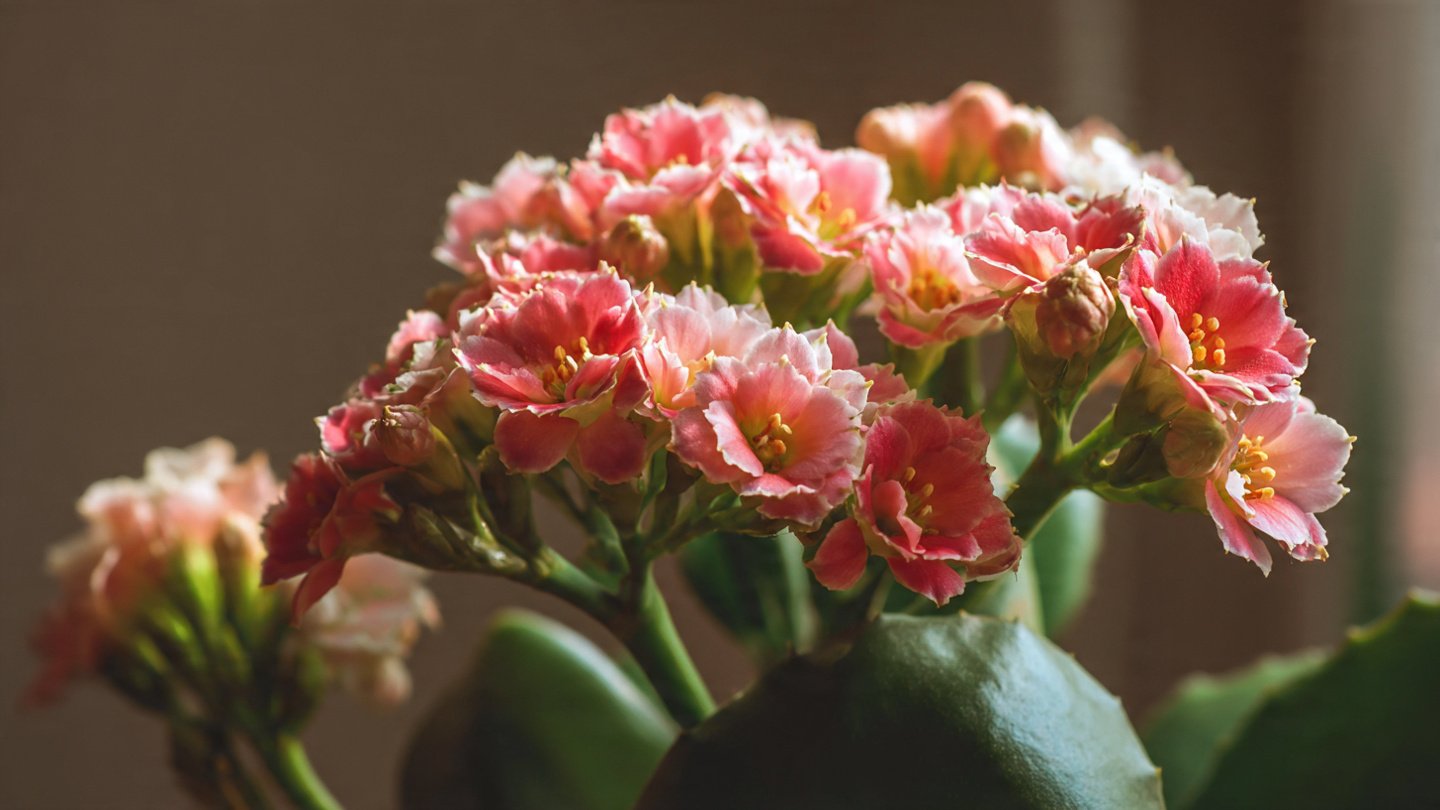
Kalanchoe flowers are a delightful way to bring color and vibrancy into your indoor space. Known for their beautiful clusters of blooms and thick, succulent leaves, Kalanchoes are not only stunning but also relatively easy to care for. This article explores the best practices for growing Kalanchoe flowers indoors, ensuring they flourish and continue to bloom for you year-round.
Understanding Kalanchoe
Kalanchoe is a genus of succulent plants belonging to the Crassulaceae family. Native to Madagascar, these plants are well adapted to survive in arid conditions, which makes them an excellent choice for indoor gardens. Common varieties include Kalanchoe blossfeldiana, known for its showy flowers, and Kalanchoe tomentosa, often referred to as “panda plant.”
Latest Posts
- A Comprehensive Guide to Successfully Growing Grape Vines in Your Backyard for Beginners and Experts Alike
- Best Tips for Successful Mango Growth in Containers
- Discover the Simple Steps for Successfully Growing Coriander in a Pot
- Discovering the Ultimate Guide to Growing African Violets from Leaf Cuttings
- Simple Techniques for Successfully Growing Seedless Grapes in Home Gardens
- Ultimate Guide to Growing Balsam Plants Naturally for Vibrant Blooms
- Discover the Secrets to Growing Lush Leek Leaves with Simple Hacks for Beginners
- How to Successfully Cultivate Sweet Cherries in the Unique Climate of Canada
- The Ultimate Guide to Successfully Growing Beautiful Succulent Garden Plants at Home
- A Comprehensive Guide to Growing Dhania from Seeds for Beginners
Why Grow Kalanchoe Indoors?
- Low Maintenance: Kalanchoes require minimal care compared to many indoor plants.
- Diverse Blooms: They produce vibrant flowers in various colors, including red, orange, yellow, pink, and white.
- Air Purification: Like many succulents, Kalanchoes help purify the air by filtering toxins and releasing oxygen.
Choosing the Right Variety
Before you start, select a variety that suits your indoor environment and aesthetic preferences. Kalanchoe blossfeldiana is specifically popular for its long-lasting blooms. If you prefer a smaller variation, Kalanchoe tomentosa offers charming fuzzy leaves.
Factors to Consider:
- Flowering Time: Some varieties bloom for longer periods. Research flowering cycles to choose according to your preferences.
- Size: Smaller varieties require less space and can fit on windowsills or desks, ideal for compact living spaces.
Ideal Growing Conditions
Light Requirements

Kalanchoes thrive in bright, indirect light. They can tolerate direct sunlight, but prolonged exposure can scorch their leaves.
- Location: Place your Kalanchoe near a south-facing window for optimal light. If that isn’t possible, east or west-facing windows work as well.
- Supplemental Light: If natural light is insufficient, consider using grow lights for 12-14 hours a day, especially during short winter days.
Temperature and Humidity
These plants prefer a temperature range of 60°F to 85°F (15°C to 29°C). They are not frost-tolerant, so avoid exposing them to cold drafts.
- Humidity: Kalanchoes prefer dry conditions, typical of indoor environments. Aim for a humidity level of around 30-50%.
Soil and Potting Requirements
Choose a well-draining soil mix formulated for succulents and cacti. This helps prevent root rot and ensures rapid drainage.
- Pot Choice: A pot with drainage holes is essential. Terra-cotta pots are an excellent choice as they absorb moisture and help the soil dry out quicker.
Watering Guidelines
Overwatering is the most common mistake when caring for Kalanchoes. They prefer the soil to dry out between watering.
- Frequency: Water every 2-3 weeks in the growing season (spring and summer) and reduce to once a month in the dormant period (fall and winter).
- Method: Water thoroughly until the excess drains from the bottom, then allow the soil to dry out completely before the next watering.

Fertilizing for Robust Blooms
Proper fertilization is crucial to encourage blooming and healthy plant growth.
- Type of Fertilizer: Use a balanced, water-soluble fertilizer at half strength.
- Frequency: Feed your Kalanchoe every 4-6 weeks during the growing season. There’s no need for fertilization during the dormant period.
Pruning and Deadheading
To encourage more blooms and maintain the plant’s overall health, regular pruning and deadheading are necessary.
- Deadheading: Remove spent flowers to redirect energy to new growth and blooms.
- Pruning: Trim any leggy or damaged stems to promote bushy growth and a fuller appearance.
Pests and Problems
Kalanchoes are generally resilient, but they can be susceptible to pests like mealybugs, aphids, and spider mites.
- Identification: Look for sticky residue, webbing, or visible bugs on leaves.
- Treatment: Treat infestations with insecticidal soap or neem oil. Always inspect new plants before introducing them to your indoor garden.
Common Issues

- Leaves Turning Yellow: This might be due to overwatering or poor drainage.
- Leggy Growth: A lack of light can cause Kalanchoes to stretch. Move them to a brighter location.
- Fading Blooms: Aging flowers can lead to less vibrant blooms. Regular deadheading can improve this.
Tips for Encouraging Year-Round Blooms
To achieve long-lasting blooms, consider the following strategies:
Seasonal Adjustments
- Light: Adjust exposure according to seasonal changes. As days lengthen in spring, increase light exposure.
- Temperature Control: Make sure they’re not exposed to cold drafts or heat sources.
Forcing Blooms
To encourage flowering, implement a dark period. Kalanchoes require about 14-16 hours of darkness to trigger blooms.
- Timing: Begin this process in late fall or early winter.
- Duration: Continue the dark period for approximately 6 weeks.
Repotting Kalanchoe
Kalanchoes should be repotted every 2-3 years to refresh soil and allow for growth.
- Signs: If roots are growing out of the pot or the growth has stunted, it’s time to repot.
- Method: Gently remove the plant from its old pot, shake off excess soil, and place it in a slightly larger pot with fresh soil.
Additional Care Tips
- Rotation: Rotate your plant every few weeks to ensure even light exposure.
- Cleaning: Dust the leaves occasionally with a damp cloth to improve photosynthesis.
Conclusion
Growing Kalanchoe flowers indoors can be a rewarding experience, transforming your living spaces with beautiful blooms year-round. By providing the right conditions, practicing proper watering and fertilization, and addressing any potential issues quickly, you can ensure that your Kalanchoe flourishes and continues to bring joy into your home.
FAQs
1. How often should I water my Kalanchoe?
- Water every 2-3 weeks during the growing season and once a month during winter. Ensure the soil dries out between watering.
2. What type of fertilizer is best for Kalanchoe?
- Use a balanced, water-soluble fertilizer at half strength every 4-6 weeks during the growing season.
3. Can I propagate Kalanchoe?

- Yes! Kalanchoes can be propagated through leaf cuttings or offsets. Allow cuttings to callous before planting them in soil.
4. Is Kalanchoe poisonous to pets?
- Kalanchoe is considered toxic to dogs and cats. Keep them out of reach of pets and children.
5. How can I encourage my Kalanchoe to bloom?
- Provide bright, indirect light, prune dead flowers, and create a darkness period of 14-16 hours daily for about 6 weeks.
6. What should I do if my Kalanchoe is losing leaves?
- Check for signs of overwatering or pest infestations, as these are common causes of leaf drop.
Caring for Kalanchoe flowers becomes an enriching and fulfilling part of indoor gardening, adding beauty and life to any setting. Embrace the challenge, and enjoy stunning blooms in your home all year round!