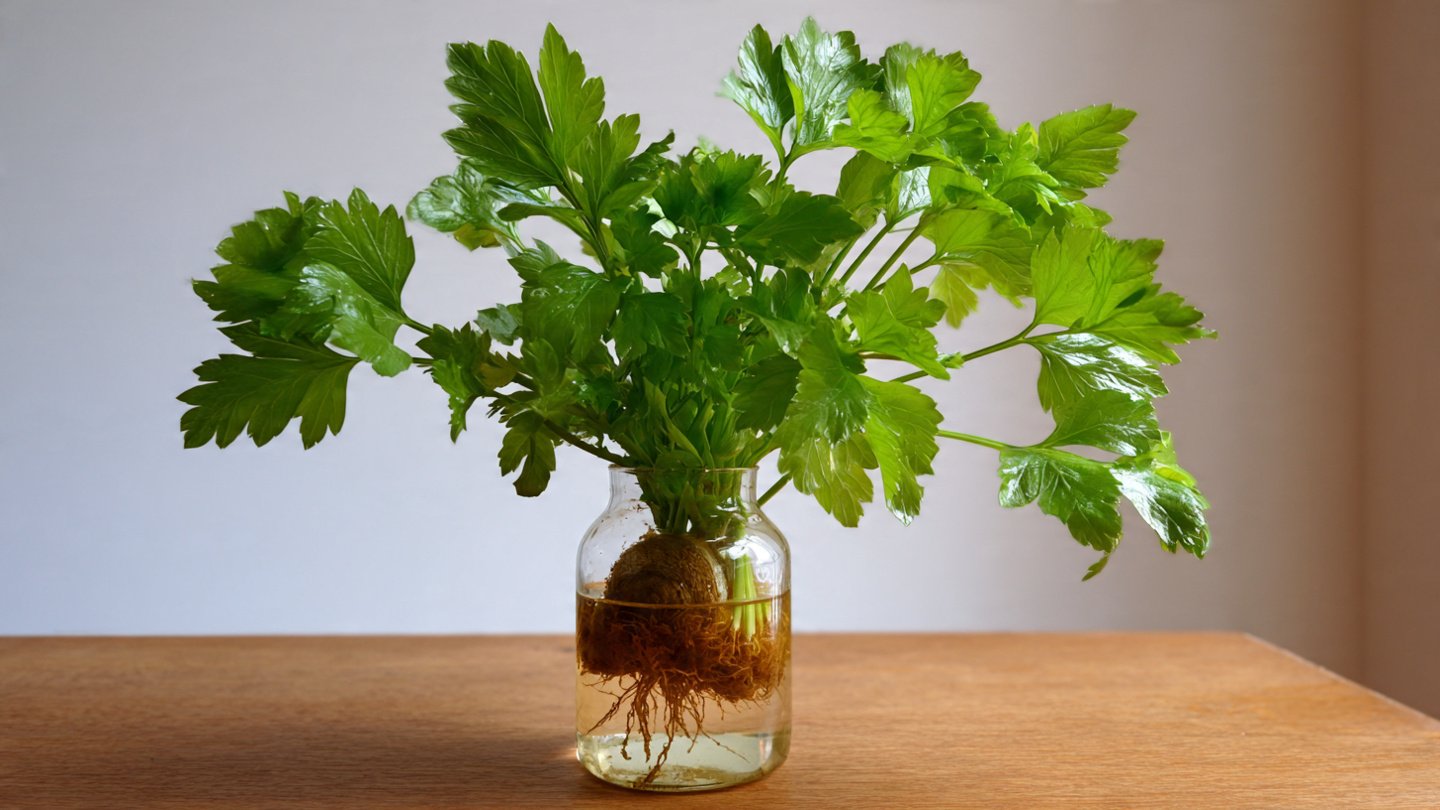
Growing your own herbs and vegetables at home can be an incredibly rewarding experience. Not only does it allow you to enjoy fresh produce, but it also gives you a sense of accomplishment and a connection to your food. One particularly easy and rewarding plant to grow is celery. You might be surprised to learn that you can regrow celery leaves from the leftover base of a store-bought celery stalk. This method is not only simple but also an excellent way to reduce waste.
The Benefits of Growing Celery Leaves
Celery is a versatile vegetable that can be used in salads, soups, and many other dishes. The fresh leaves can add a crunchy texture and a burst of flavor. Additionally, growing celery has other benefits:
Latest Posts
- A Comprehensive Guide to Successfully Growing Grape Vines in Your Backyard for Beginners and Experts Alike
- Best Tips for Successful Mango Growth in Containers
- Discover the Simple Steps for Successfully Growing Coriander in a Pot
- Discovering the Ultimate Guide to Growing African Violets from Leaf Cuttings
- Simple Techniques for Successfully Growing Seedless Grapes in Home Gardens
- Ultimate Guide to Growing Balsam Plants Naturally for Vibrant Blooms
- Discover the Secrets to Growing Lush Leek Leaves with Simple Hacks for Beginners
- How to Successfully Cultivate Sweet Cherries in the Unique Climate of Canada
- The Ultimate Guide to Successfully Growing Beautiful Succulent Garden Plants at Home
- A Comprehensive Guide to Growing Dhania from Seeds for Beginners
- Sustainability: Using the base of a celery stalk eliminates food waste.
- Cost-Effective: Growing your own food can reduce grocery bills.
- Health Benefits: Fresh celery leaves are rich in vitamins and minerals, including vitamin K, vitamin C, and potassium.
- Convenience: Having fresh herbs at your fingertips enhances your cooking without requiring a trip to the store.
What You Need to Get Started
Supplies
- Celery Base: Look for a fresh celery stalk with the base intact.
- Container: A shallow dish or bowl works well; ensure it has enough room for the base to sit comfortably.
- Water: Tap water is fine, but filtered water is ideal for better results.
- A Sunny Location: Celery loves sunlight, so a windowsill or a spot that receives a good amount of natural light is essential.
- Soil (Optional): If you want to transfer your celery to soil later, have potting soil ready.

Steps to Grow Celery Leaves from the Base
Step 1: Prepare the Celery Base
-
Cut the Celery: After using celery for cooking, leave about 2-3 inches of the base intact. Avoid cutting too close to the bottom, as you need enough to encourage new growth.
-
Rinse: Clean the base thoroughly under running water to remove dirt or residual pesticides.
Step 2: Initial Water Soaking
-
Fill the Container: Pour an inch or two of water into your shallow dish.
-
Place the Base: Set the celery base upright in the water. Ensure that the cut end is submerged, but the leaves remain above water.
-
Location: Place the container on a windowsill or in a well-lit area. Celery requires at least 6 hours of direct sunlight daily.

Step 3: Monitor and Change Water
-
Daily Check: Check the water level daily, ensuring that the base remains submerged.
-
Change Water Weekly: Replace the water every week to prevent stagnation and growth of bacteria. You may also want to rinse the base to keep it clean.
Step 4: Watch for New Growth
In about a week, you should start to notice new leaves sprouting from the center of the celery base. They may not look like much at first, but don’t be discouraged; this is a sign that your celery is thriving.
Step 5: Option to Transfer to Soil
Once the new growth reaches about 3-4 inches in height, you can choose to plant your celery in soil. Here’s how:
-
Prepare Your Pot: Select a pot that is at least 6 inches deep and fill it with potting soil.
-
Planting: Make a small hole in the center of the soil, place the celery base in it, and cover it lightly with soil.
-
Watering: Water the soil lightly to settle it around the base and keep it consistently moist (not soggy).
Step 6: Ongoing Care
-
Sunlight: Ensure your potted celery plant continues to receive plenty of sunlight.
-
Watering: Keep the soil moist but avoid over-watering. The top inch of soil should dry slightly between waterings.
-
Fertilizing: After a few weeks, you can fertilize every month with a balanced organic fertilizer to promote growth.
-
Pruning: You can regularly harvest the outer leaves while allowing the inner leaves to grow. This encourages more robust plant growth.
Challenges You May Face

1. Wilting Leaves
If the leaves start wilting, it could indicate that the plant is not receiving enough water or sunlight. Adjust your watering schedule or relocate the plant to a brighter area.
2. Pests
Keep an eye out for any pests, such as aphids or spider mites. You can wash them off with a gentle spray of water or use a mild insecticidal soap.
3. Diseases
Yellowing leaves can indicate over-watering or a nutrient deficiency. Assess your plant care and make necessary adjustments.
FAQs
Can you regrow celery in water forever?
Yes, you can regrow celery in water, but it will eventually become leggy and may not produce as much as when grown in soil. For the best harvest, transferring your celery to soil is recommended.
How long does it take to grow celery leaves?
From the time you start the regrowing process, you can expect to see new leaves sprouting in about a week. If transferred to soil and properly cared for, you can enjoy a good crop in about a month.

Why are my celery leaves turning yellow?
Yellowing leaves can indicate over-watering or nutrient deficiency. Check your watering schedule and consider feeding your celery with a balanced fertilizer if grown in soil.
Can I grow celery leaves indoors?
Absolutely! Celery can grow indoors as long as it receives enough sunlight (at least 6 hours a day) and consistent watering.
How often should I water my celery?
Keep the water level consistent for a water-grown celery base. For potted celery, water when the top inch of soil feels dry, ensuring it remains moist but not soggy.
Can I use the leaves in cooking?
Yes! Celery leaves are edible and can be used in salads, soups, and garnishes. They are often more flavorful than the stalks.
Conclusion
Growing celery leaves from the base at home is not only an easy and sustainable gardening project but also an excellent way to add fresh flavors to your dishes. While patience is required, the satisfaction of nurturing your own herbs makes the journey worthwhile. Whether you choose to keep your celery in water or transition it to soil, the benefits of growing your own food can lead to healthier meals and an enriched culinary experience. Enjoy your gardening!