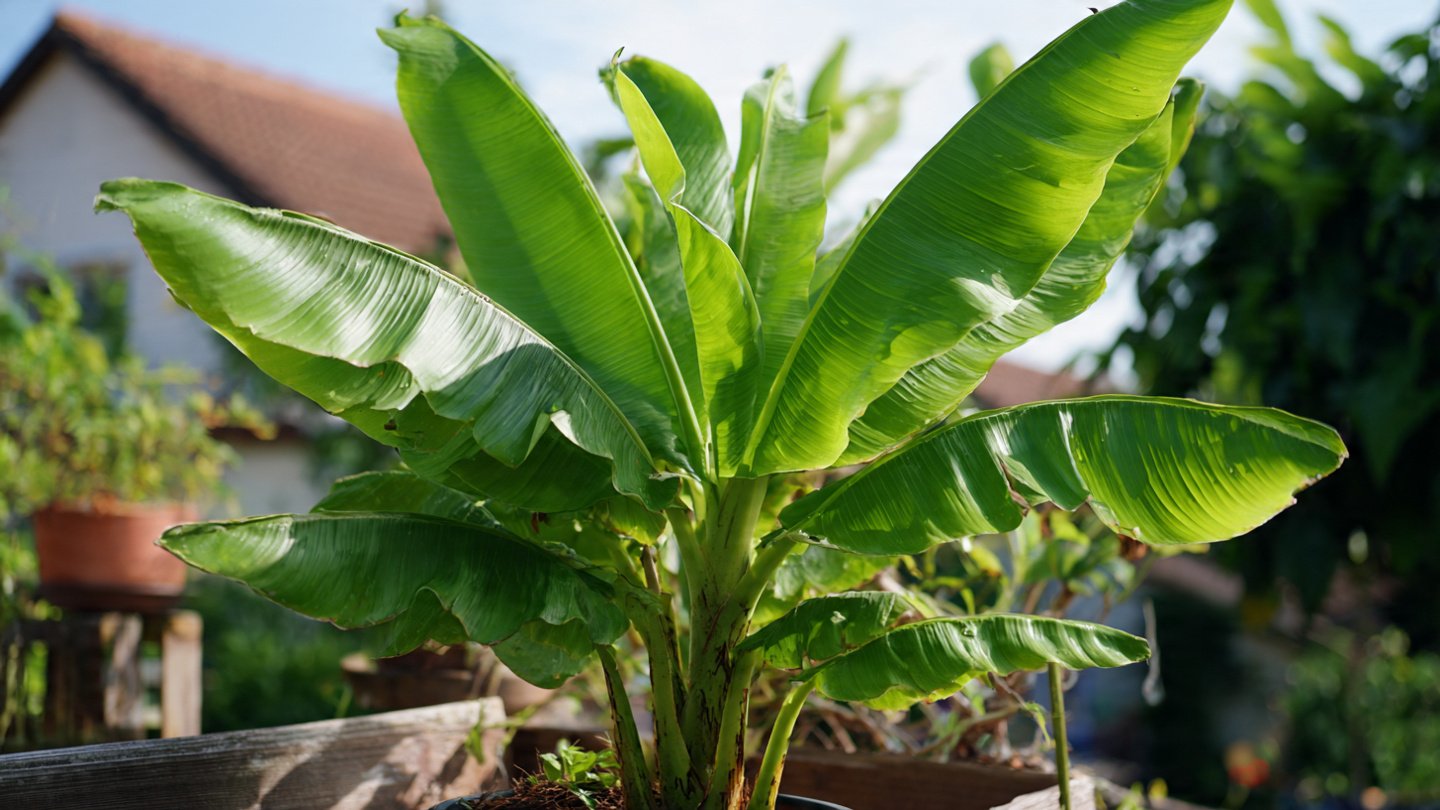
Bananas are one of the most popular fruits worldwide, not just for their taste, but also for their nutritional benefits. Growing a banana plant from a sucker is an excellent way to cultivate this tropical beauty in your home garden. Not only is it rewarding, but it can also be a fun project for both novice and experienced gardeners. This article will guide you through the steps to successfully grow a banana plant from a sucker, ensuring you enjoy healthy fruits right from your backyard.
Understanding Banana Plants and Suckers
What are Banana Plants?
Latest Posts
- A Comprehensive Guide to Successfully Growing Grape Vines in Your Backyard for Beginners and Experts Alike
- Best Tips for Successful Mango Growth in Containers
- Discover the Simple Steps for Successfully Growing Coriander in a Pot
- Discovering the Ultimate Guide to Growing African Violets from Leaf Cuttings
- Simple Techniques for Successfully Growing Seedless Grapes in Home Gardens
- Ultimate Guide to Growing Balsam Plants Naturally for Vibrant Blooms
- Discover the Secrets to Growing Lush Leek Leaves with Simple Hacks for Beginners
- How to Successfully Cultivate Sweet Cherries in the Unique Climate of Canada
- The Ultimate Guide to Successfully Growing Beautiful Succulent Garden Plants at Home
- A Comprehensive Guide to Growing Dhania from Seeds for Beginners
Banana plants (Musa spp.) are large herbs characterized by their broad leaves and tall stems. They are classified as “herbaceous,” as they don’t have a woody trunk. While banana plants are often associated with tropical climates, many varieties can thrive in subtropical areas as well. They require warmth, humidity, and plenty of sunlight to grow effectively.
What is a Sucker?
A sucker is a young shoot that grows from the base of the banana plant. These can be found close to the mother plant and are critical for propagation. Suckers can be classified into three types:
-
Water Suckers: These grow straight up and have thin, elongated stems. They are less ideal for transplanting as they may lack proper nutrient reserves.
-
Sword Suckers: These are thicker and shorter than water suckers, with a more developed root system. Sword suckers are generally the best choice for planting as they are healthier and more robust.

-
Rhizome Suckers: These suckers emerge from the underground rhizome and can be strong candidates for propagation.
Step-by-Step Guide to Growing a Banana Plant from a Sucker
Step 1: Selecting the Right Sucker
Choosing the right sucker is crucial for successful growth. Look for a sword sucker with a stem thickness of at least 1 inch and a healthy root system. The sucker should ideally be about three to four feet tall. Avoid water suckers, as they are less likely to thrive.
Step 2: Preparing for Transplanting
-
Timing: The best time to transplant a banana sucker is during the early spring or the rainy season, as these conditions encourage faster growth.
-
Location: Select a sunny spot in your garden with well-draining soil. Banana plants prefer loamy or sandy soil that retains moisture but doesn’t become waterlogged.
-
Soil Preparation: Enrich the planting site with organic matter such as compost or well-rotted manure. This will improve soil fertility and drainage.
Step 3: Separating the Sucker
-
Cutting the Sucker: Use a sharp spade to dig around the sucker, ensuring you get as much of the root system as possible. Cut the sucker from the parent plant, taking care not to damage the roots.
-
Trimming: Trim the leaves of the sucker to about half their size. This reduces water loss and helps the sucker focus its energy on establishing its root system.
Step 4: Planting the Sucker
-
Digging the Hole: Dig a hole about twice as wide and deep as the root ball of the sucker. This will give the roots plenty of room to spread.
-
Planting: Place the sucker in the center of the hole, ensuring that the top of the root ball is level with the soil surface. Fill in the hole with soil, gently patting it down to eliminate air pockets.
-
Watering: Water the sucker thoroughly after planting to help settle the soil and reduce transplant shock.
Step 5: Caring for the Banana Plant
-
Watering: Keep the soil consistently moist but not soggy. Banana plants require about 1-2 inches of water per week, especially during the growing season.
-
Mulching: Apply a layer of mulch around the base of the plant to retain soil moisture and suppress weeds. Organic mulch like straw or shredded leaves works best.
-
Fertilization: Fertilize every 6-8 weeks during the growing season with balanced fertilizer or organic options such as banana peels or compost. High potassium fertilizers can boost fruit production.
-
Pruning: Remove dead leaves and any water suckers that may appear to discourage competition for nutrients.
-
Pest Control: Keep an eye out for pests such as aphids, spider mites, and banana weevils. Organic insecticides or neem oil can be effective against most pests.
Step 6: Harvesting Bananas
The ripening process for bananas can take 9-12 months from the time of planting, depending on the variety and conditions. Bananas will change from green to yellow as they ripen. Harvest the fruit by cutting the entire flower stalk when the bananas have filled out and turned yellow. Allow them to ripen fully off the plant for the best flavor.
Frequently Asked Questions (FAQs)
1. How long does it take for a banana plant to bear fruit?
Typically, a banana plant will bear fruit 9-12 months after planting a sucker, depending on the variety and growing conditions.
2. Can I grow banana plants in pots?
Yes, banana plants can be grown in large pots, but they require ample sunlight and space for root growth. Use a well-draining potting mix and ensure your pot is at least 15-20 gallons in size.
3. What temperature is ideal for growing banana plants?
Banana plants thrive in temperatures between 75°F to 95°F (24°C to 35°C). If temperatures drop below 50°F (10°C), the plant may suffer.
4. Are banana plants susceptible to diseases?
Yes, banana plants can be affected by diseases such as Panama disease and Black Sigatoka. Good gardening practices, including site rotation and proper sanitation, can help prevent these issues.

5. Can I use kitchen scraps to fertilize my banana plant?
Absolutely! Banana peels are high in potassium and can be buried in the soil around the base of the plant for added nutrients.
6. How do I know when to harvest my bananas?
Harvest bananas when they have filled out and are starting to change color from green to a hint of yellow. It’s better to harvest a little early than too late, as they will continue to ripen off the plant.
7. What should I do if my banana plant isn’t growing?
If your banana plant appears stunted, check for signs of overwatering, nutrient deficiencies, or pest infestations. Ensure it’s getting enough sunlight and check soil drainage.
Conclusion
Growing bananas from suckers can be a gratifying endeavor for any gardener. From selecting the right sucker to nurturing it into a healthy fruit-bearing plant, each step is an opportunity to connect with nature. With the right care, you’ll soon enjoy the sweet rewards of your hard work, bringing a taste of the tropics to your own garden. Happy gardening!