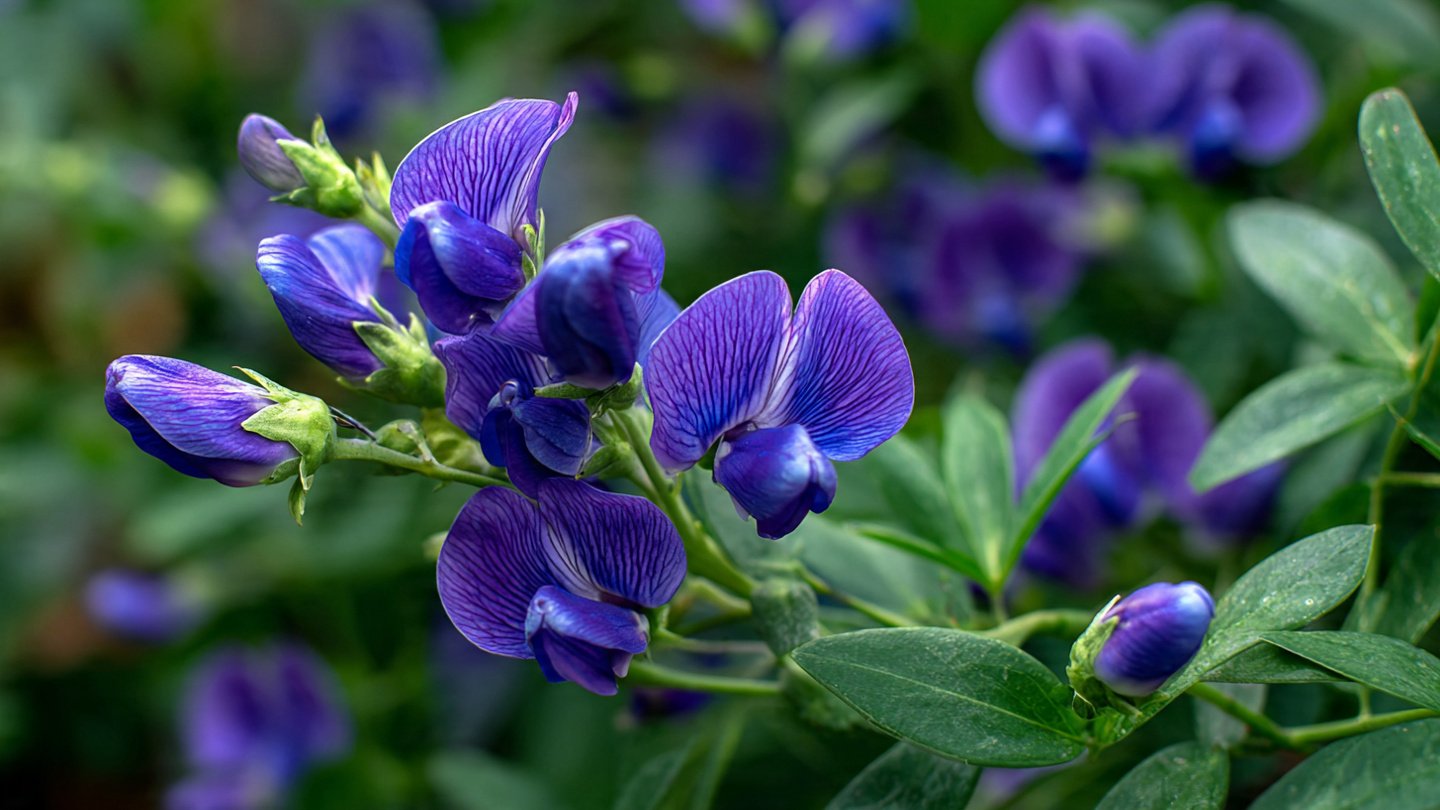
The Blue Pea, also known as Clitoria ternatea, is a stunning flowering plant renowned for its vibrant blue flowers. Commonly referred to as Aparajita or Butterfly Pea, this perennial vine is celebrated not just for its aesthetic appeal but also for its health benefits and culinary uses. Whether you are a novice gardener or an experienced horticulturist, growing Blue Pea in your garden can be an enriching experience. In this article, we will explore effective and sustainable methods to cultivate Blue Pea, along with answers to frequently asked questions.
Understanding Blue Pea
Before getting into the cultivation methods, it’s essential to understand what Blue Pea is. This tropical plant features striking blue flowers that can be used to create natural food coloring, herbal teas, and even hair products. Additionally, it has medicinal properties and is known for its antioxidant benefits.
Latest Posts
- A Comprehensive Guide to Successfully Growing Grape Vines in Your Backyard for Beginners and Experts Alike
- Best Tips for Successful Mango Growth in Containers
- Discover the Simple Steps for Successfully Growing Coriander in a Pot
- Discovering the Ultimate Guide to Growing African Violets from Leaf Cuttings
- Simple Techniques for Successfully Growing Seedless Grapes in Home Gardens
- Ultimate Guide to Growing Balsam Plants Naturally for Vibrant Blooms
- Discover the Secrets to Growing Lush Leek Leaves with Simple Hacks for Beginners
- How to Successfully Cultivate Sweet Cherries in the Unique Climate of Canada
- The Ultimate Guide to Successfully Growing Beautiful Succulent Garden Plants at Home
- A Comprehensive Guide to Growing Dhania from Seeds for Beginners
Benefits of Growing Blue Pea
- Aesthetic Appeal: The vivid blue flowers are a stunning addition to any garden.
- Natural Coloring Agent: The flowers can be used to tint food, beverages, and even fabrics.
- Health Benefits: Rich in antioxidants, Blue Pea is praised for its potential health benefits.
- Sustainable Gardening: Being a hardy plant, it requires minimal care and can enrich the soil with nitrogen.
Preparing the Soil
Choosing the Right Location
Blue Pea thrives in full sun to partial shade. Select a garden location that receives at least six hours of sunlight daily. The plant prefers well-drained soil rich in organic matter.
Soil Requirements
- pH Level: Aim for a pH between 6.0 and 7.0.
- Texture: Loamy soil is ideal, but it can also grow in sandy and clay soils provided they are well-drained.

Soil Preparation Steps
- Test the Soil: Conduct a soil test to determine pH and nutrient levels.
- Amend the Soil: Enrich the soil with organic compost, well-rotted manure, or leaf mold. This will not only improve soil fertility but also drainage.
- Tilling: Loosen the soil to a depth of at least 1 foot to facilitate root growth.
Propagation Methods
Seed Propagation
The most common way to grow Blue Pea is from seeds, which are relatively easy to obtain.
- Seed Selection: Choose high-quality, fresh seeds from a reliable source.
- Seed Preparation: Soak the seeds in water for 24 hours to enhance germination rates.
- Sowing: Plant seeds 1 inch deep and 2 to 3 feet apart. Ideal sowing time is at the beginning of the rainy season.
Transplanting Seedlings
If you prefer starting the plants indoors, you can sow seeds in seed trays and transplant them later.
- Seedling Care: Ensure the seedlings receive sufficient light and moisture.
- Transplanting: Once seedlings are about 4 inches tall and have at least two leaves, they can be moved to the garden.
Caring for Your Blue Pea Plants
Watering
- Frequency: Water the plants regularly during the growing season but avoid overwatering. Allow the top inch of soil to dry out in between watering.
- Method: Water at the base of the plant to prevent leaf diseases.
Fertilization
Blue Pea is a nitrogen-fixing plant, meaning it enriches the soil naturally. However, you can boost its growth:
- Organic Fertilizer: Use organic fertilizers rich in phosphorous and potassium every six to eight weeks.
- Top Dressing: Apply well-rotted compost around the base to provide additional nutrients.
Support Structures
As a climbing vine, Blue Pea requires support to grow vertically.
- Trellising: Install trellises or fences to encourage upward growth.
- Natural Supports: Use bamboo stakes or let it climb on existing structures.
Pest and Disease Management
Pest problems can occur, but they are generally minimal with Blue Pea due to its hardiness.
- Common Pests: Watch for aphids and caterpillars. Use neem oil or insecticidal soap for control.
- Diseases: Fungal diseases can occur in overly wet conditions. Ensure proper spacing for air circulation.
Harvesting Blue Pea
Flowers can be harvested regularly throughout the growing season.
Harvesting Tips
- Timing: Harvest flowers in the morning when they are fully opened for the best flavor and color.
- Method: Use scissors to cut the flowers, leaving a bit of stem attached.
- Storage: Store harvested flowers in a cool place and use them fresh for culinary purposes or drying.
Sustainable Practices for Blue Pea Gardening
To grow Blue Pea in a sustainable way, consider the following practices:
Companion Planting
Blue Pea can benefit from planting alongside various vegetables and herbs.
- Good Companions: It pairs well with tomatoes, peppers, and carrots, enhancing growth and reducing pests.
- Intercropping: Planting Blue Pea in alternate rows can improve crop diversity and resource utilization.
Rainwater Harvesting
Capture and utilize rainwater to reduce water usage. Install barrels or tanks to collect rainwater from downspouts.
Organic Garden Practices
- Natural Pest Control: Use beneficial insects like ladybugs to manage pests naturally.
- Mulching: Apply organic mulch to suppress weeds and retain soil moisture.
Conclusion
Growing Blue Pea Aparajita can be a rewarding endeavor that beautifies your garden while offering numerous benefits. With the tips provided, you can cultivate this remarkable plant sustainably and enjoy both its visual appeal and practical uses.
FAQs
1. Can Blue Pea be grown in pots?
Yes, Blue Pea can be grown in pots. Choose a large container with good drainage and support for the climbing vine.
2. How long does it take for Blue Pea to bloom?
Typically, Blue Pea plants will bloom within 60 to 90 days of planting.
3. Is Blue Pea edible?
Yes, Blue Pea flowers are edible. They can be used in teas, cocktails, and as a natural food coloring.
4. How often should I fertilize Blue Pea?
Fertilize every 6 to 8 weeks with a balanced organic fertilizer for optimal growth.
5. Is Blue Pea resistant to pests?
Blue Pea is relatively pest-resistant, although occasional pests like aphids may appear. Regular monitoring and organic controls can minimize issues.
6. Can Blue Pea grow in shaded areas?
Blue Pea prefers full sun but can tolerate partial shade. However, it may not produce as many flowers in low-light conditions.
7. How do I prevent fungal diseases in Blue Pea?
Avoid overhead watering and ensure good airflow around the plants. Proper spacing and timely removal of affected foliage can also help.
8. Can I propagate Blue Pea through cuttings?
While seed propagation is more common, you can try taking cuttings, although success rates may vary.
By following these guidelines, you can cultivate Blue Pea Aparajita successfully while contributing to a sustainable gardening practice. Happy gardening!